People complain, but they would rather create workarounds than change a working system.
We as designers can rethink the whole cycle.
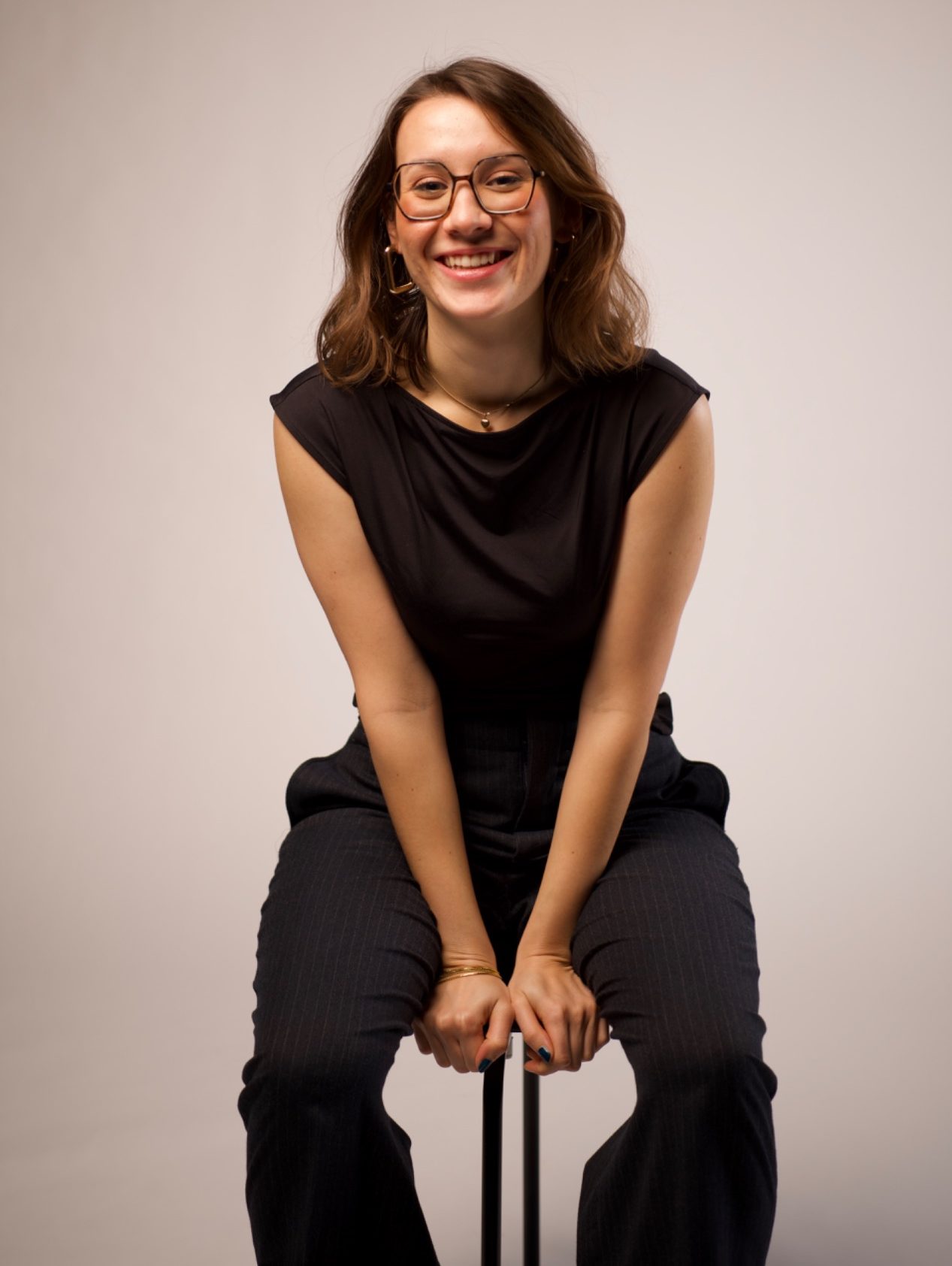
PHILOSOPHY
We should actively listen to users’ needs to actually build what’s missing.
If our work is meant to last, we have to design with modern technology and create cycles.
Things should come apart as easily as they come together. Everything else is waste on a delay.
I want to be part of teams that create the best products for our future. I would be delighted to work with you if we share the same values.
AV PORTFOLIO
PROJECTS
01 POLYMOTION
Suitcase printed from post-consumer plastic
02 ONDELLE
3D Veneer Table
03 PRECARE
A portable kit for early detection
04 PALO
Rollable Table
05 TIVO
Detachable Series
06 BELAIR
A balcony you don’t have to drill into
07 ONCE
Medical Documentation Device
08 ELEVAIT
Access rights for construction
09 MODERN FAIRYTALES
Critical Stroytelling
10 KITSCH
Video Essay
PROJECT 1
01
POLYMOTION
3D PRINTED SUITCASE
10/2025 - 03/2026, Solo Project
INTRO
A professor at the Fraunhofer Institute put me in touch with RMIT’s Tectonic Formation Lab in Melbourne, where I interned for six months.
Next to the lab’s projects, I wanted one product of my own, from first idea to working prototype. I chose a suitcase because mine annoyed me.
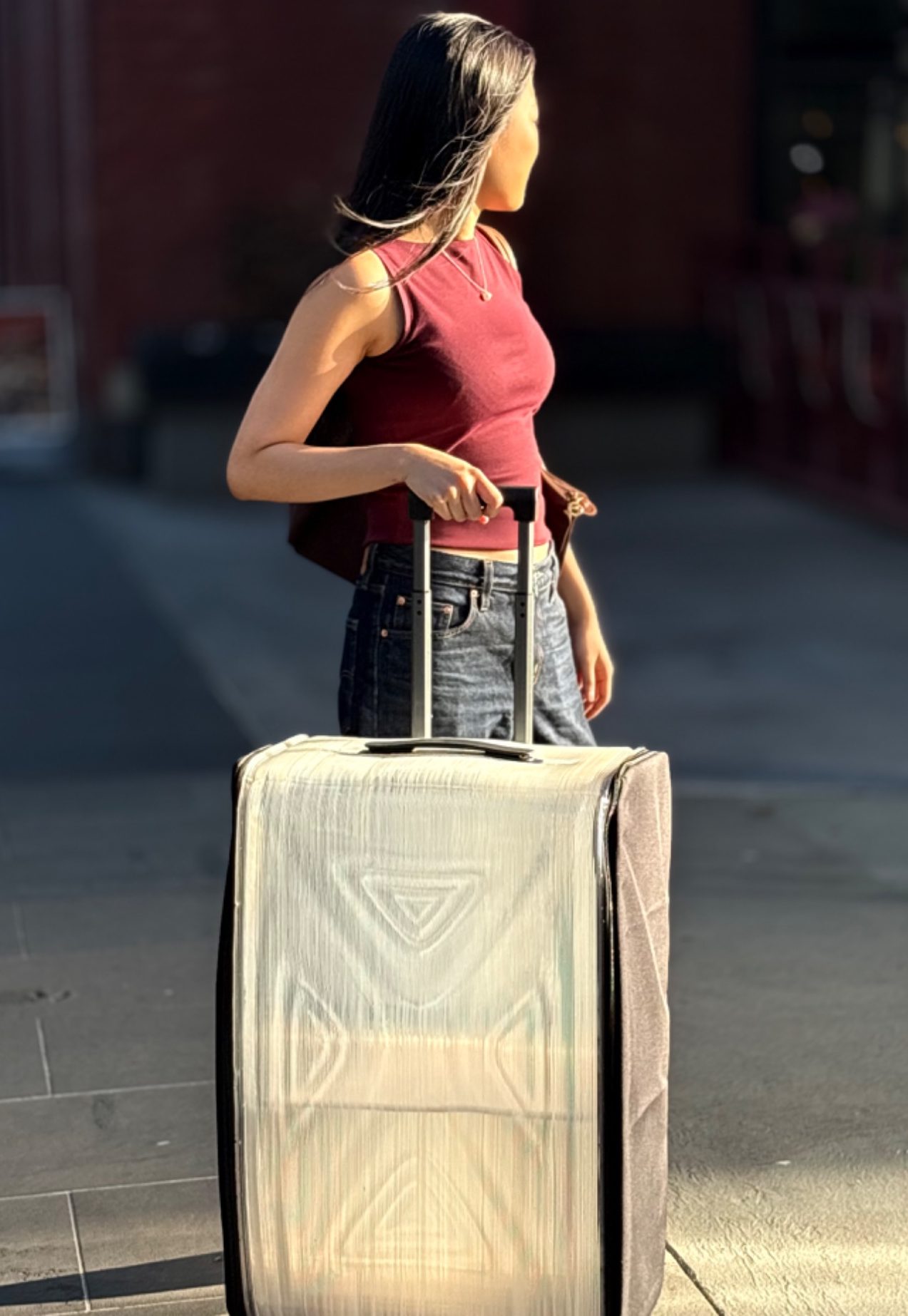
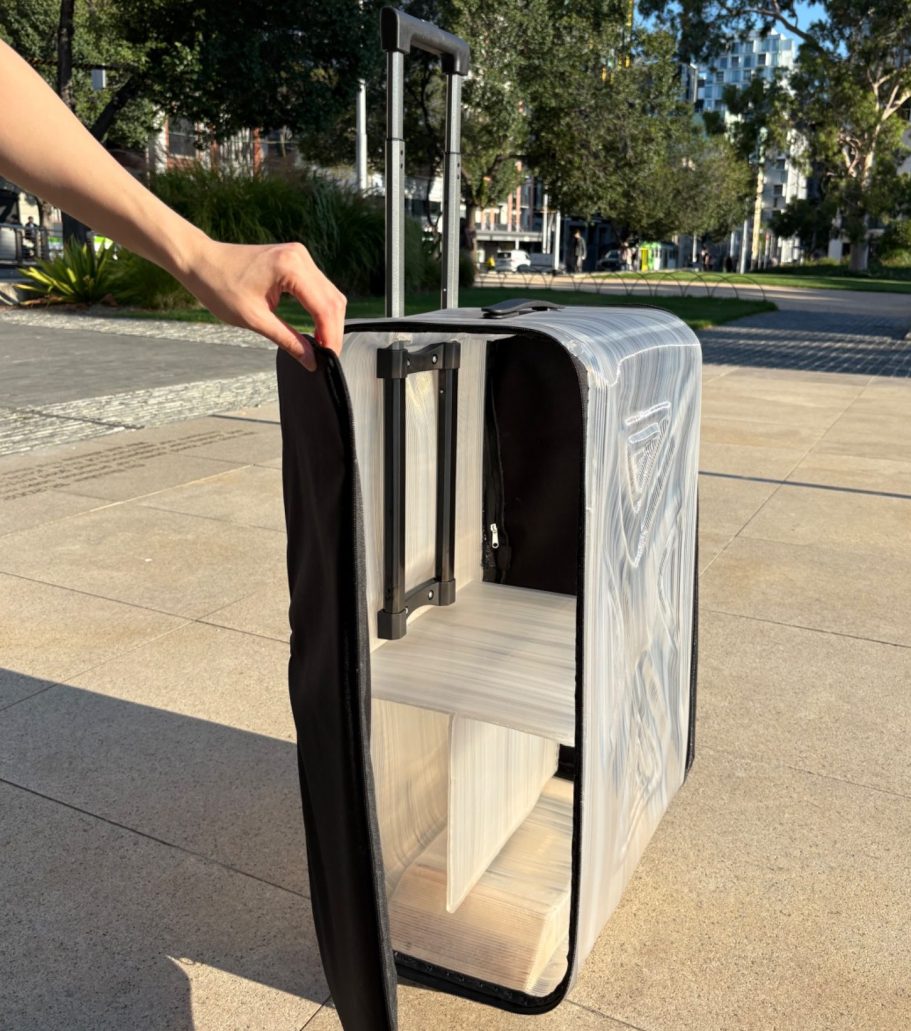
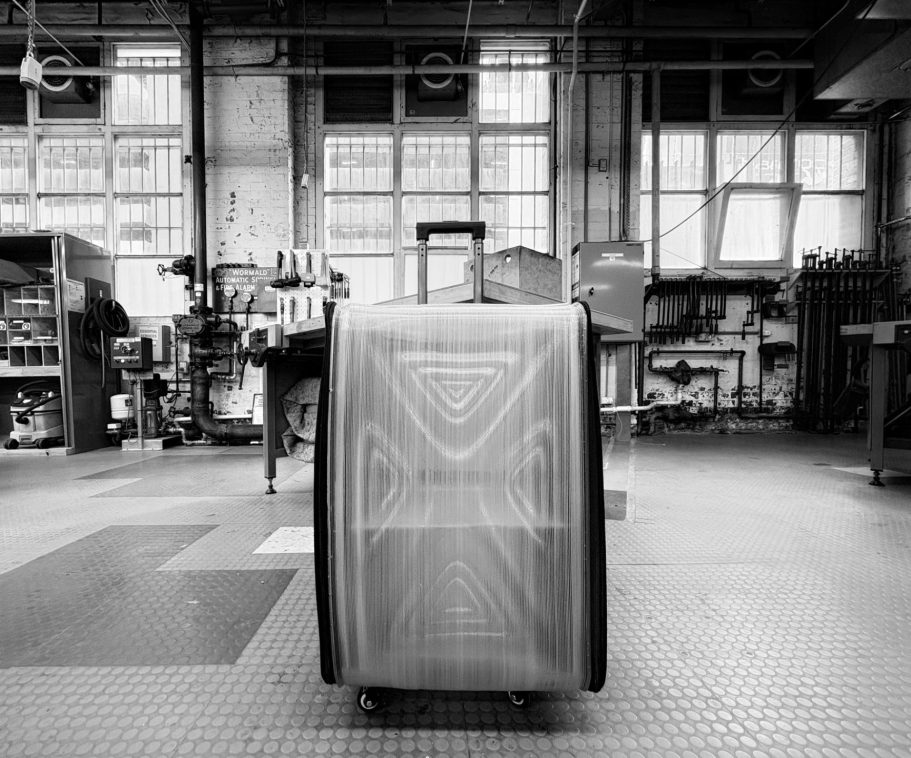
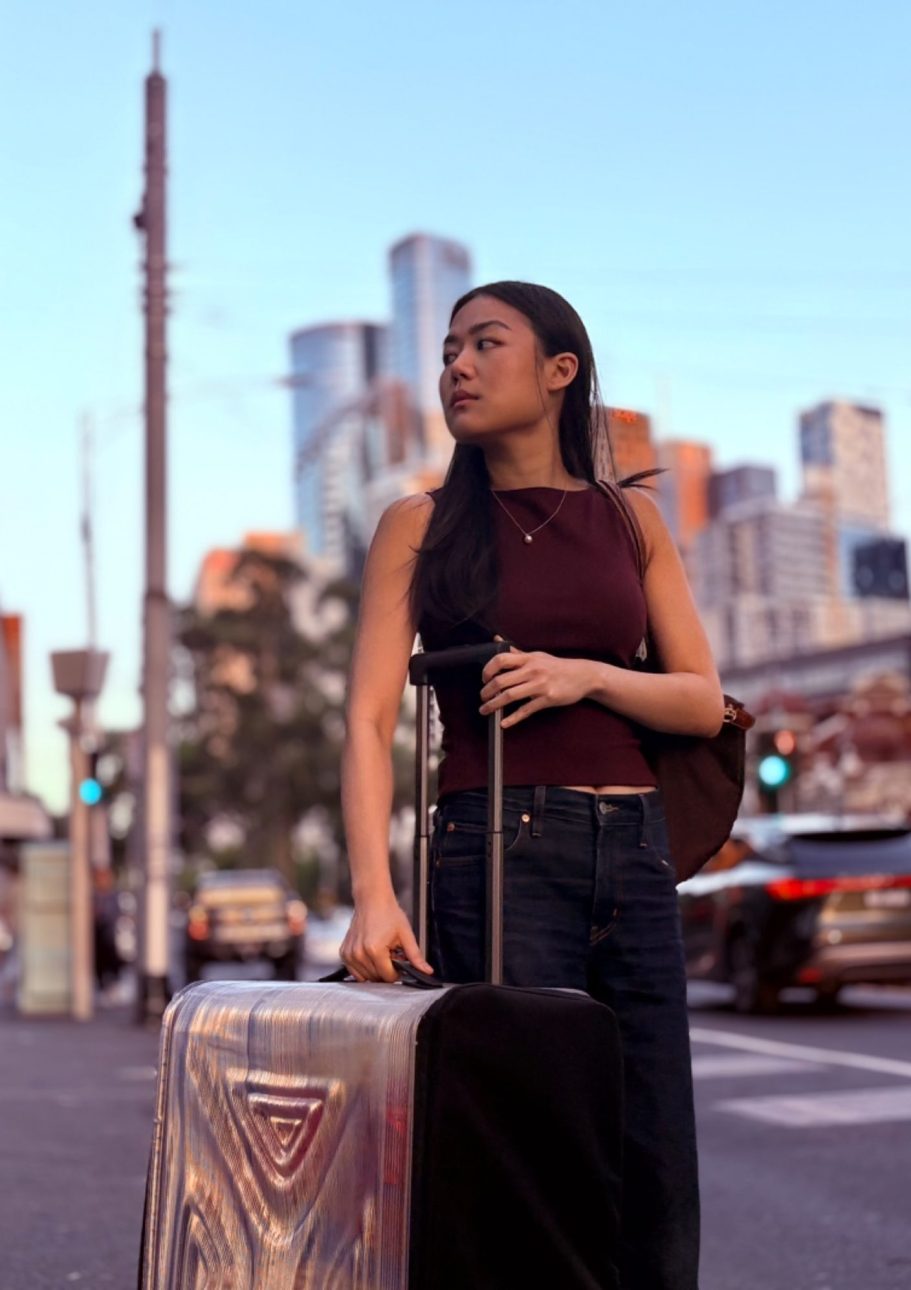
POLYMOTION is a 70-litre suitcase, its shell robot-extruded from 100% recycled PETG.
SKETCHES
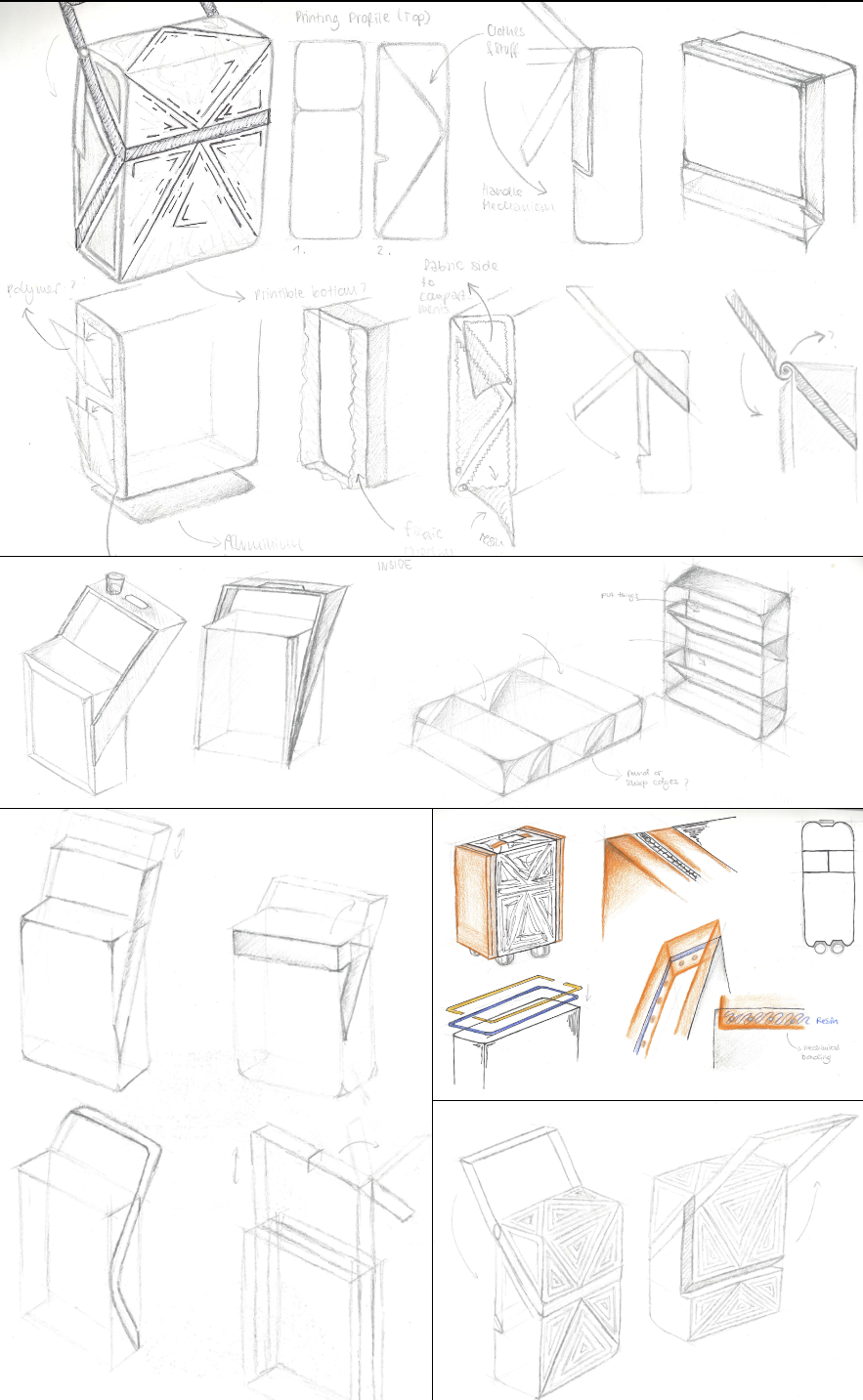
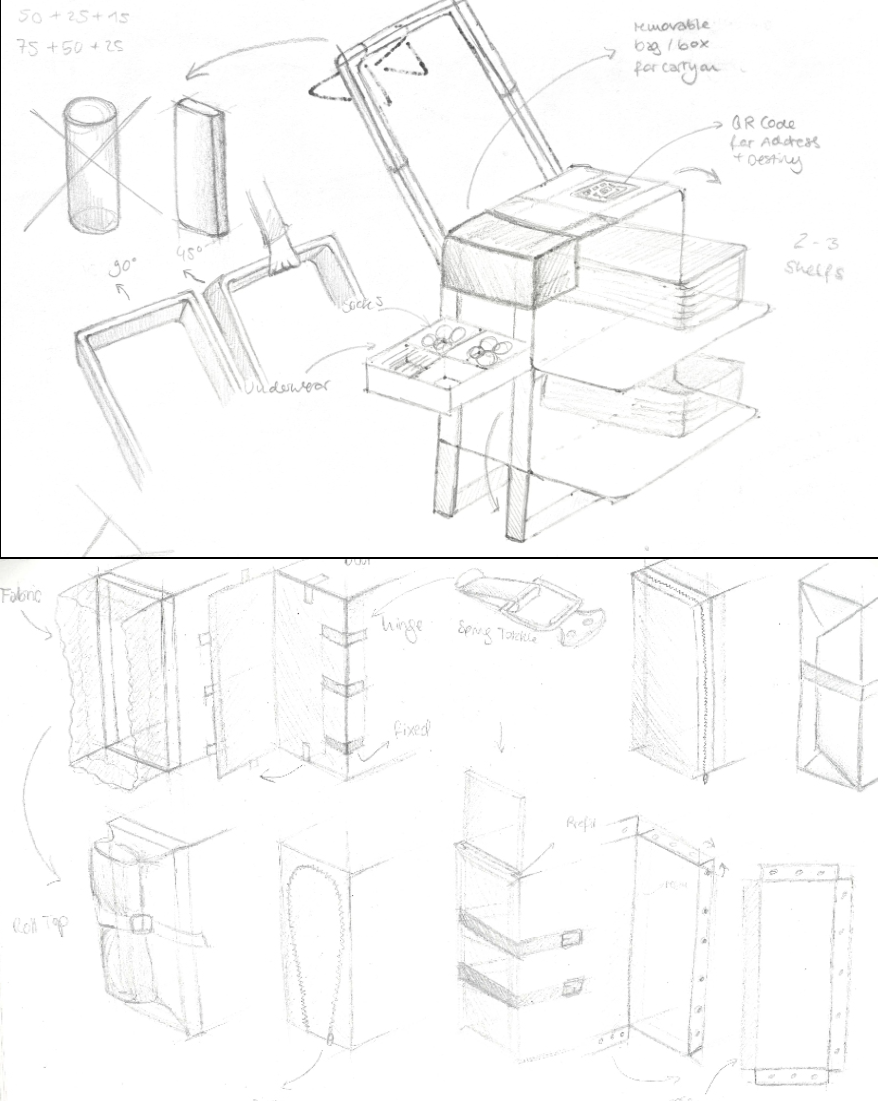
Several directions preceded this one: inflatable modules, a shelf rack so you never unpack, an algorithmically shaped shell, a one-kilo Dyneema bag. Dyneema lost on cost and bonding. Resin barely adheres to it. Never unpacking made it into the final case, but other properties took priority.
3D PRINT
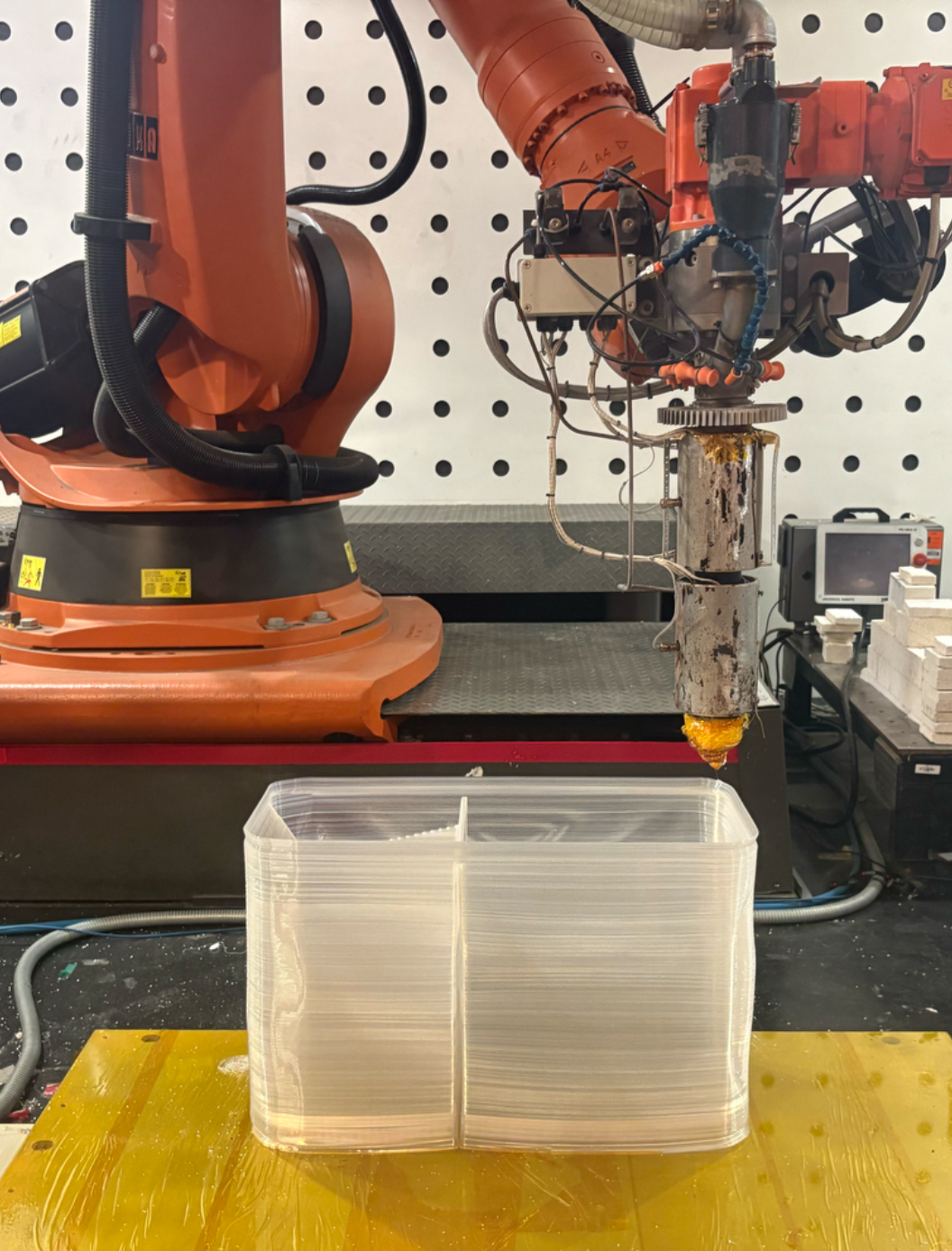
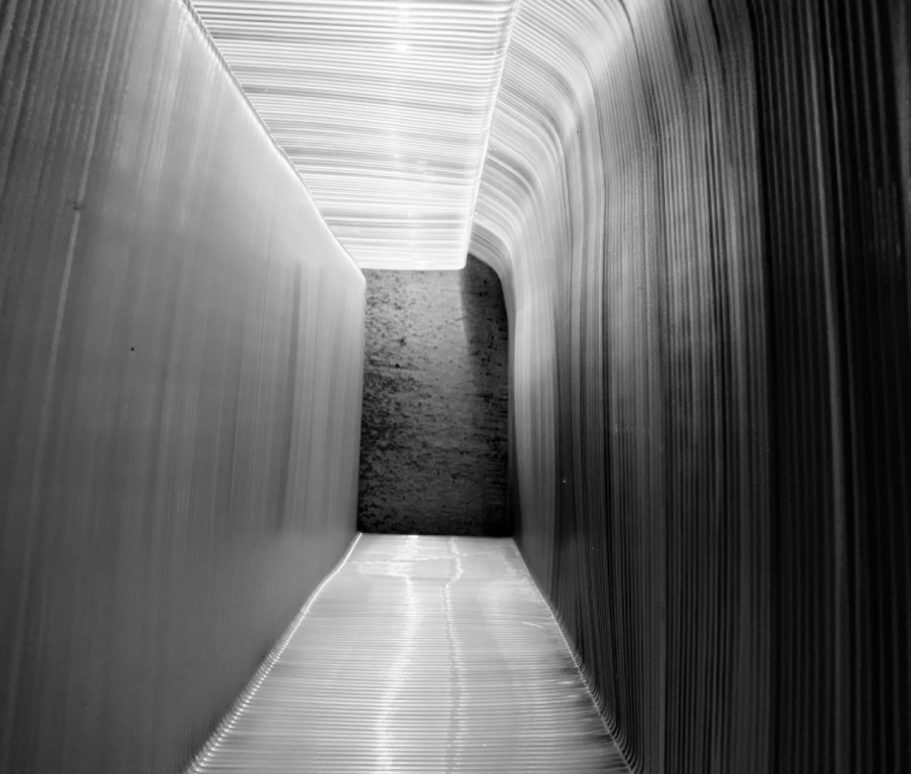
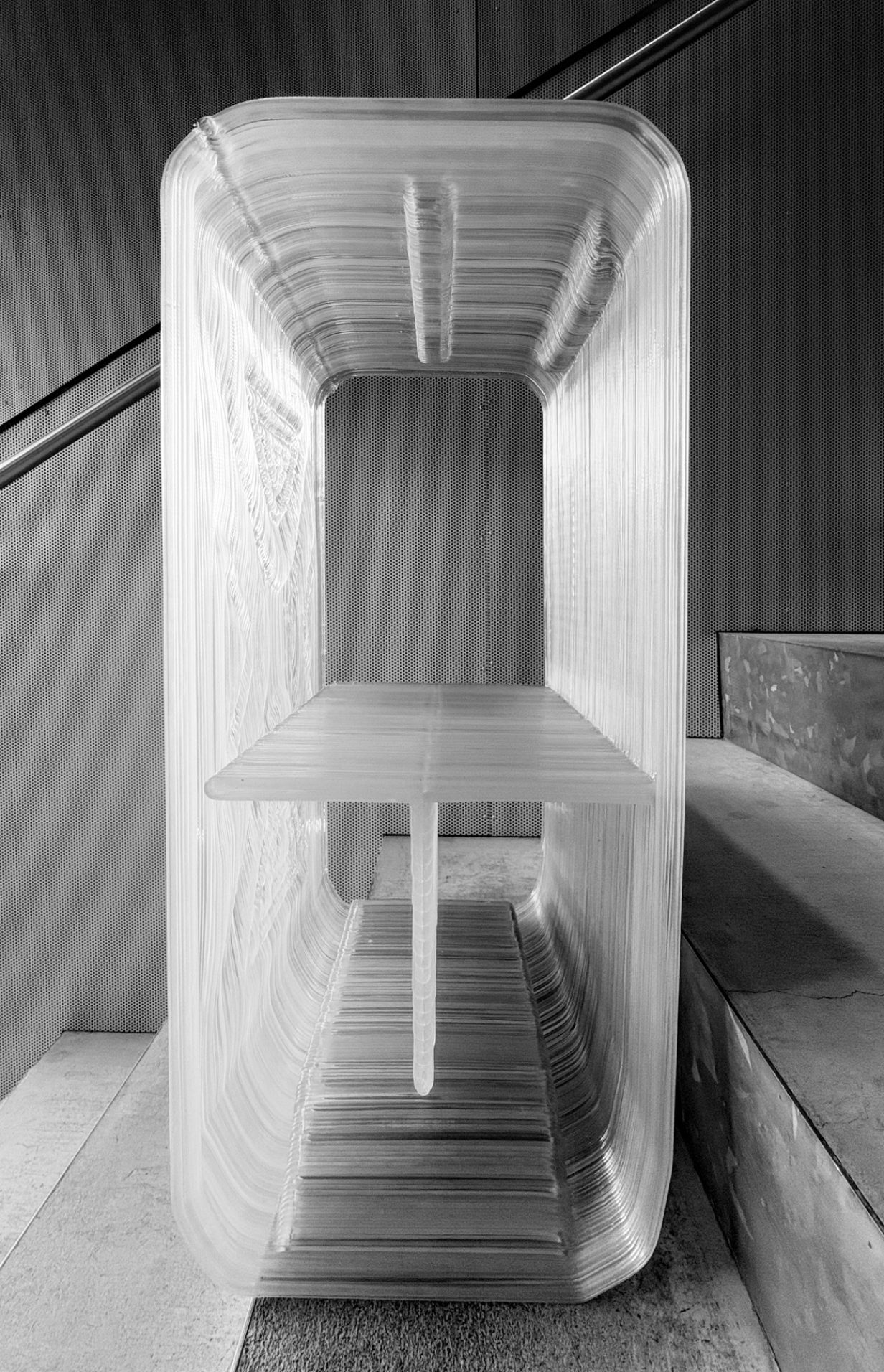
The shell is 3 to 4 mm of extruded polymer. The 0°/90° direction carries bending, the ±45° absorbs the shear and torsion of being dropped and tipped.
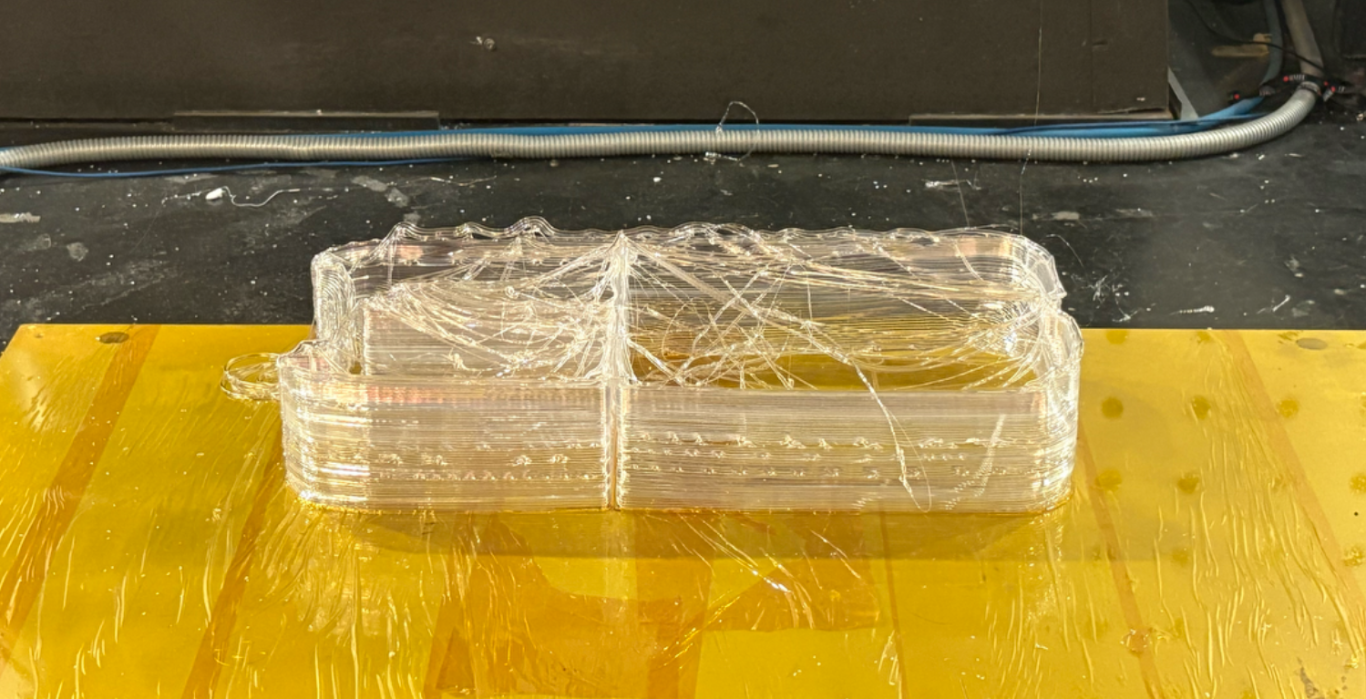
Every print, the test pieces included, was made from the lab’s own failed prints, regranulated.
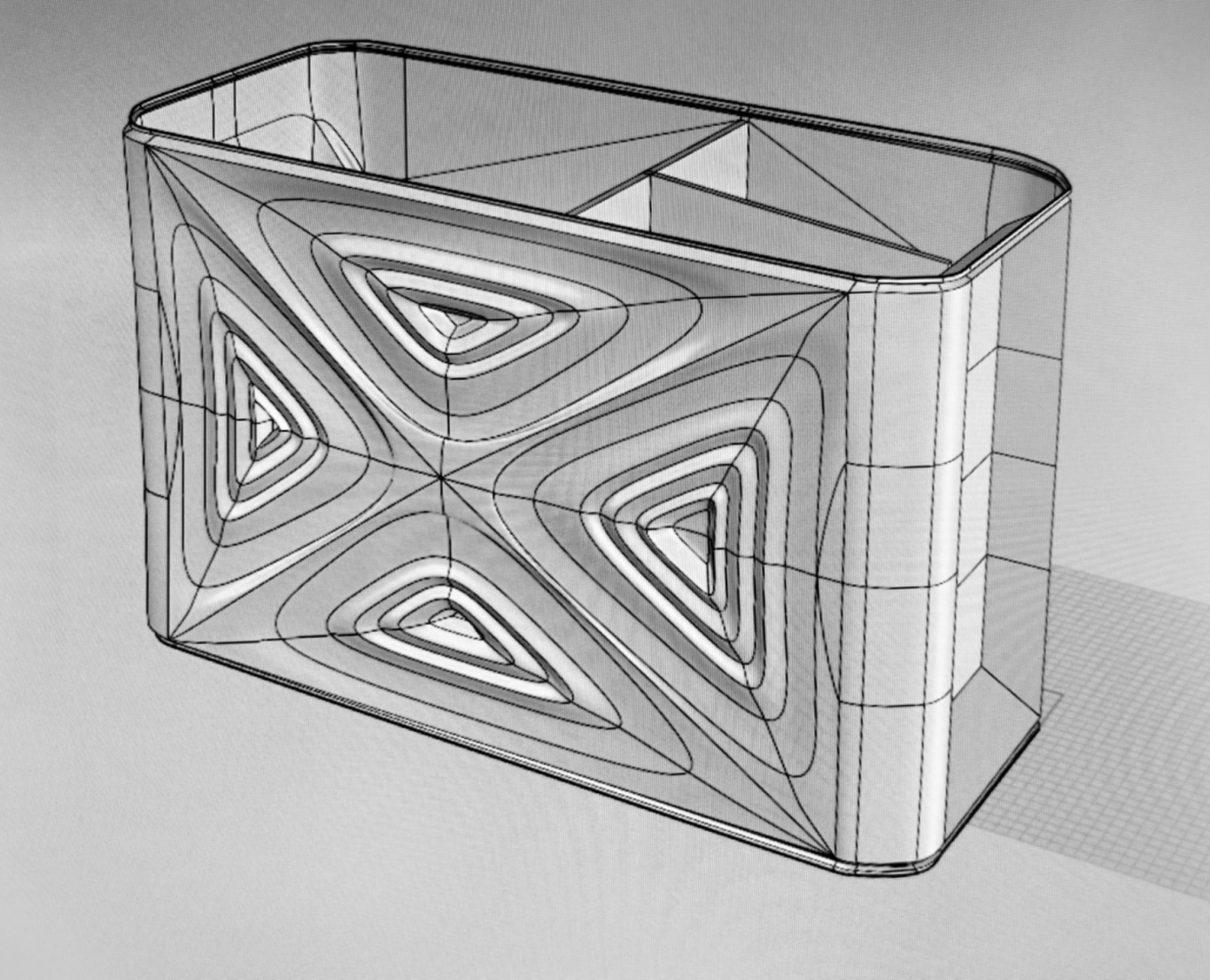
The triangular relief is not decoration. Flat panels concentrate load at the corners. The folded surface spreads it across the whole wall. That is what lets the shell stay this thin.
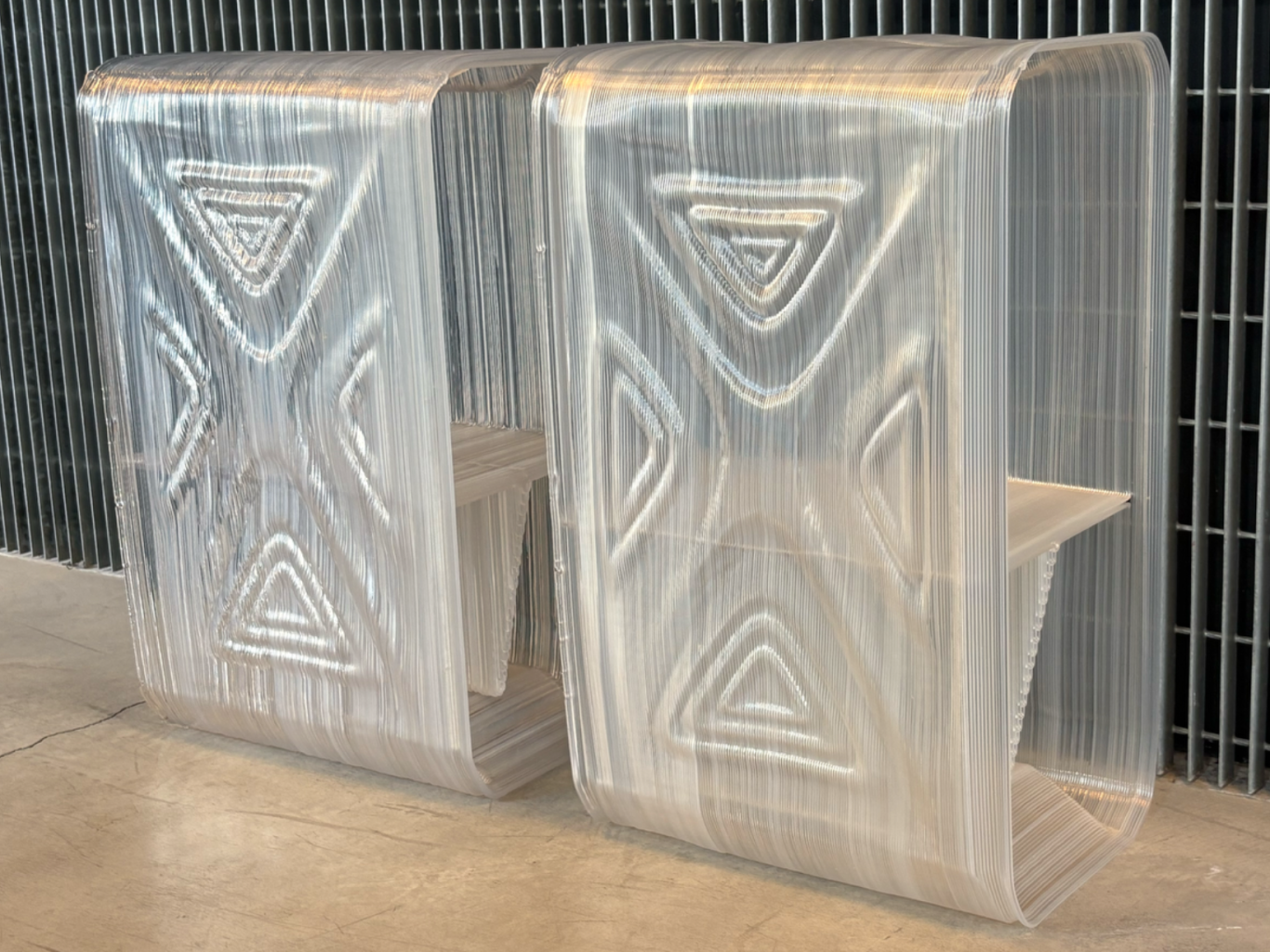
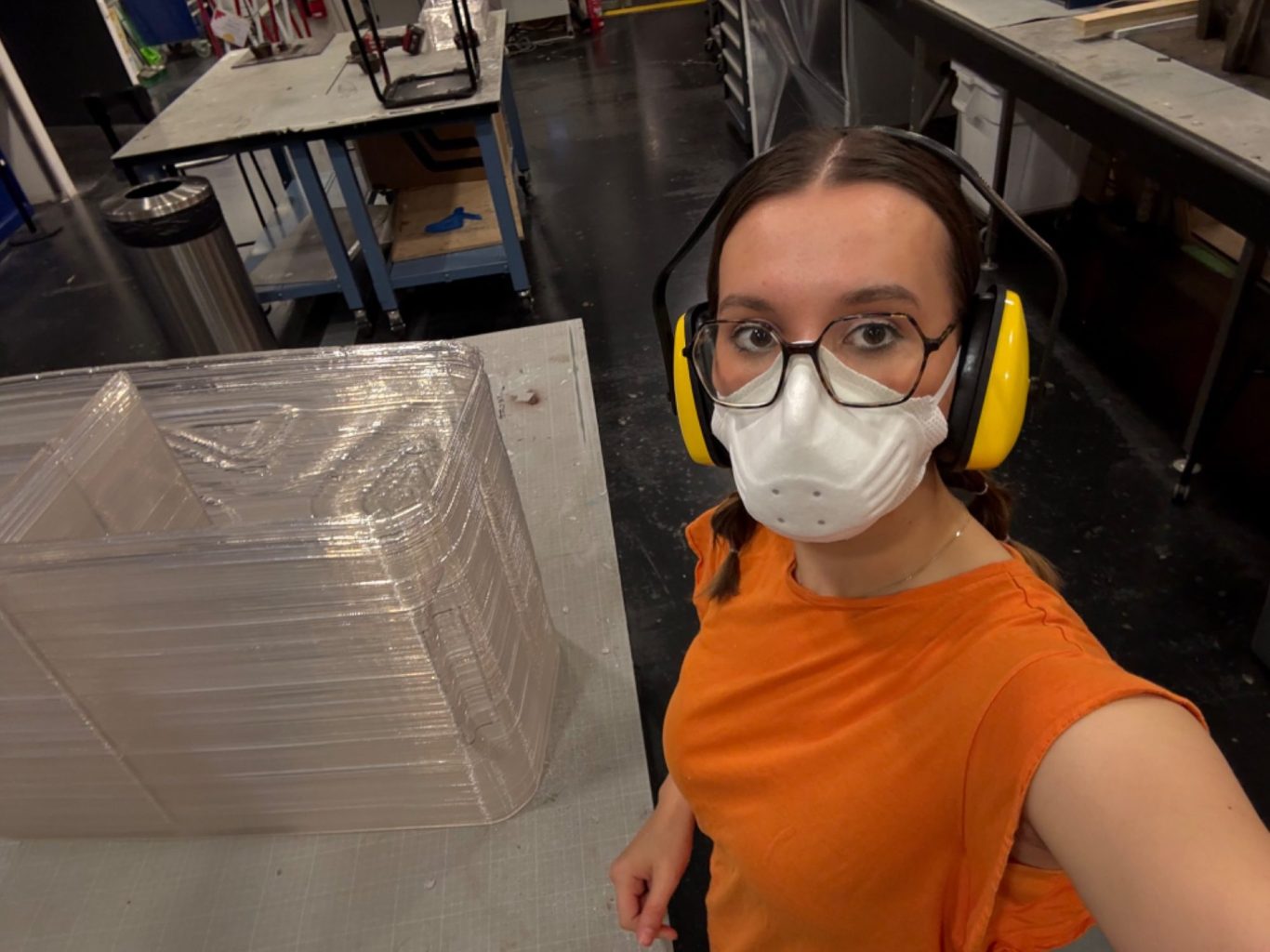
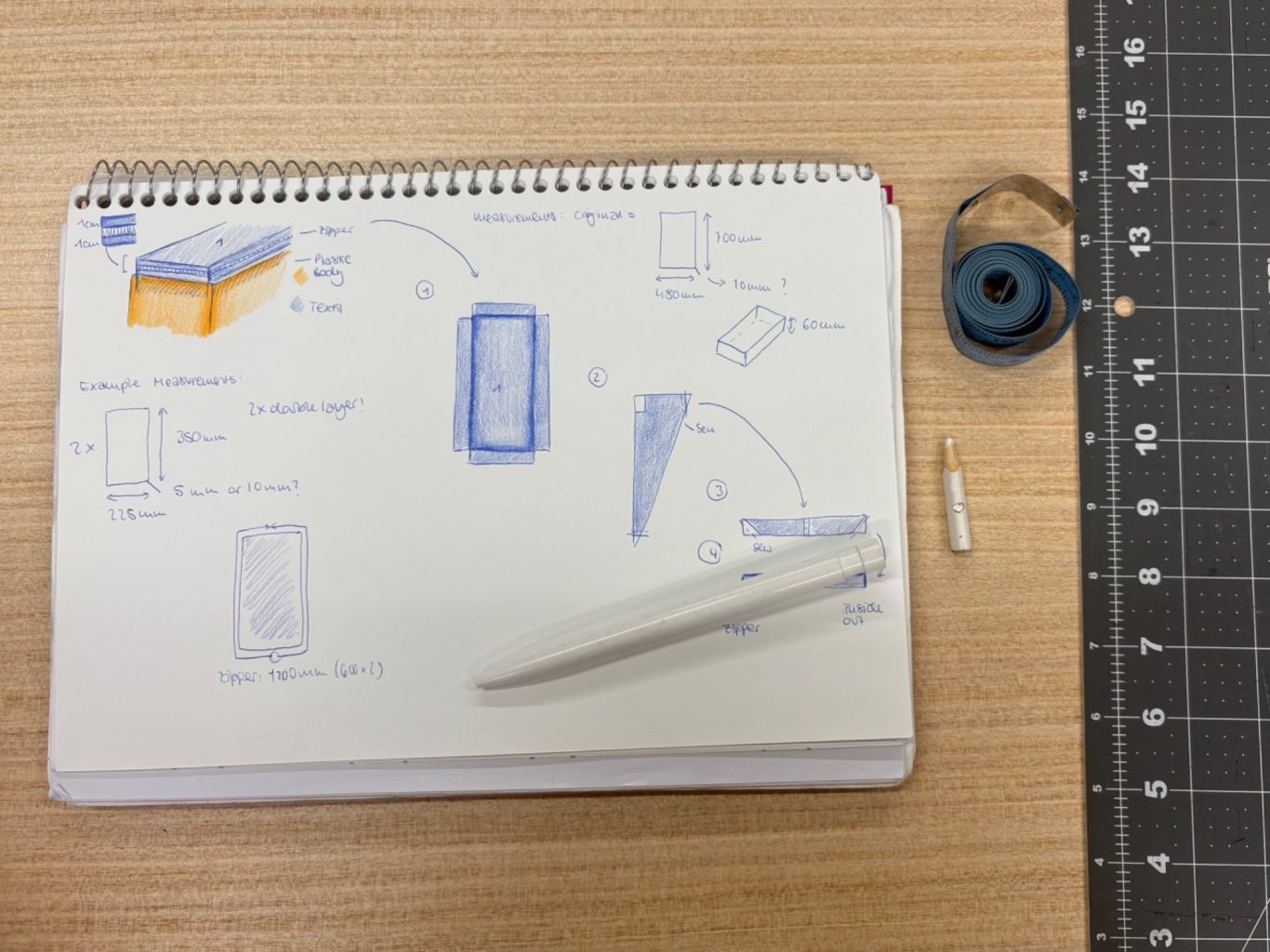
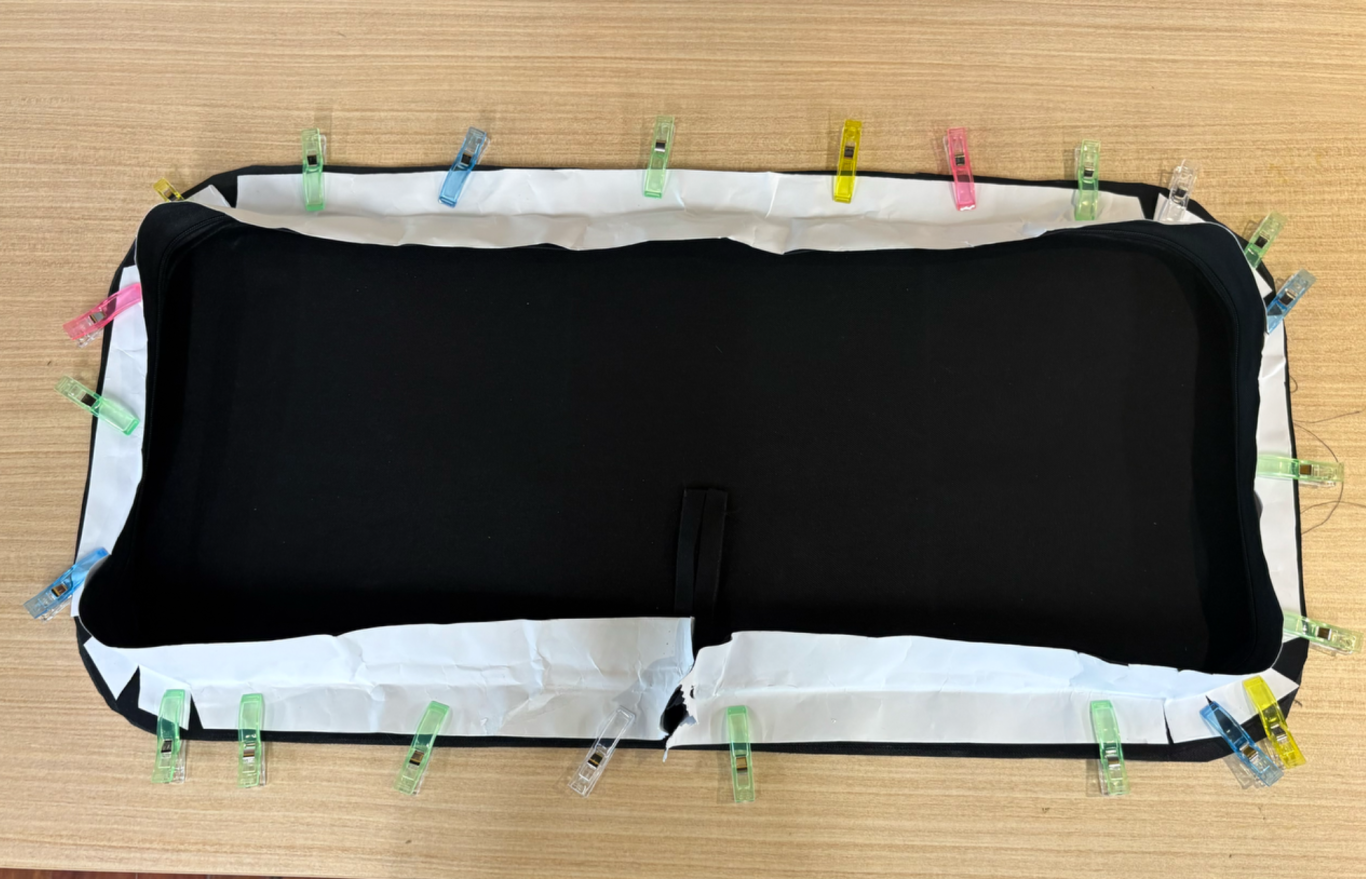
The case closes with two sewn side modules, stiffened with board. The outer fabric was chosen for travel. It is abrasion-resistant and dimensionally stable, so the sides hold their shape instead of collapsing when the case is empty. I sewed three test versions before this one.
CONSTRUCTION
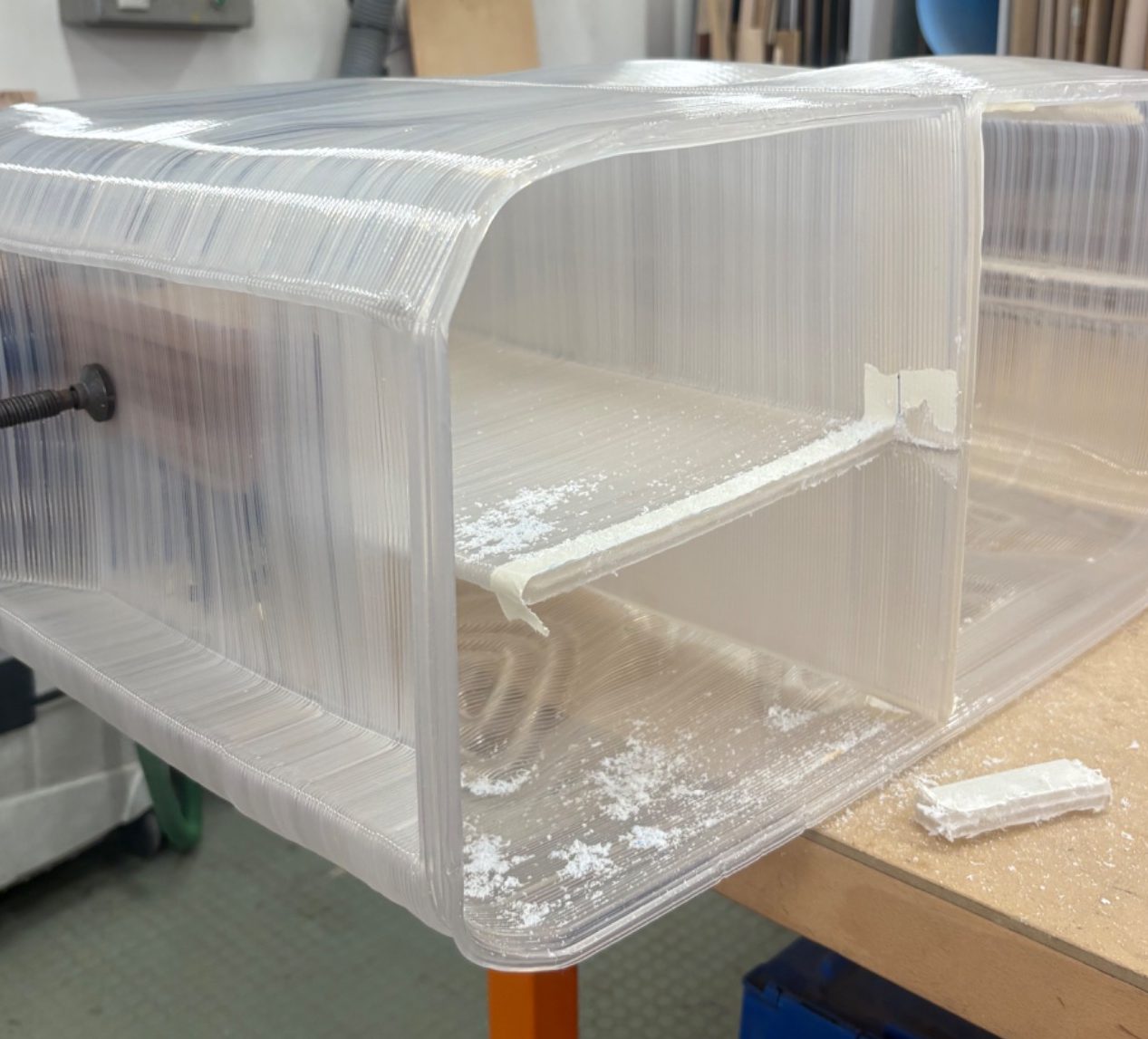
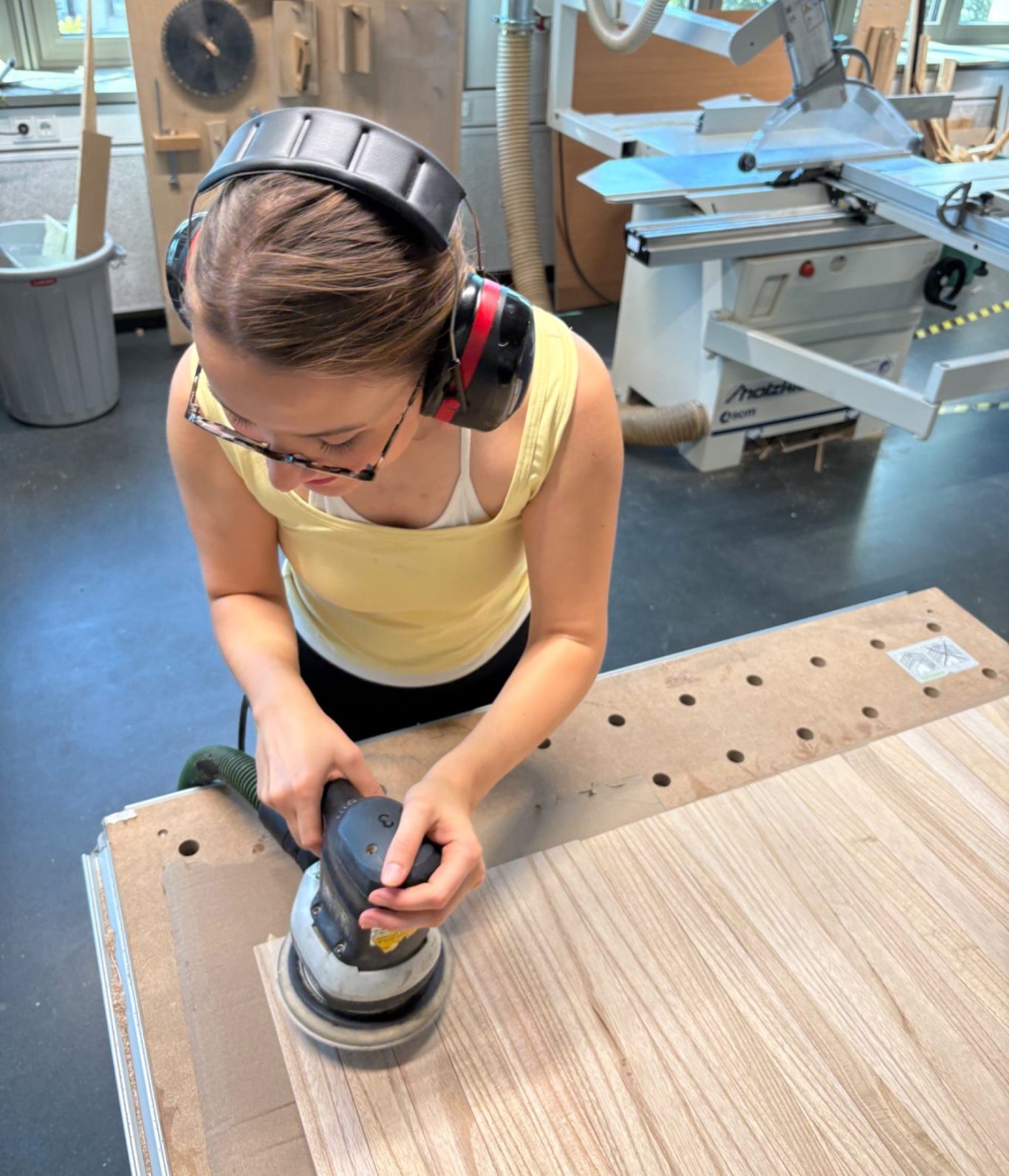
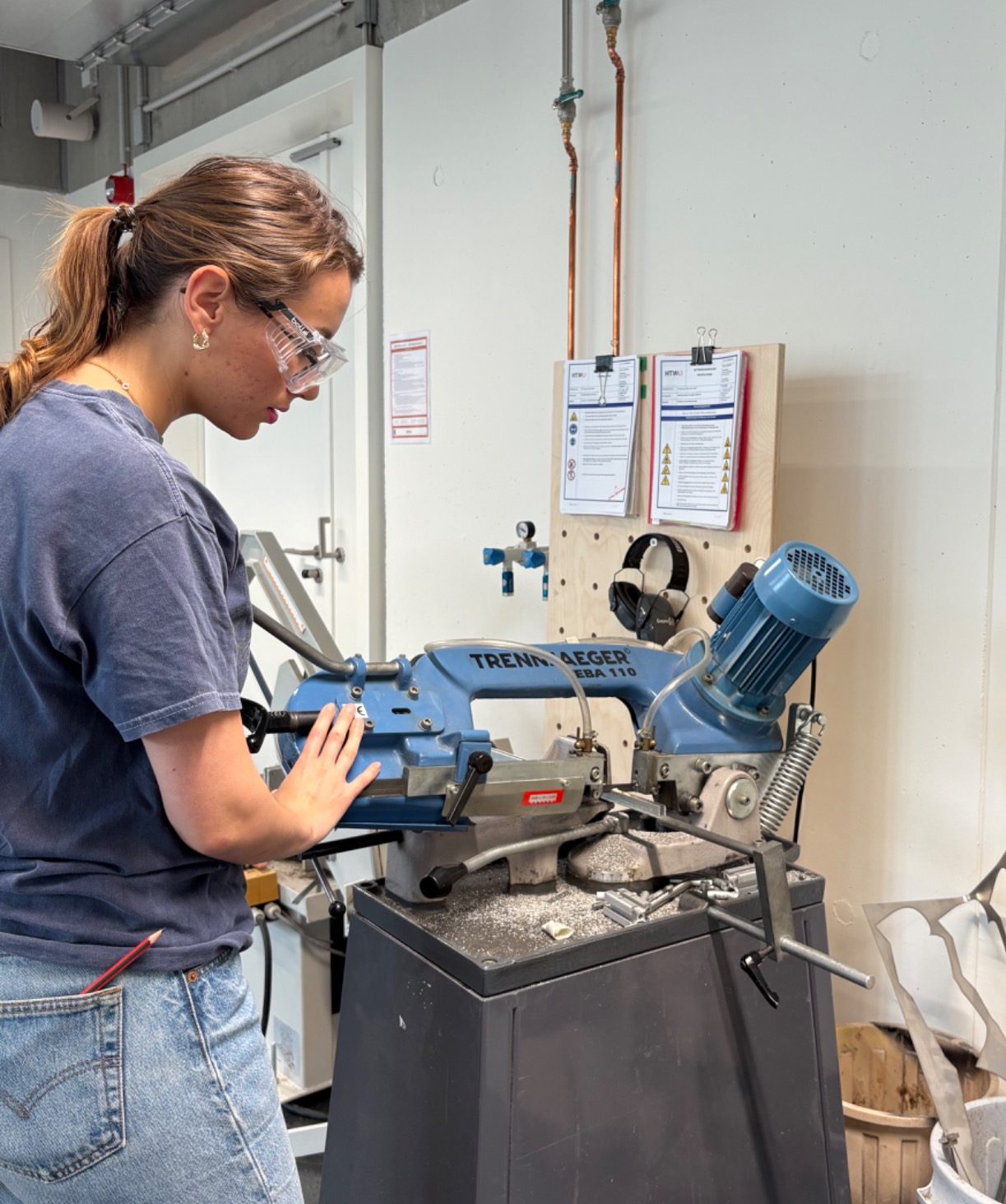
Load-bearing casters clamp into a channel printed into the base. The channel could not be printed as drawn: the extruder needs a surface to land on. So I printed it closed, then cut and sanded the seat by hand until the wheels sat flush.
LEARNINGS
The prototype was meant to be laminated. But lamination bonds a second material to the shell, and PETG only goes back into the loop if nothing else is bonded to it.
I dropped the lamination against advice. Six months taught me to start printing earlier. The full-size model told me more in one afternoon than the small prototypes had in weeks.
OUTCOME
A thin shell still wants stiffening, and every method I found breaks the material loop. That is the part I have not solved. Wall thickness turned out to matter more than any other variable I changed.
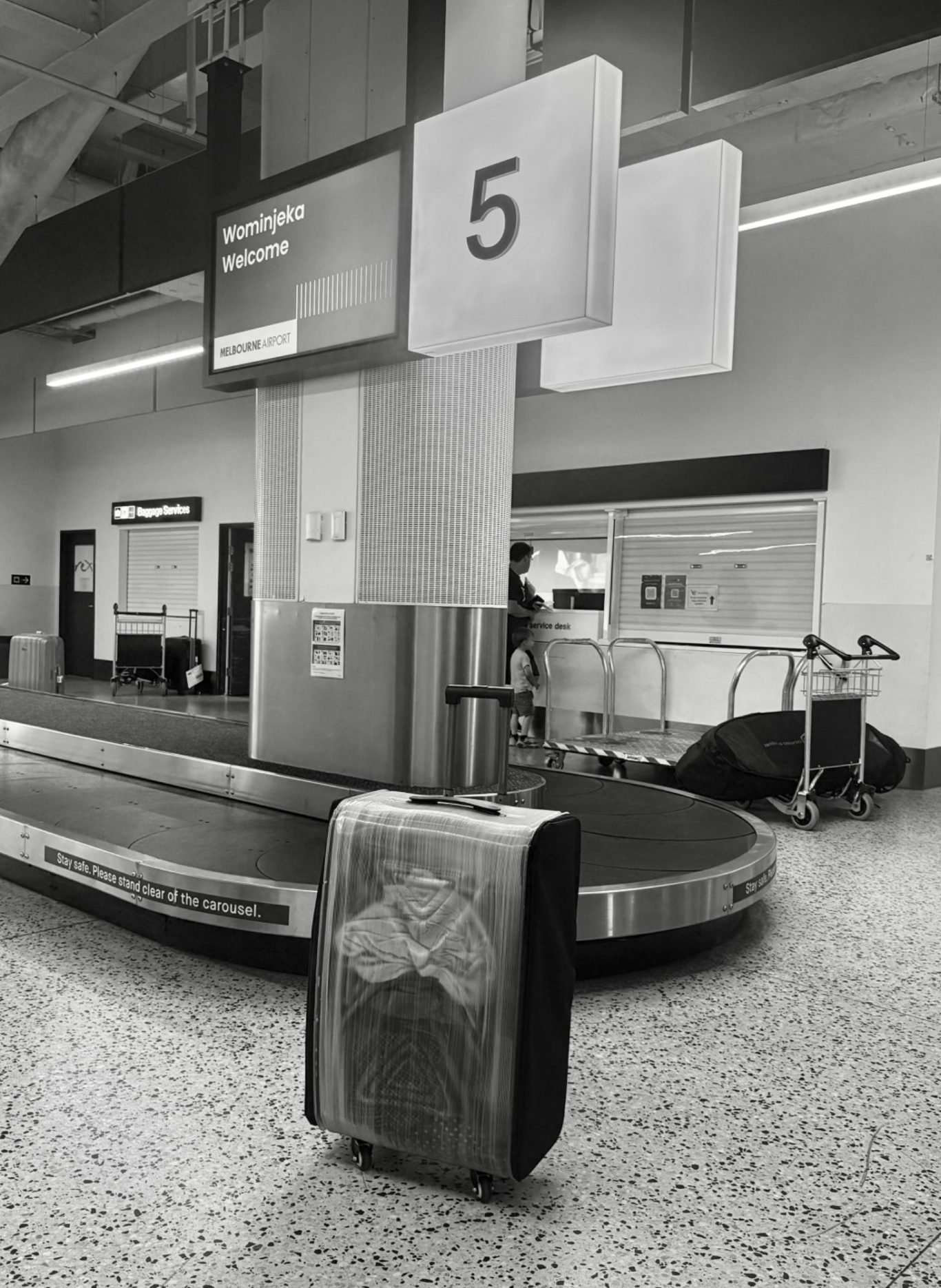
I load-tested the bare printed body and shipped the case from Melbourne to Germany as checked luggage. It arrived with two small fractures at the bottom sides, and nothing else had moved.
02
ONDELLE
3D VENEER TABLE
10/2024 - 01/2025, Solo Project, Company Project with DANZER GmbH, Dresden
INTRO
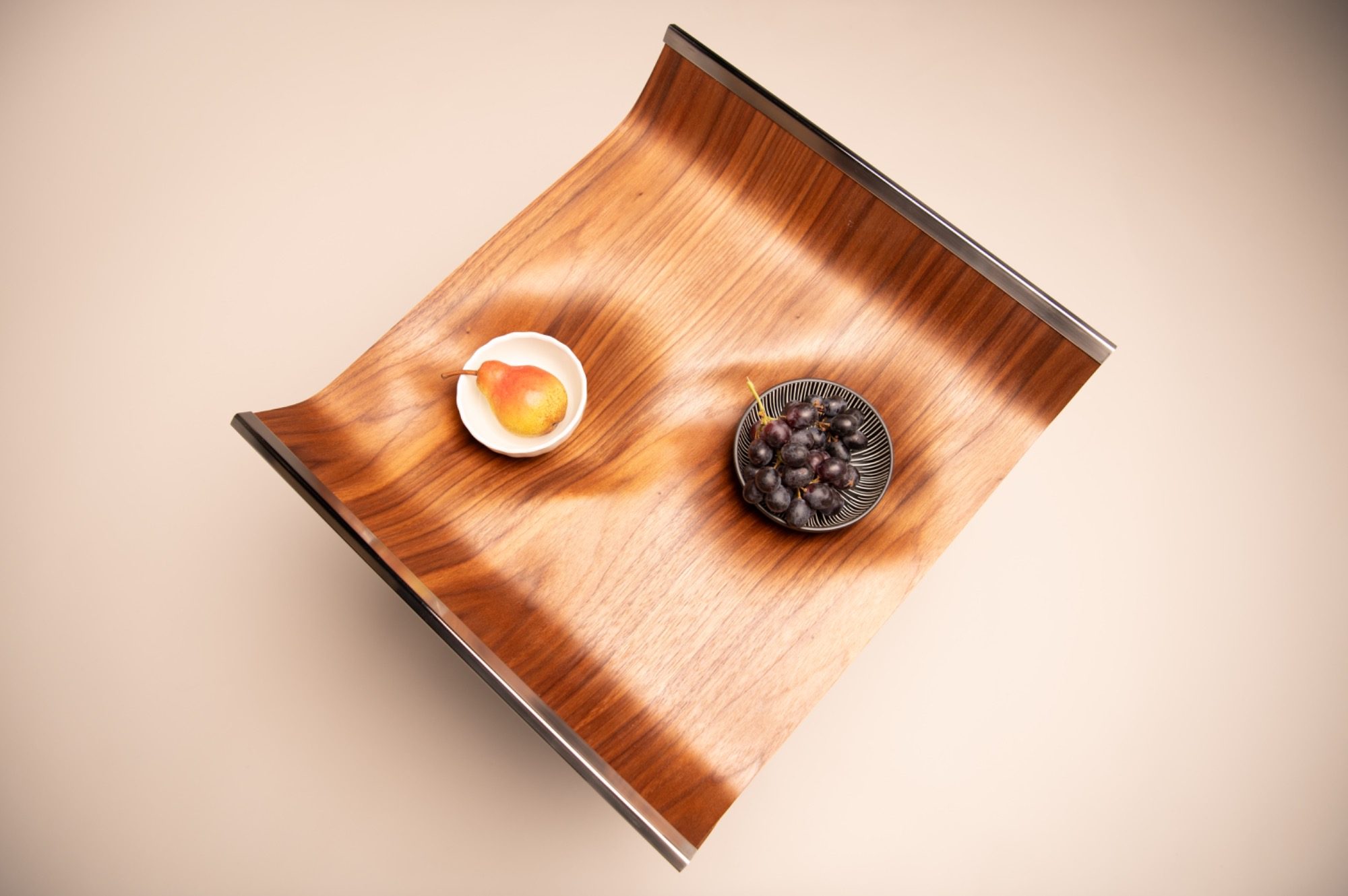
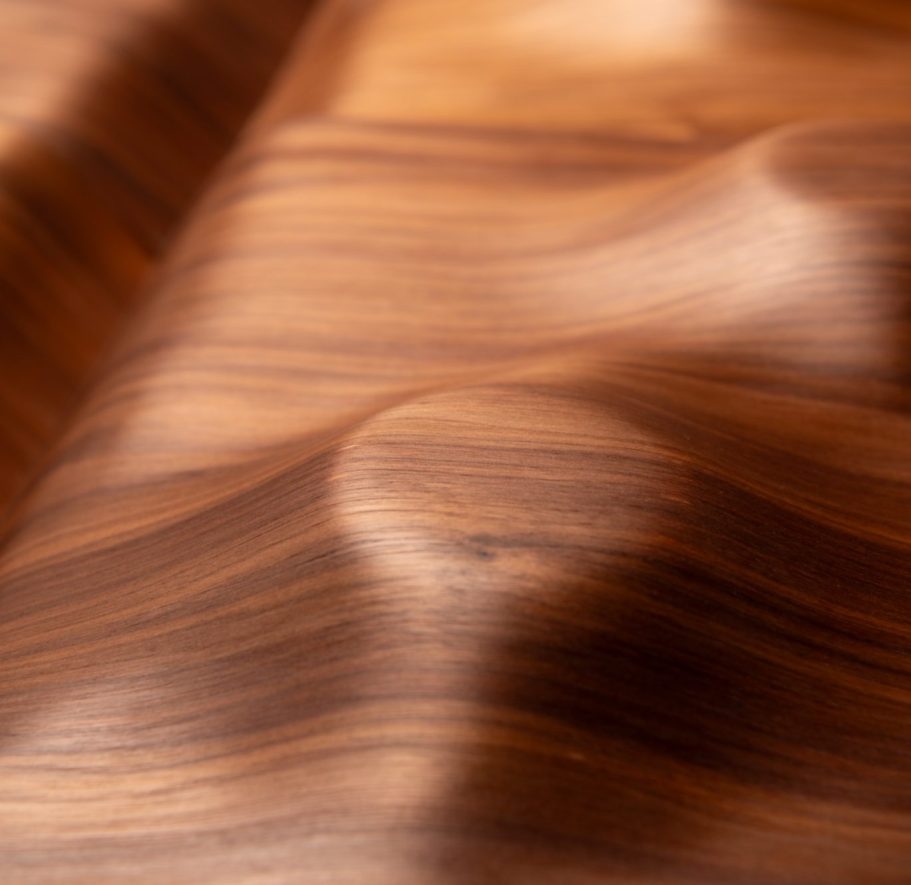
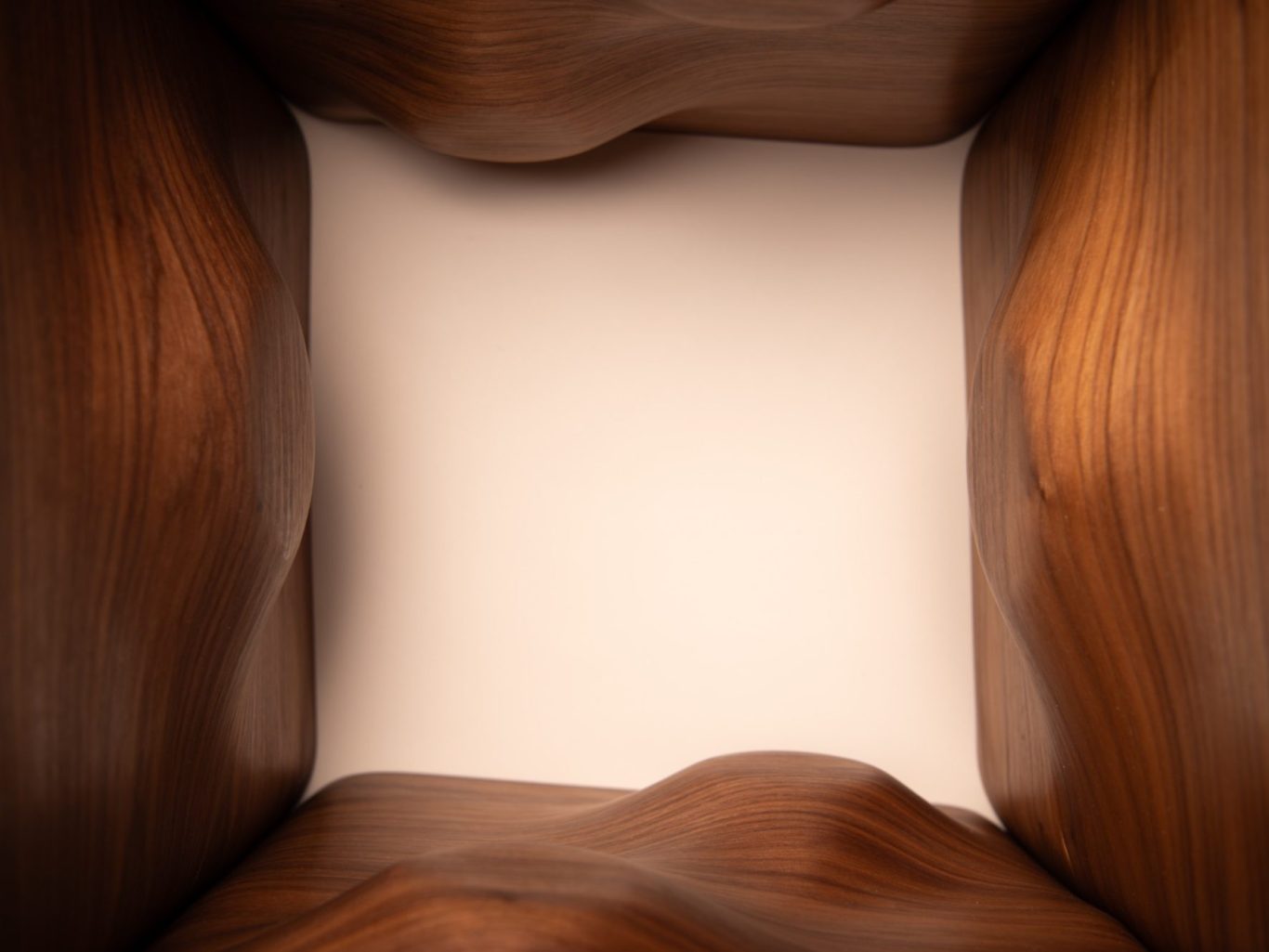
Danzer’s 3D veneer can be pressed into double curves without cracking, which ordinary veneer cannot. I used that for indentations in the tabletop. A bowl or a glass sits in the surface instead of on it. The grain runs througt the curve unbroken.
By combining thin but strong layers, the design achieves a lightweight yet stable structure. The curved forms also highlight the natural wood grain, enhancing its visual appeal.
CONTRUCTION
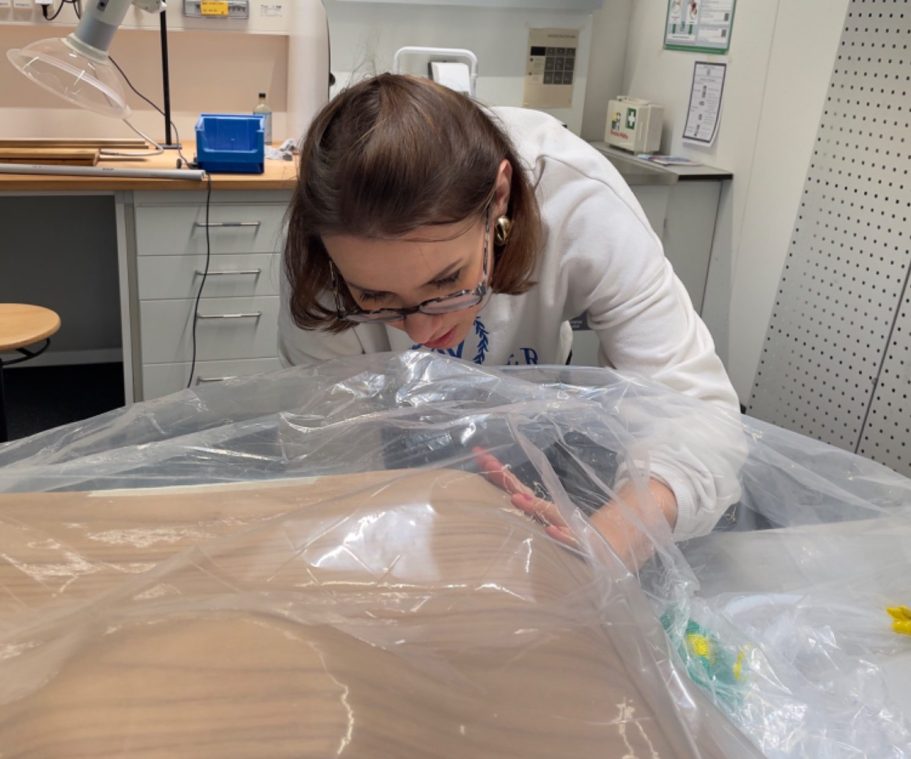
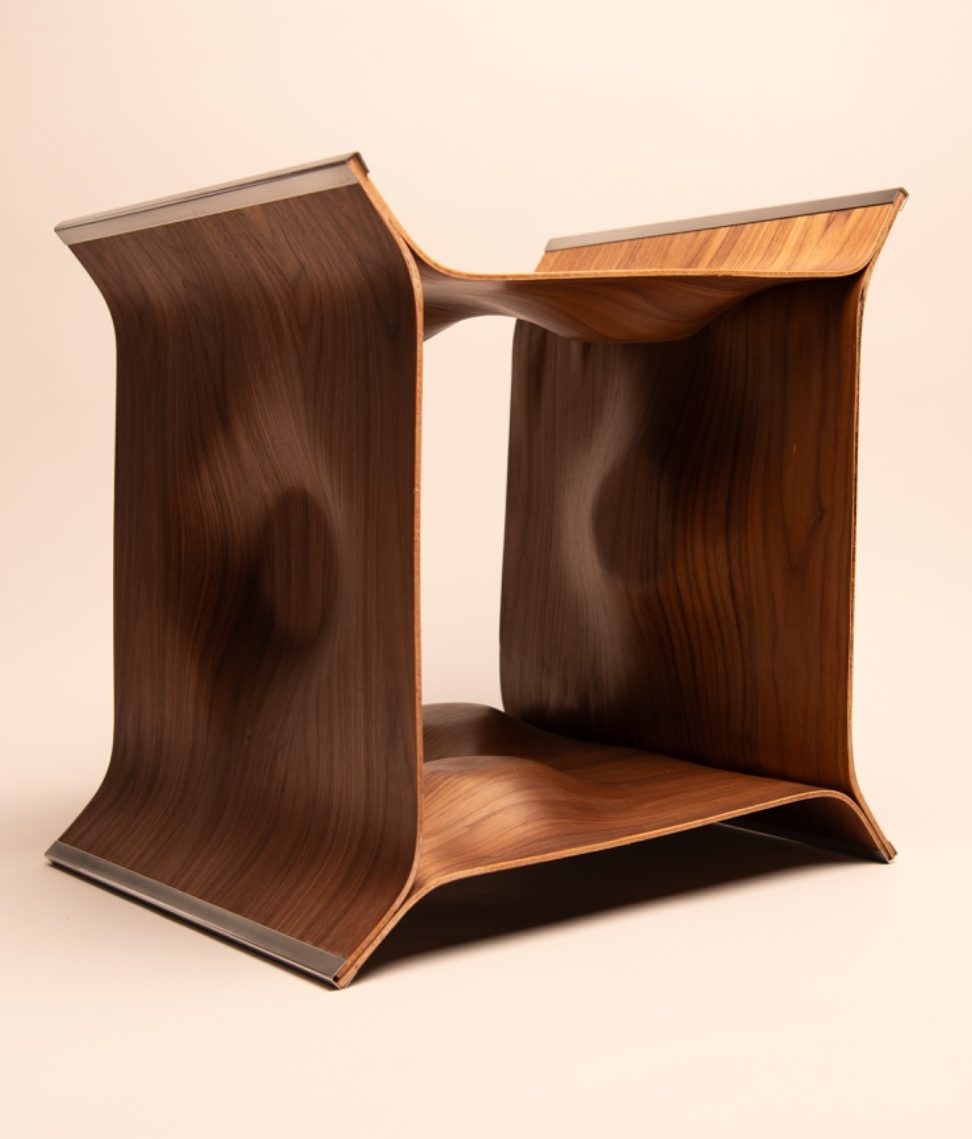
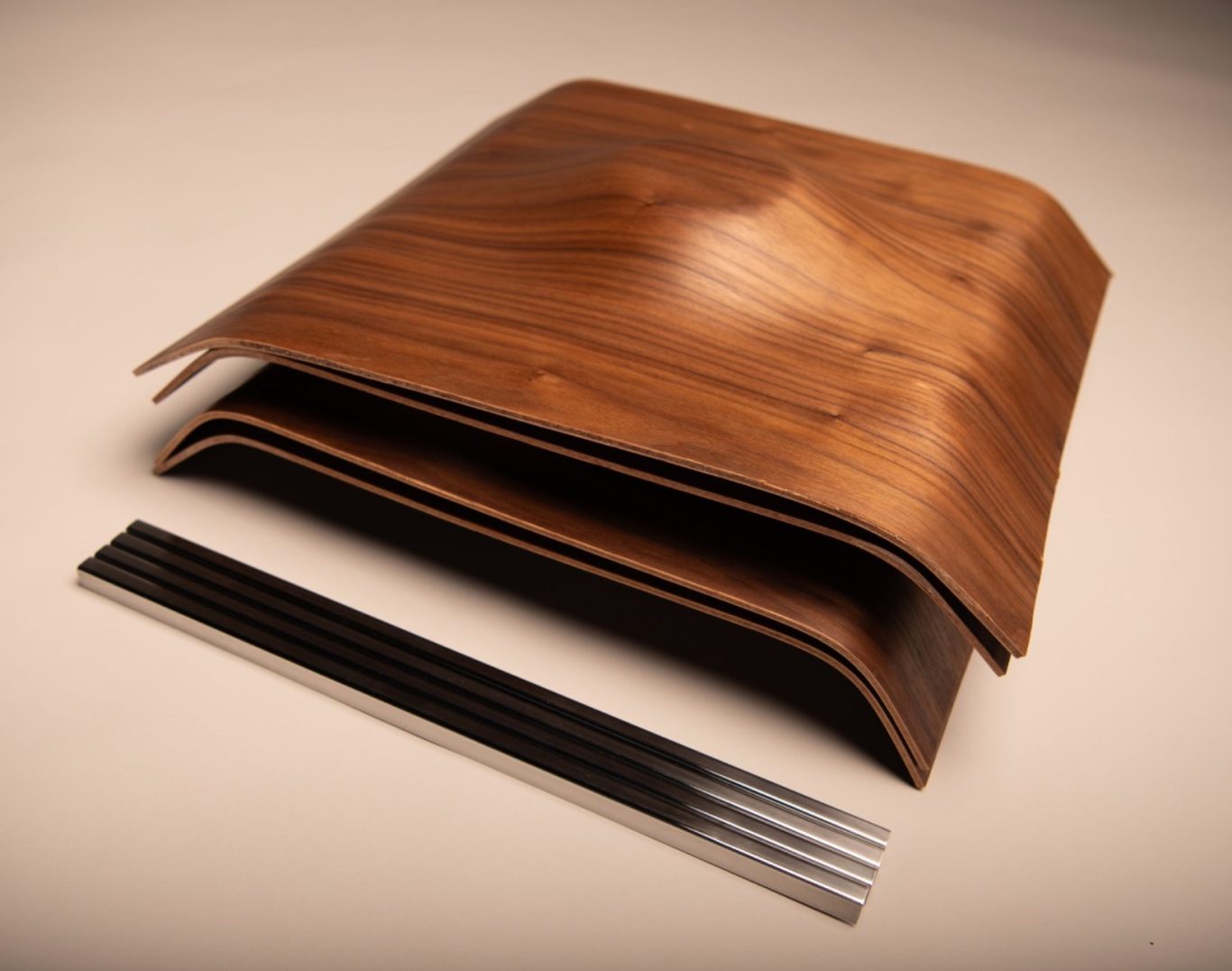
Four layers of veneer are vacuum-pressed onto a mould, with a convex surface that minimises wrinkles and facilitates demoulding. The modular design enables customer-specific configurations.
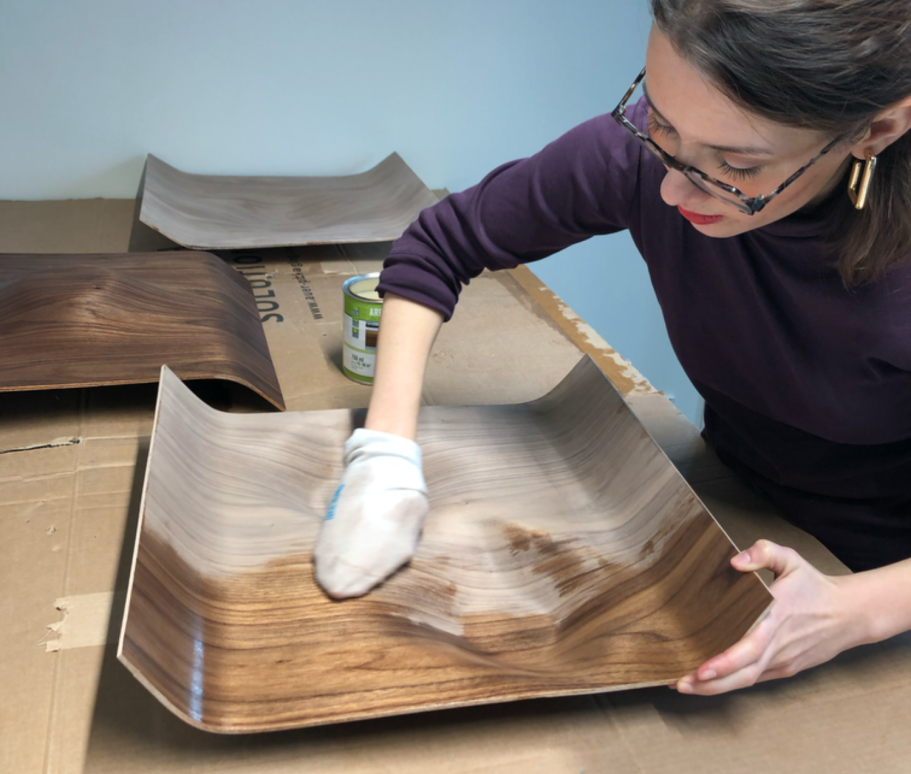
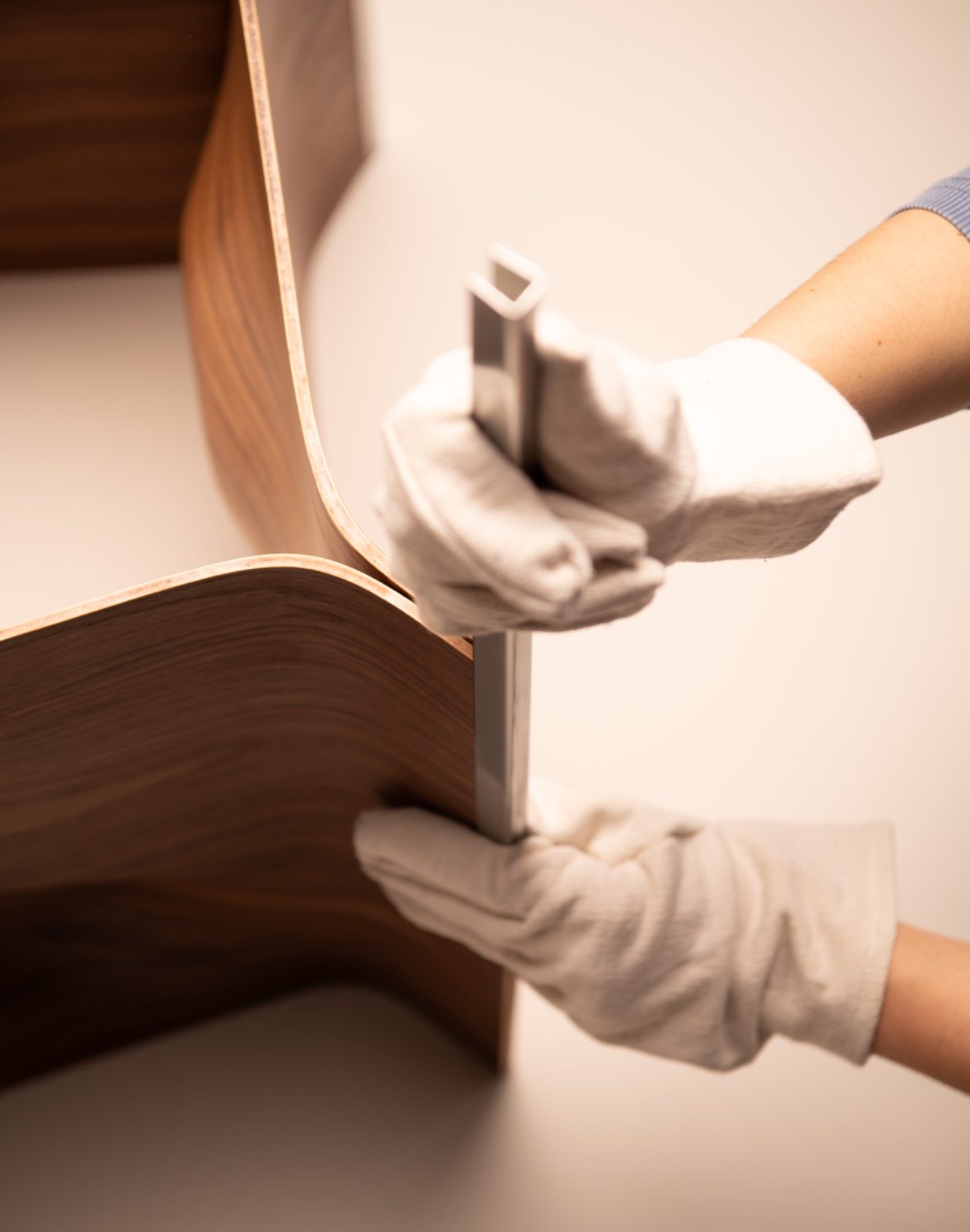
The veneer was treated with worktop oil to enhance the wood grain and protect the surface. The panels are detachable connected with stainless steel U-profiles.
ASSEMBLE
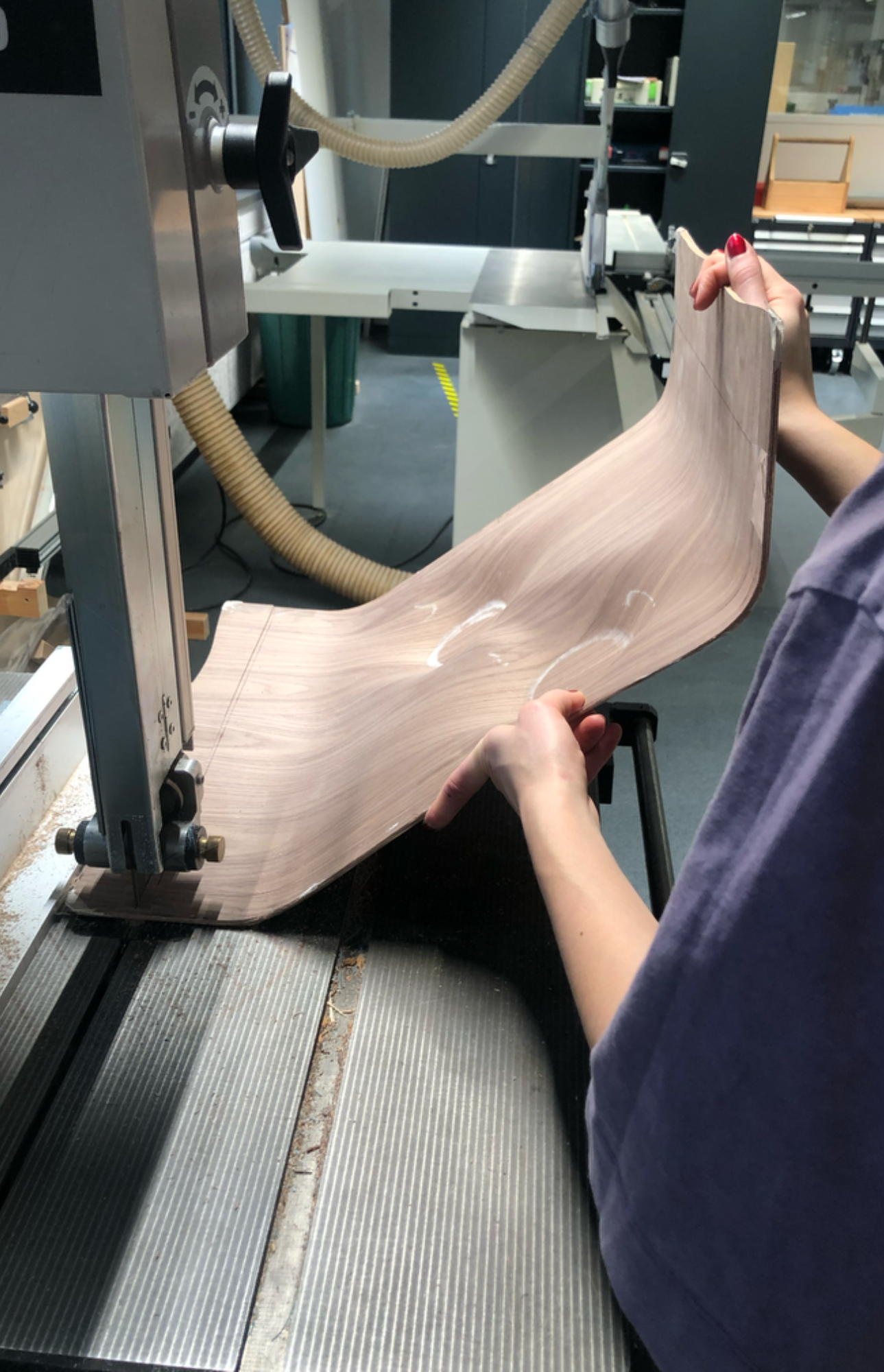
The four modular panels are made of four-layer pressed veneer. The fiber orientation of the outer layers is the same, ensuring a light, stable construction. The panels are connected in tension with U-profiles made of 0.8 mm thick stainless steel. This creates a secure, durable and detachable connection.
LEARNINGS
What I would change is the mould angle, from 55° to 45°. I would also use more plaster moulds, to vary the surface far more. I learned that wood glue was enough and the epoxy wasn’t necessary.
03
PRECARE
PREVENTIVE CARE SYSTEM
03/2025 - 07/2025, RIMOWA Design Competition 2025, HTW Dresden
Team: Alima Wassermann and Annabell Völkel, my role: Research, Concept, Prototype, Branding
INTRO
PreCare started with the need to help young women get to know their own bodies. Research widened it: screening fails before it starts.
We found three barriers: the taboo around talking about cancer, no access to services in regions without specialists, and an unresolved scientific debate about mammography that leaves people unsure whether to go at all.
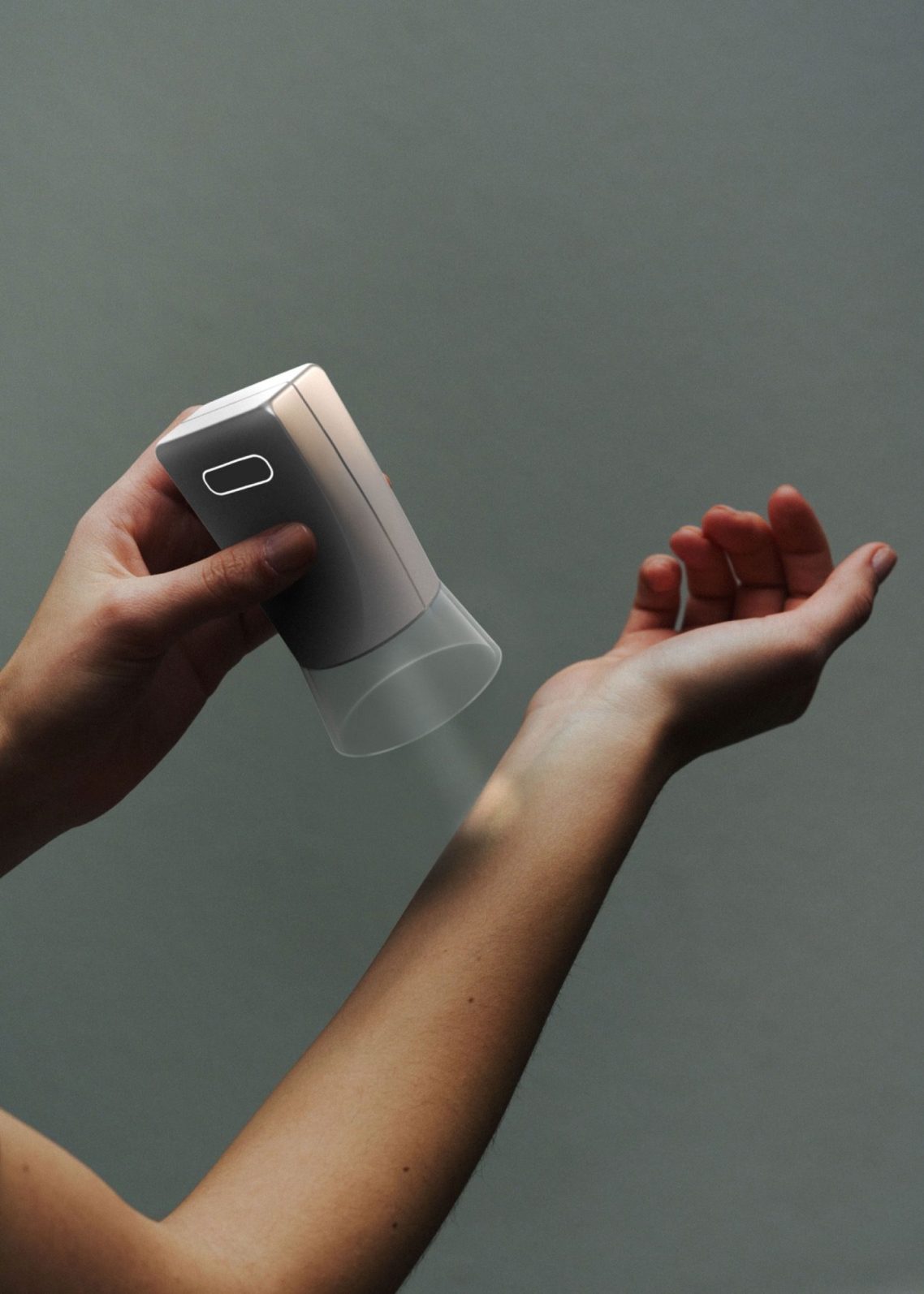
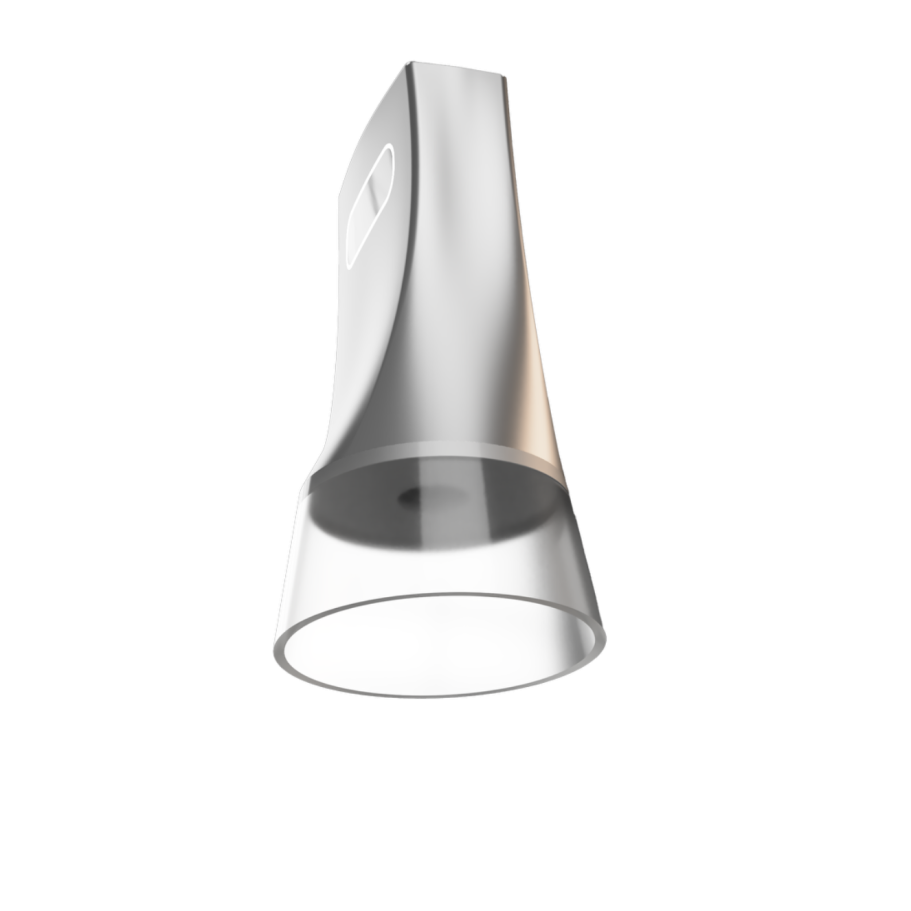
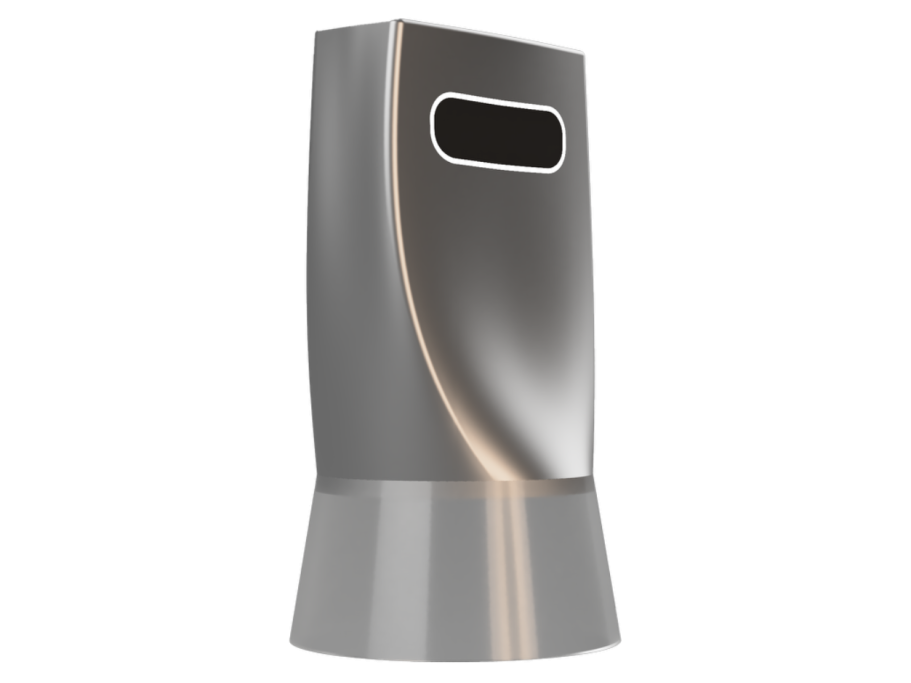
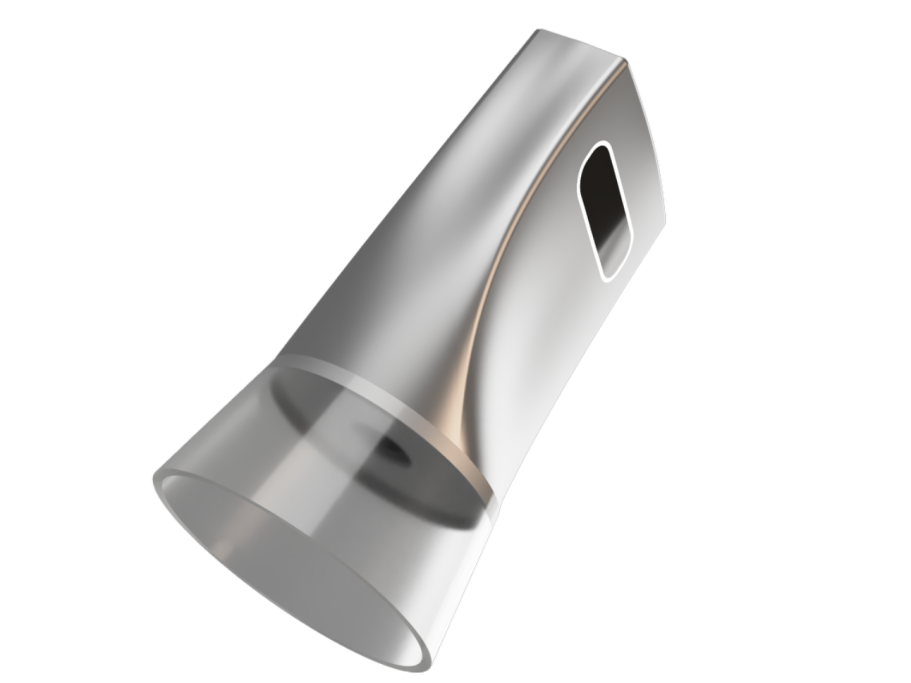
Skin Scanner
It takes a high-resolution image of the skin surface and saves it on the app. It monitors mole development over time, analyzing color, shape, and structure to guide decisions on treatment or mole removal.
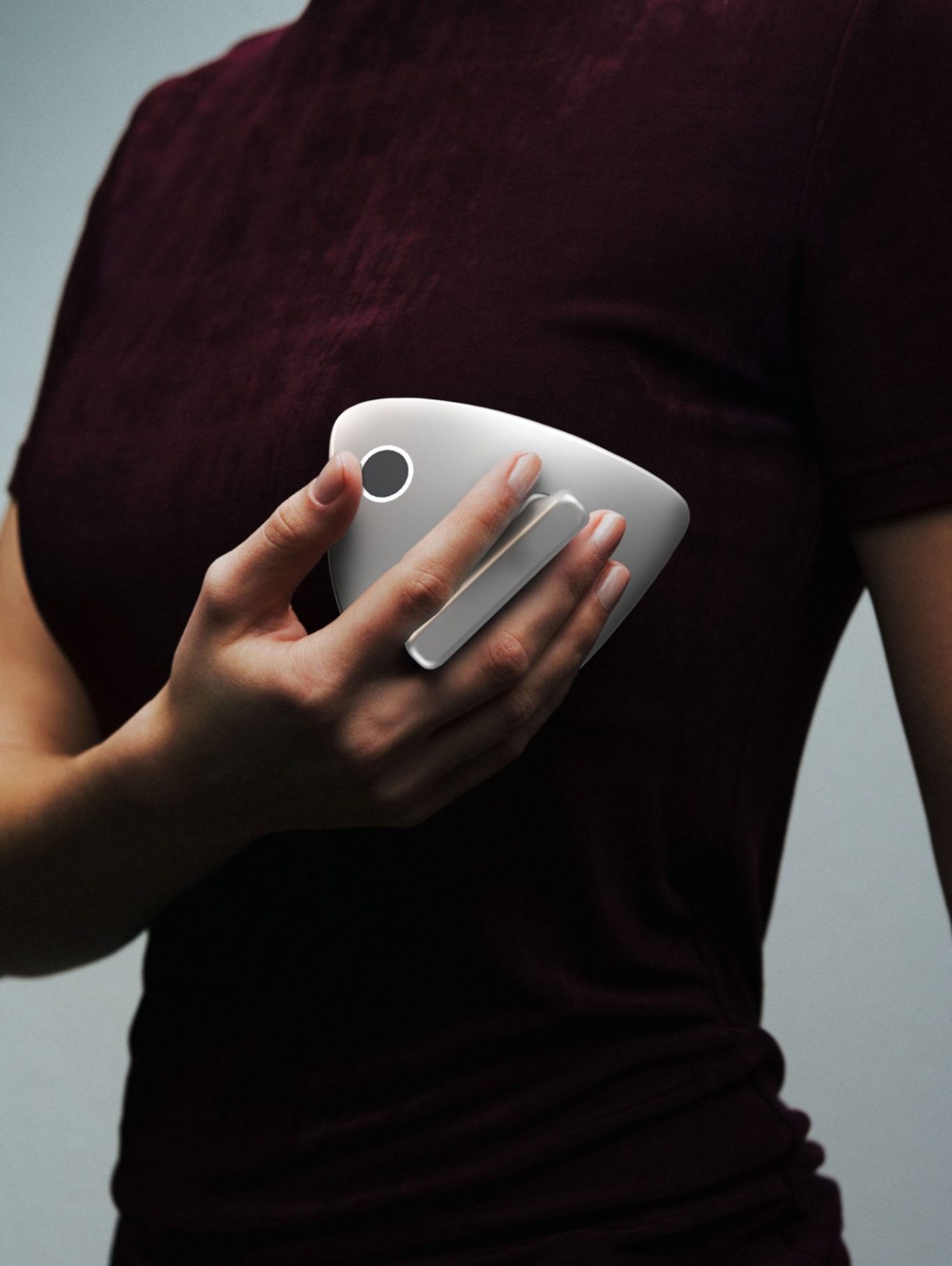
Breast Care Device
While moving around the entire breast the integrated transducer penetrates the tissue and creates a three-dimensional image of the examined area. The user then receives an initial assessment in the app.
RIMOWA COMPETITION
BERLIN, GERMANY
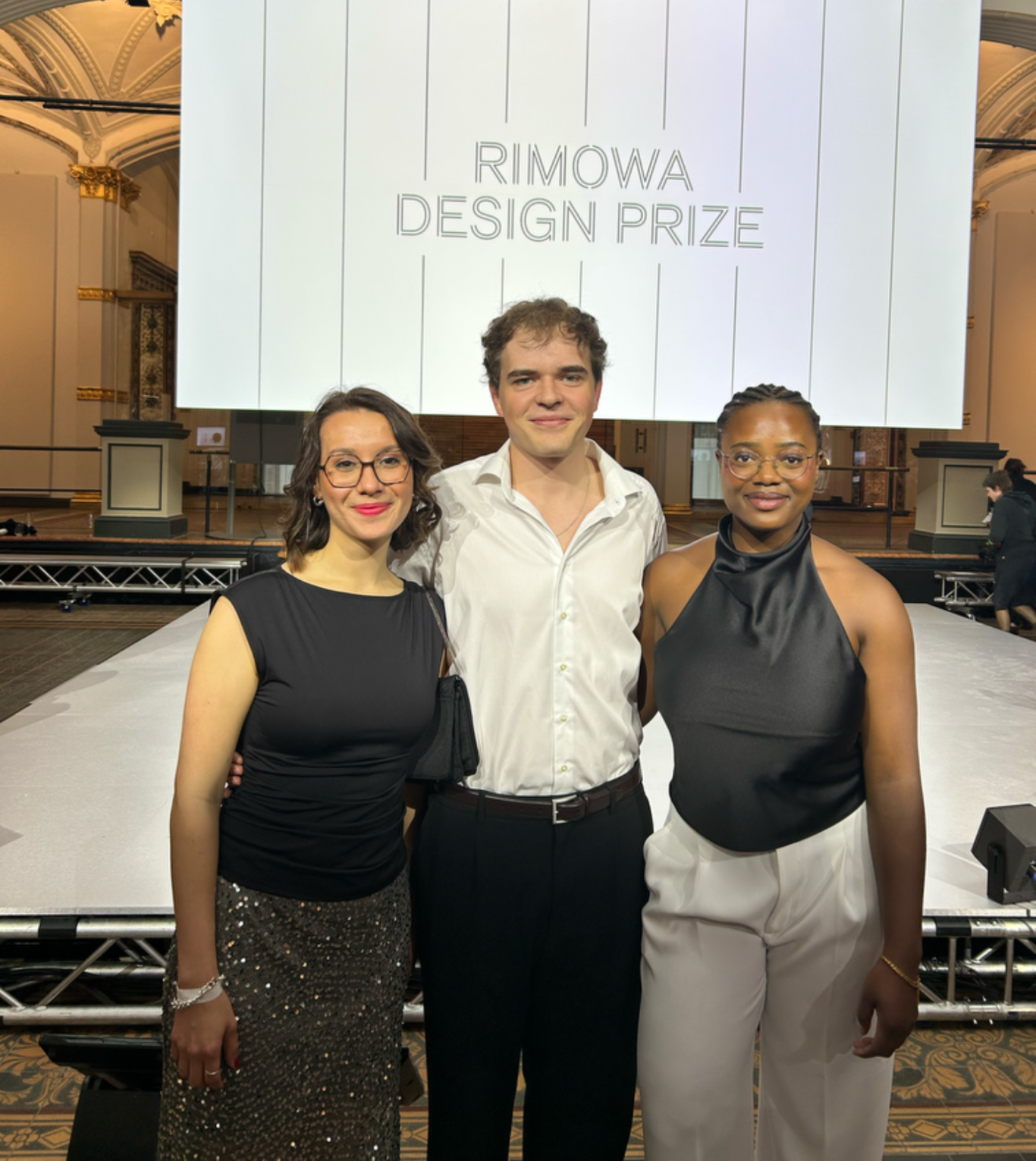
We participated with this project in the RIMOWA Design Competition 2025.
We had the privilege of attending the RIMOWA Design Award ceremony in Berlin, where the finalists presented their innovative concepts. The event was inspiring and showcased the forward-thinking design solutions. Hugues Bonnet-Masimbert, Chief Executive Officer of RIMOWA, and other distinguished personalities from the design industry were in attendance.
LEARNINGS
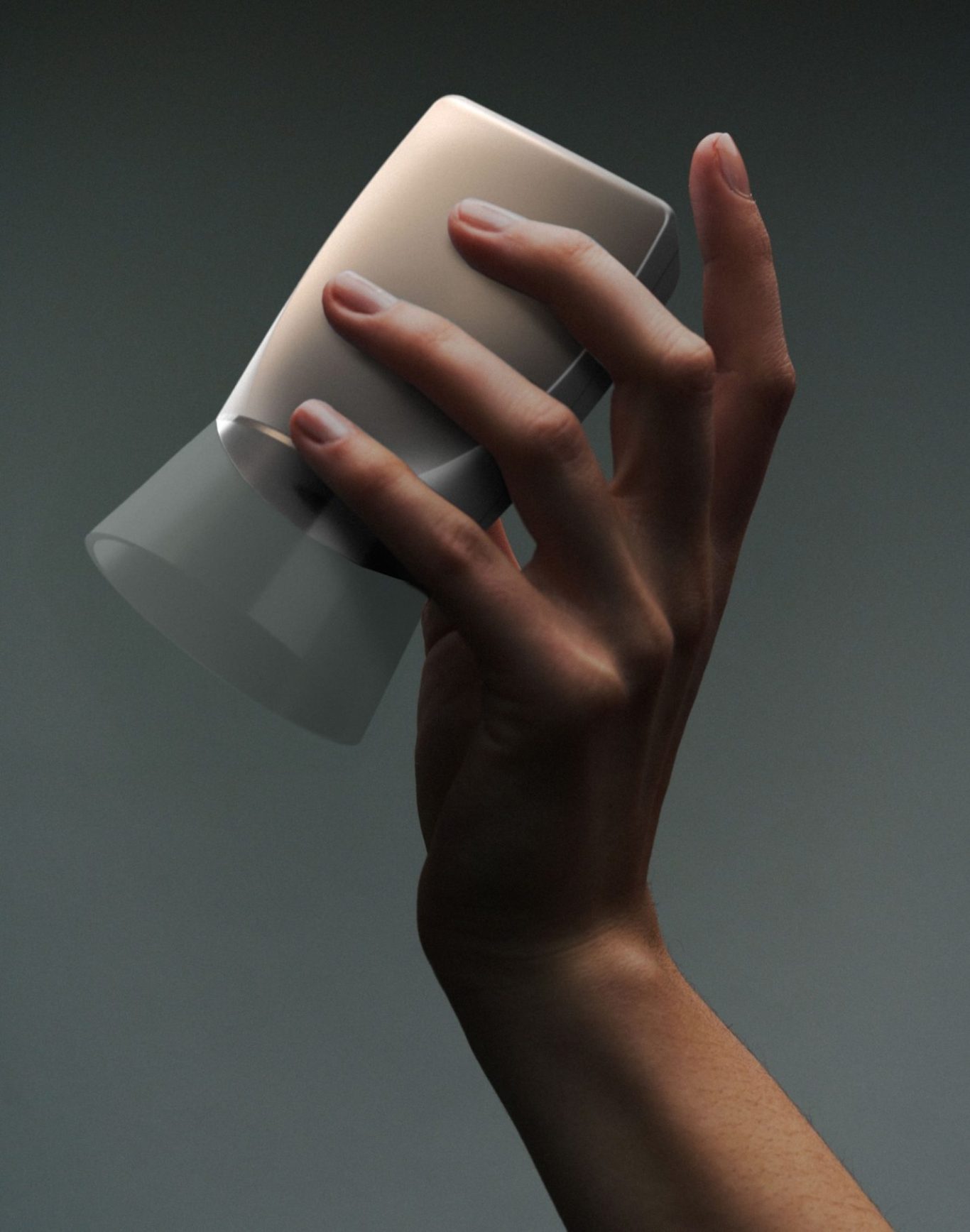
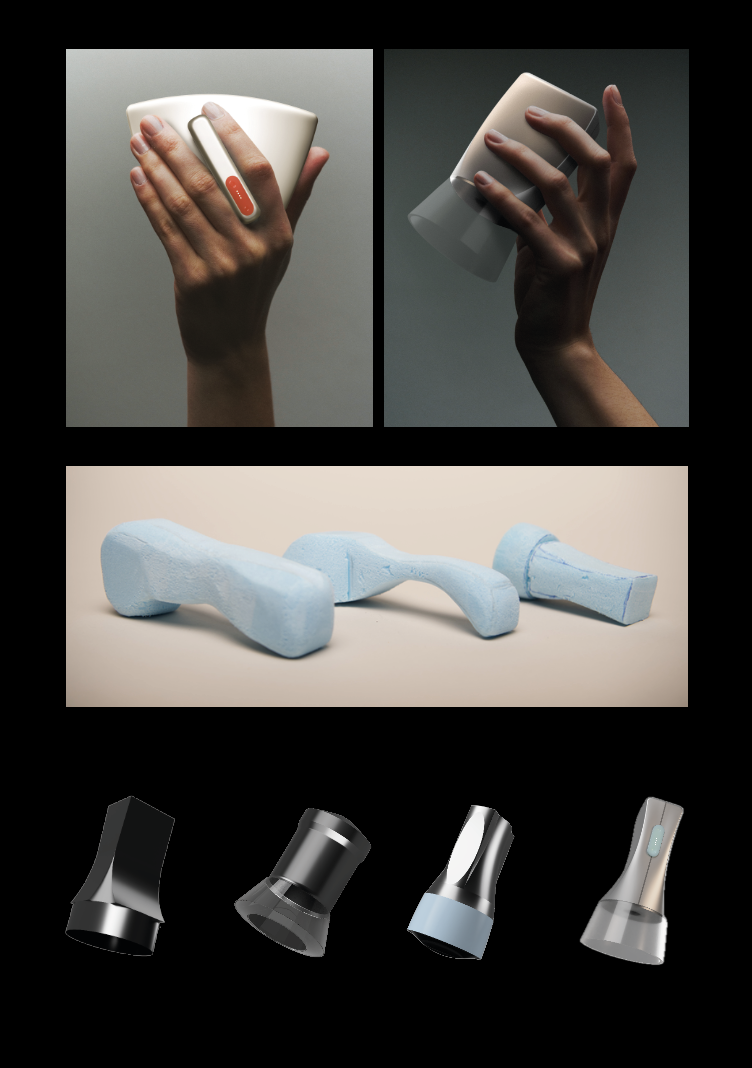
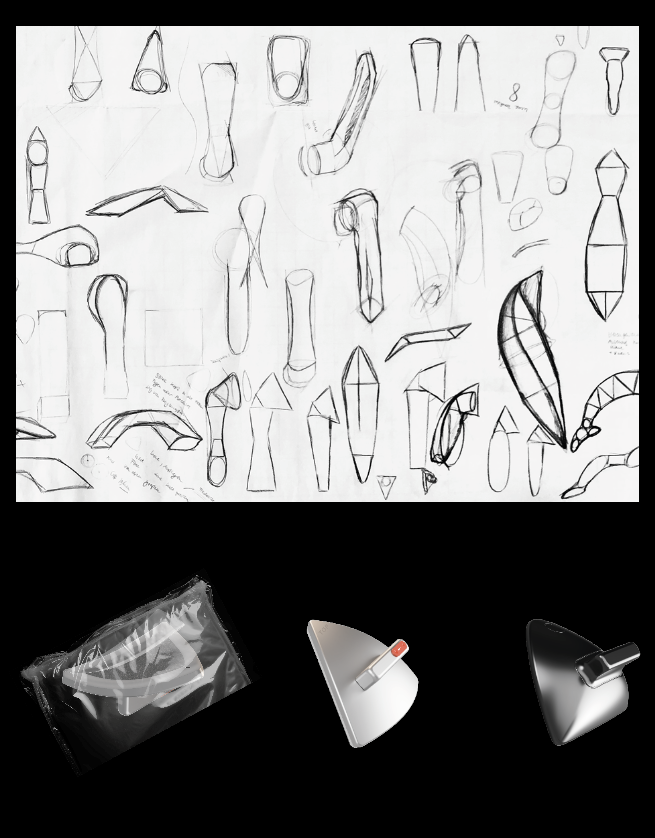
Renderings say nothing about how a device sits in a hand, so we cut every version in foam and passed it around. Ten students and lecturers tested them, across ages and hand sizes. Not patients, which is the limit of this test.
We kept the asymmetry and moved the button where the hand expected it. Next time I would build more variants and test with experts and hospitals early on.
04
PALO
ROLLABLE TABLE
04/2026 - 07/2026, Solo Project
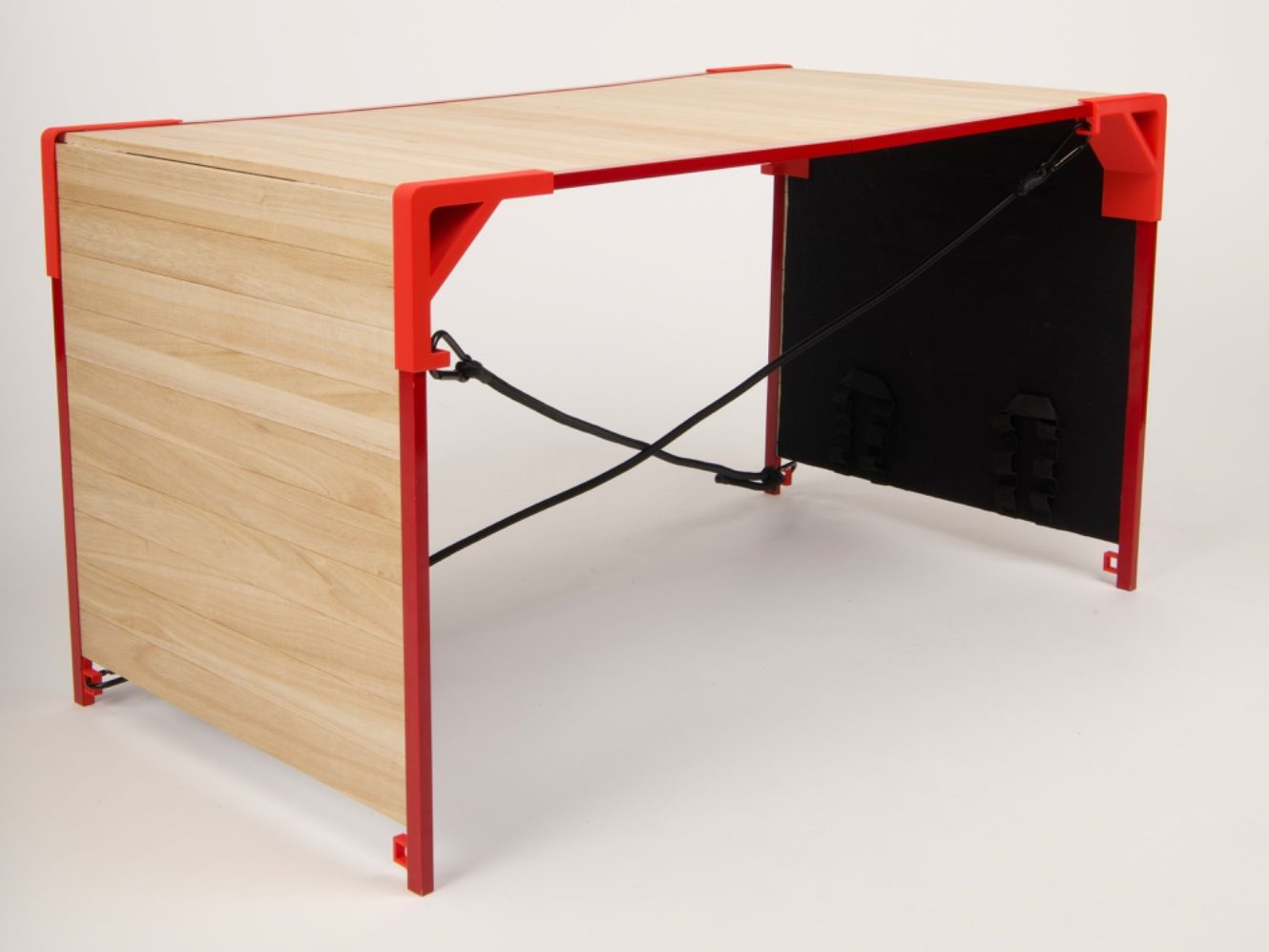
INTRO
I wanted to improve eating outdoors. The hard part is that people want to travel light. PALO had to add value, not effort. What is missing out there is a stable surface.
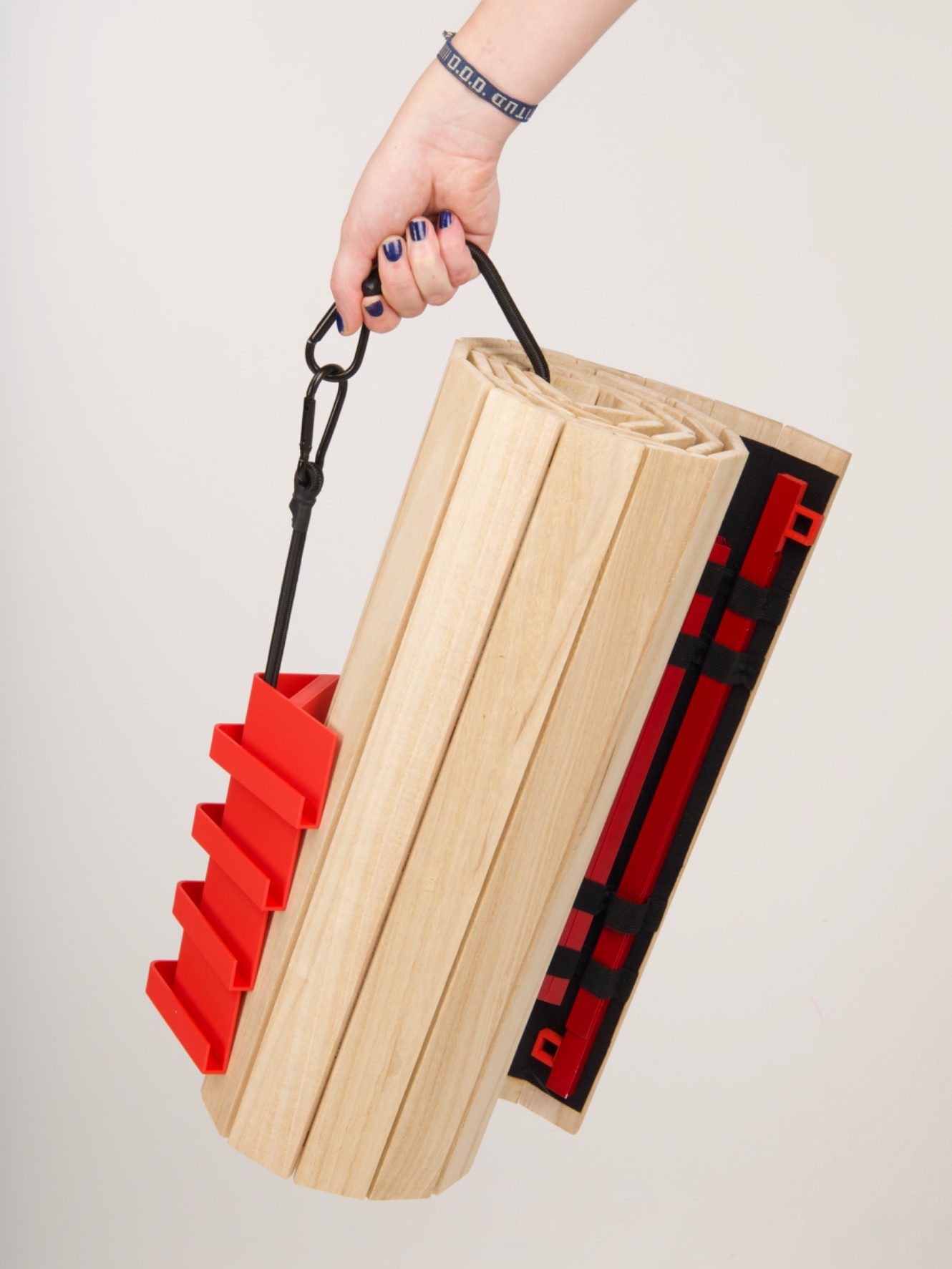
It unrolls into a dining surface for four to six people, packs to 45 × 16 cm and weighs 2.8 kg. Its adjustable height and width allow it to adapt to different group sizes.
CONCEPT
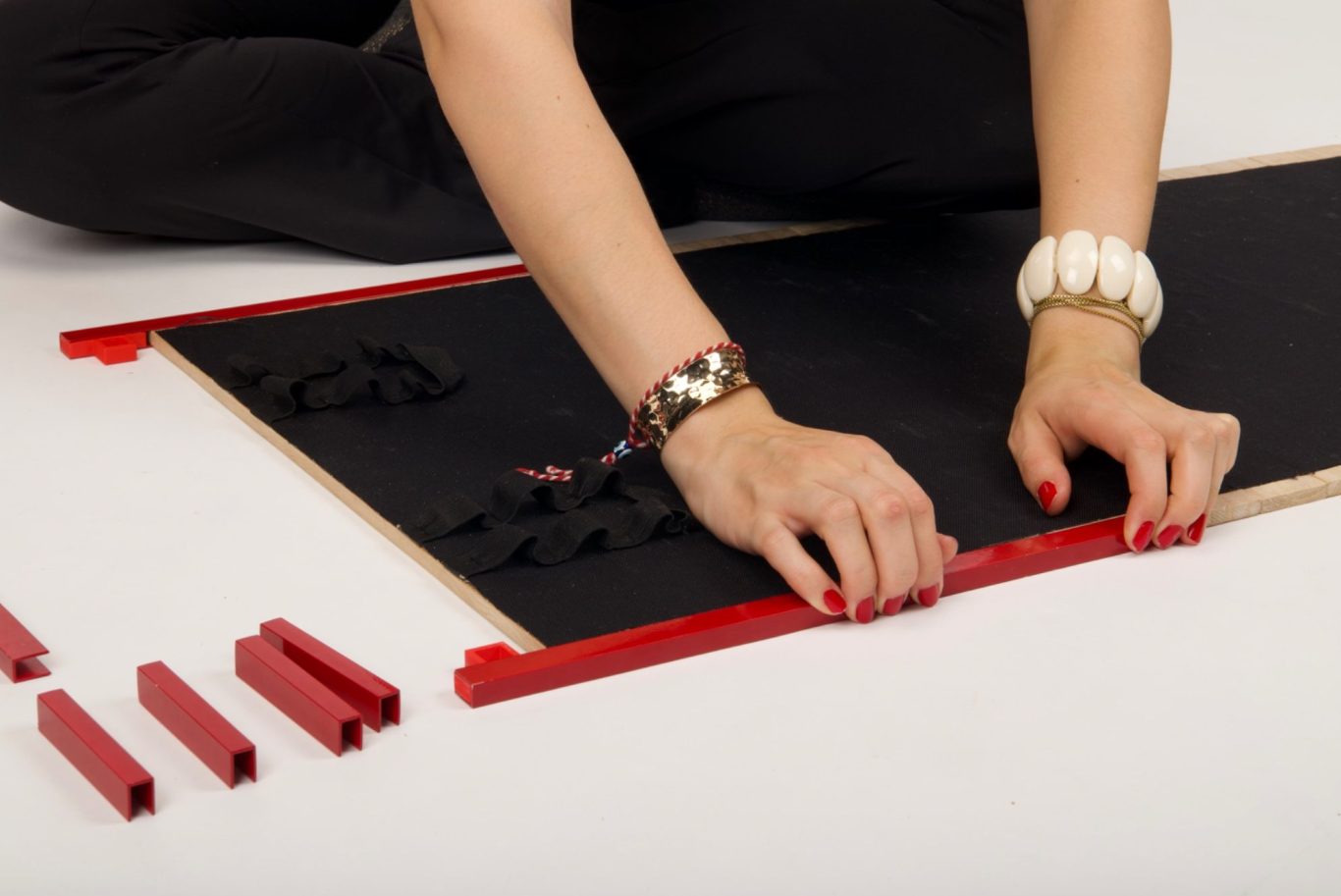
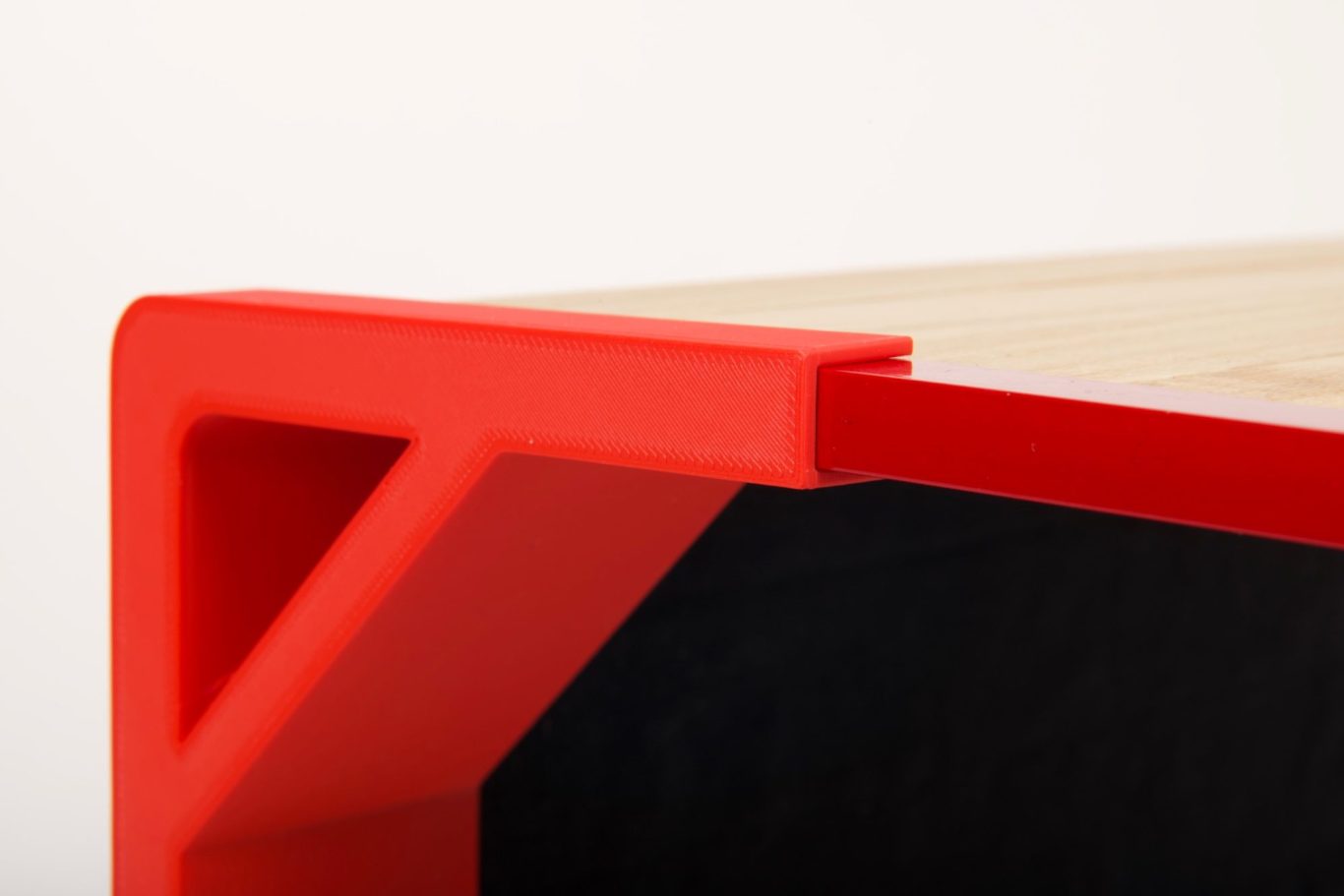
The system is complemented by 3D-printed PLA corner modules, precisely designed to fit the connection points. These stabilize the corners and keep the construction at right angles. Adjustable tension straps with carabiners prevent the table from twisting sideways.
On site, the picnic roll is simply unrolled. Powder-coated aluminum U-profiles are attached along the sides of the wooden tabletop to provide structural rigidity. Their varying lengths clearly indicate the order in which they should be installed.
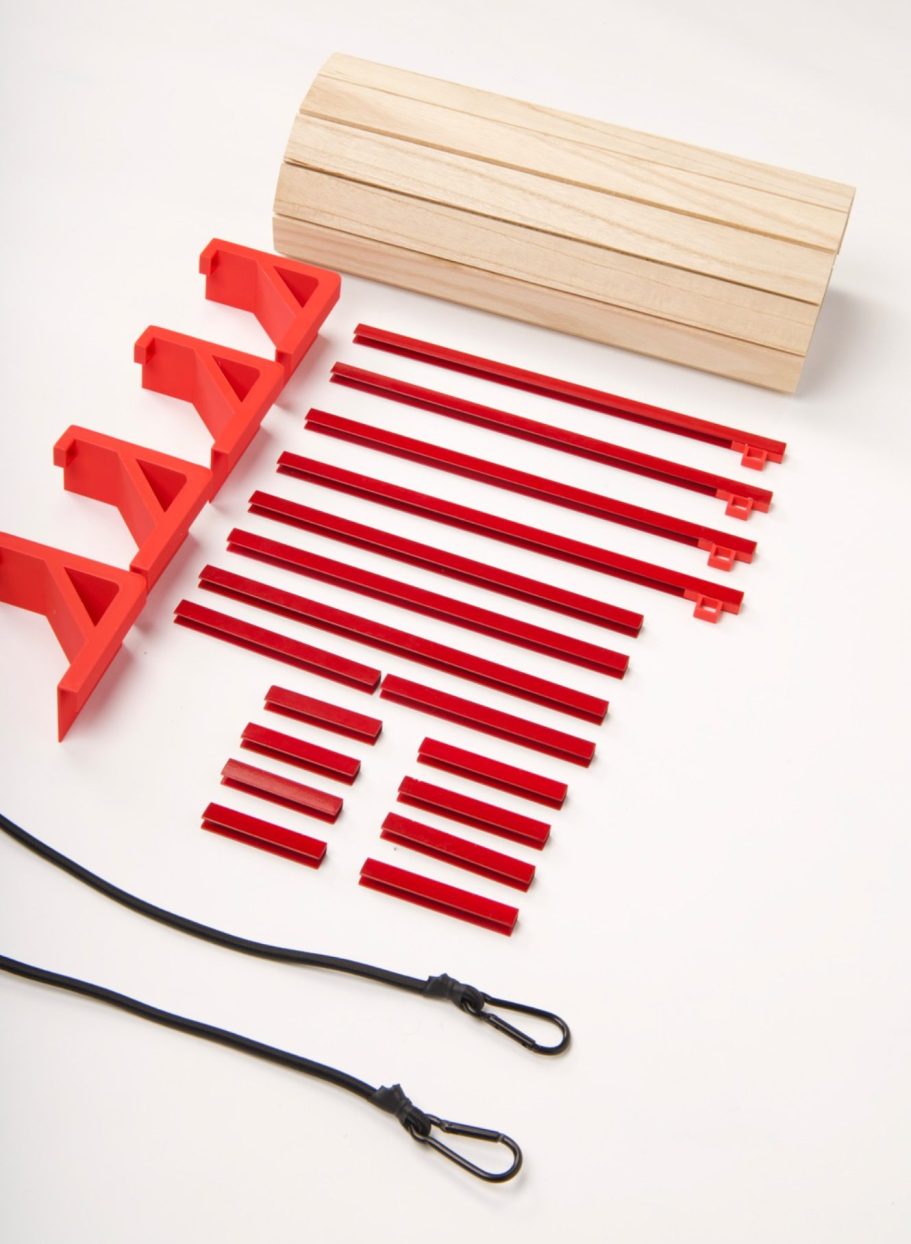
MODEL
The preliminary model consists of laser-cut MDF slats bonded together with Cordura fabric using contact adhesive.
3D-printed PLA side profiles provide additional reinforcement to the surface. The prototype revealed that corner brackets were necessary to reliably keep the table fixed at right angles.
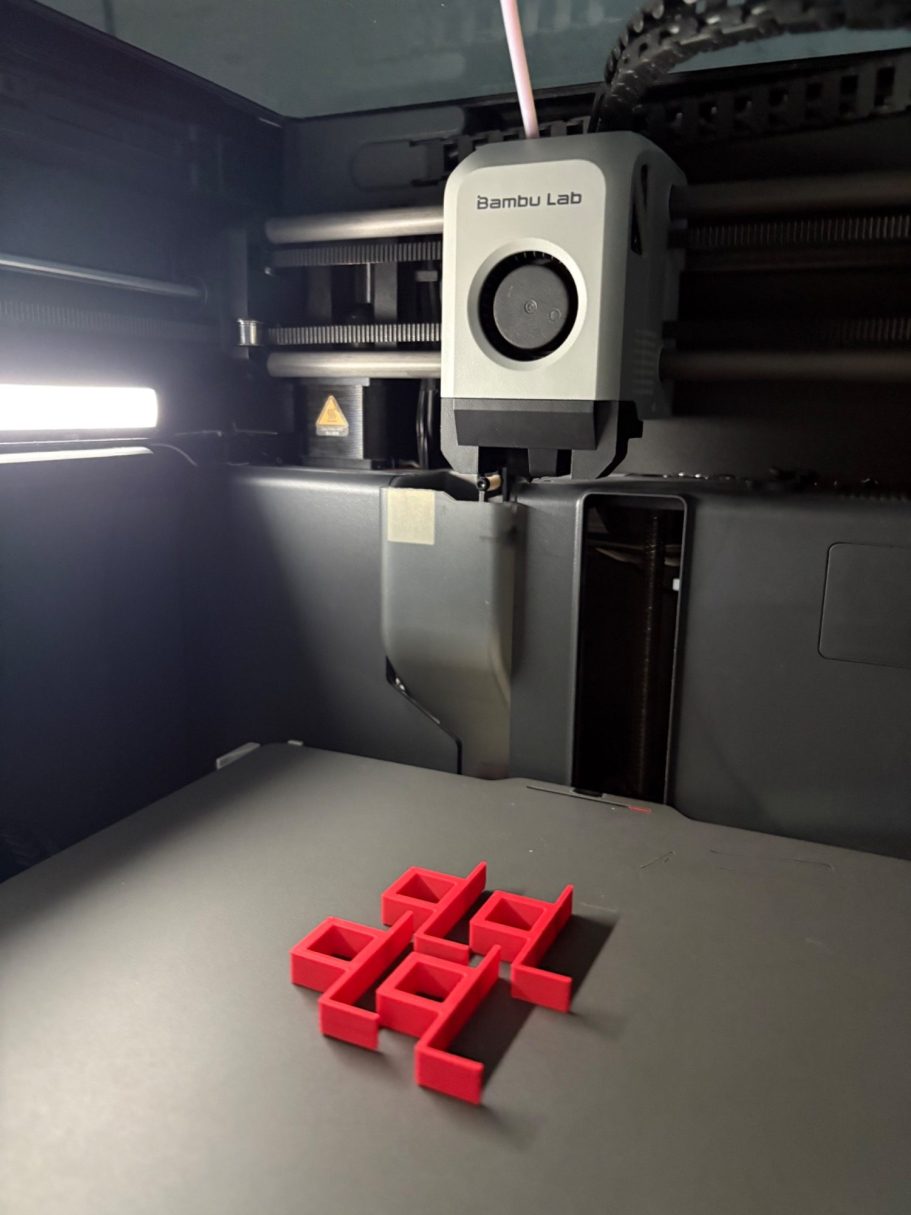
The corner components were 3D-printed from PLA to ensure a precise fit with the overall construction. 3D printing was the only manufacturing process that allowed the geometry to be adapted to the actual profile dimensions through several rapid design iterations.
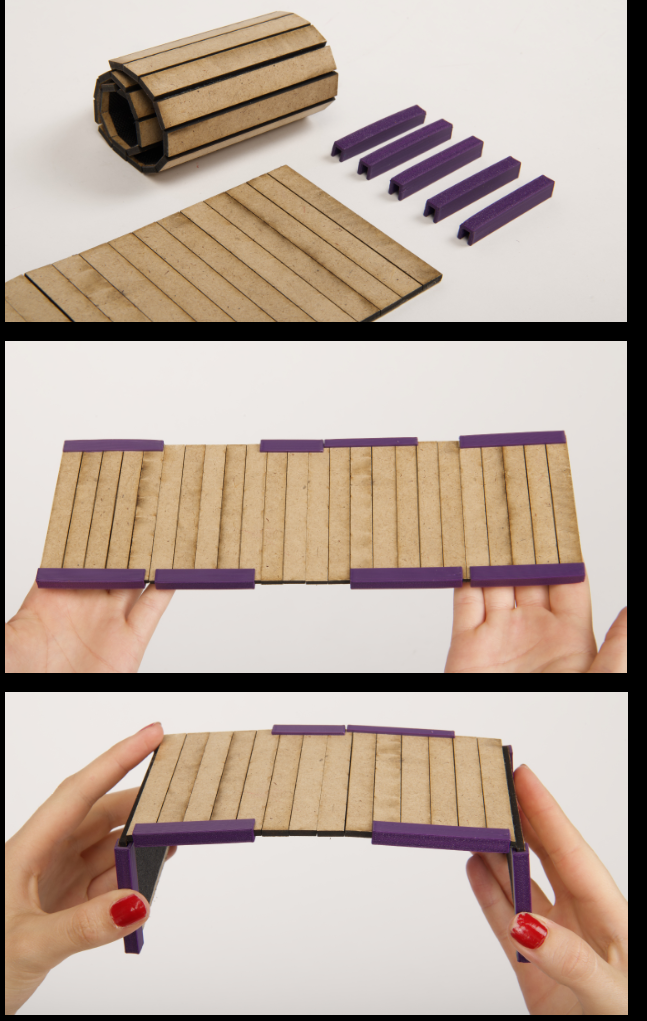
This creates a rollable surface that can be stored compactly while remaining stable enough to support a shared meal. The colored coating softens its technical appearance and creates a clear contrast with the light-colored wood.
PROTOTYP
The tabletop is made from Paulownia wood slats. Due to their low density, they are exceptionally lightweight while remaining strong and durable. The slats are bonded with contact adhesive to a flexible base made of robust, water-resistant Cordura fabric.
LEARNINGS
I set PALO up outdoors again and again, on my own, loading it in different ways. It held better than I expected, except in the middle.
Under a heavy load the surface bends and needs one more support from below. It has not been tested with a group of six.
05
TIVO
FURNITURE SERIES
04/2026 - 07/2026, Cooperation Project, Deutsche Werkstätten Hellerau,
Team: Rebecca Grosch and Annabell Völkel, my role: Concept, Design, Prototyp
INTRO
A semester cooperation with Deutsche Werkstätten Hellerau, framed as a study to design new furniture for the company. We began with its history, with Franz Ehrlich’s functional furniture as our reference. Part of my family once worked in production there.
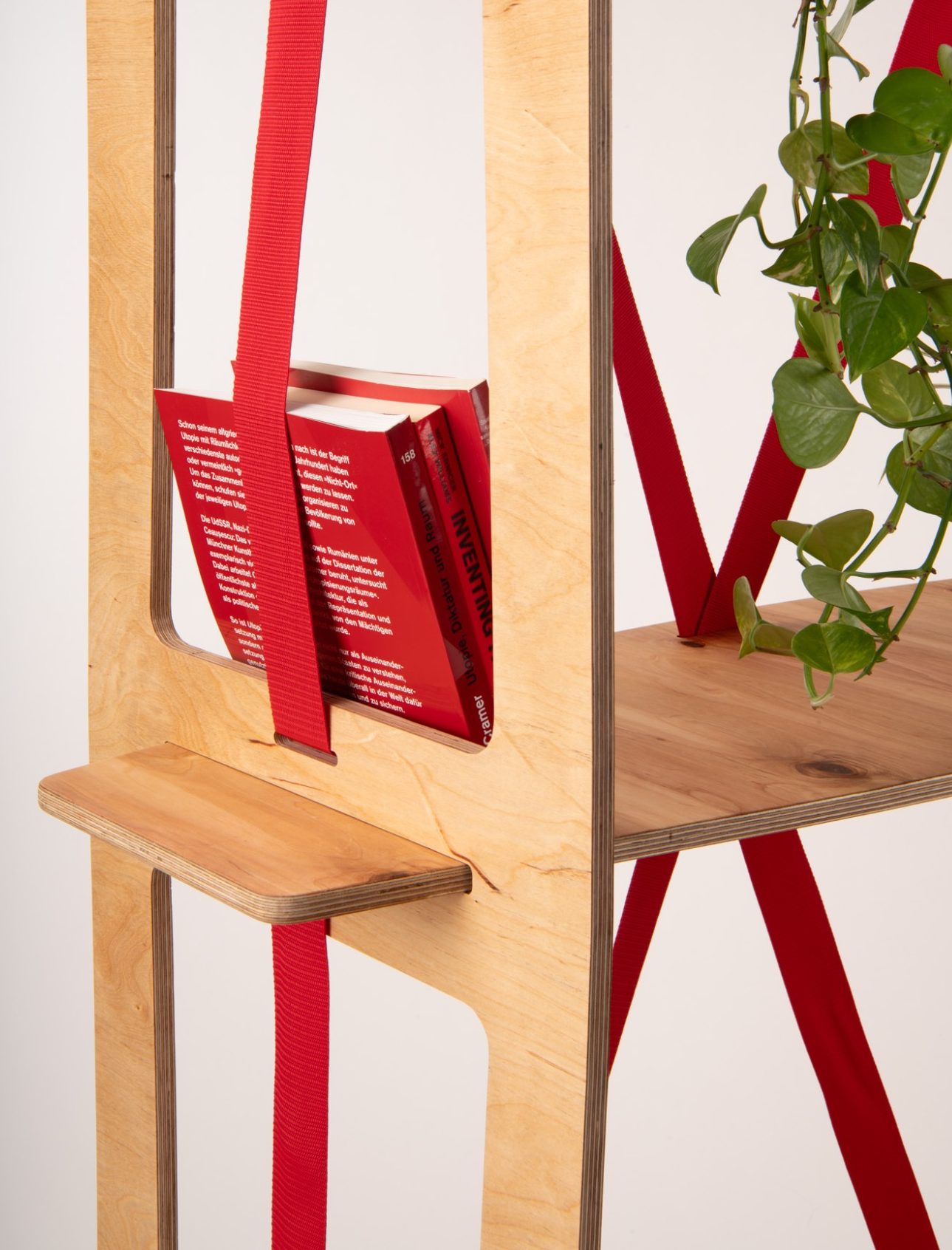
TIVO is built on detachable plug-in and tension joints. It can be assembled, taken apart and transported flat. The connections are left visible and became the defining feature.
MODEL
The stool can be assembled easily and without the need for tools. The two side panels and the two seat panels intuitively slot together. Their different widths ensure that the seat panels can only be assembled in one correct configuration.
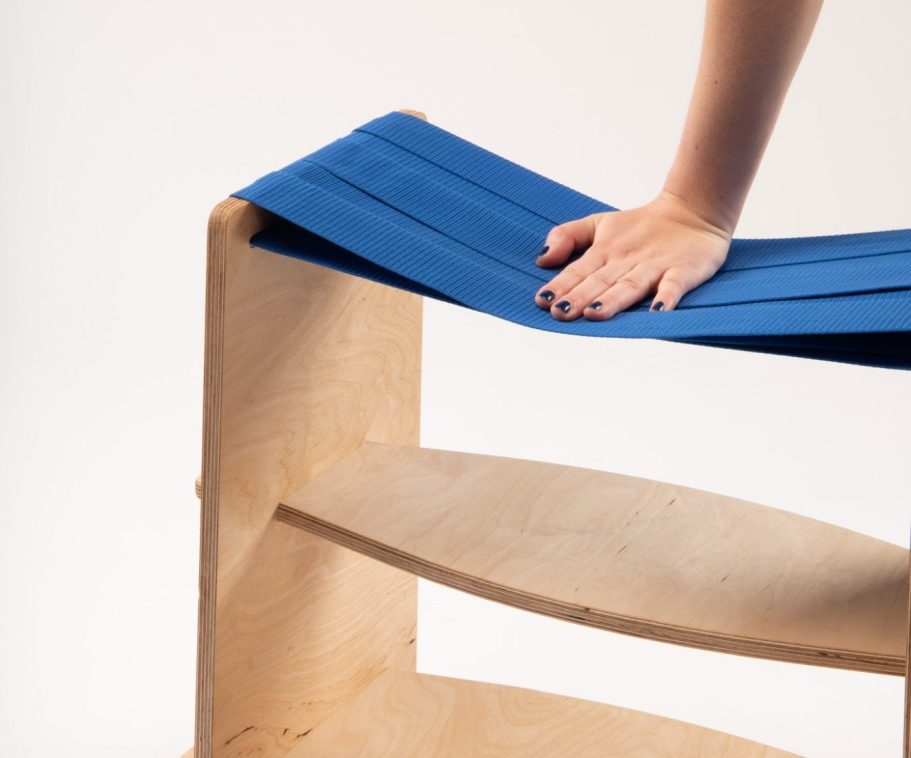
The strap is then threaded from underneath up along the side and woven several times through the upper slots, creating an additional textile seating surface. This not only improves seating comfort but also further stabilizes the construction.
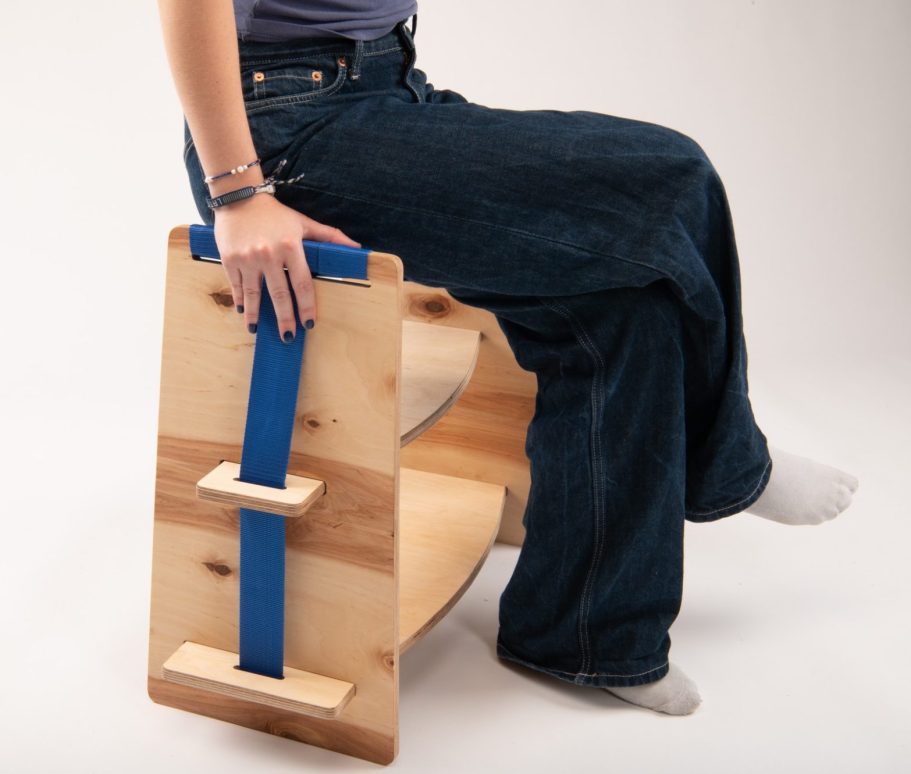
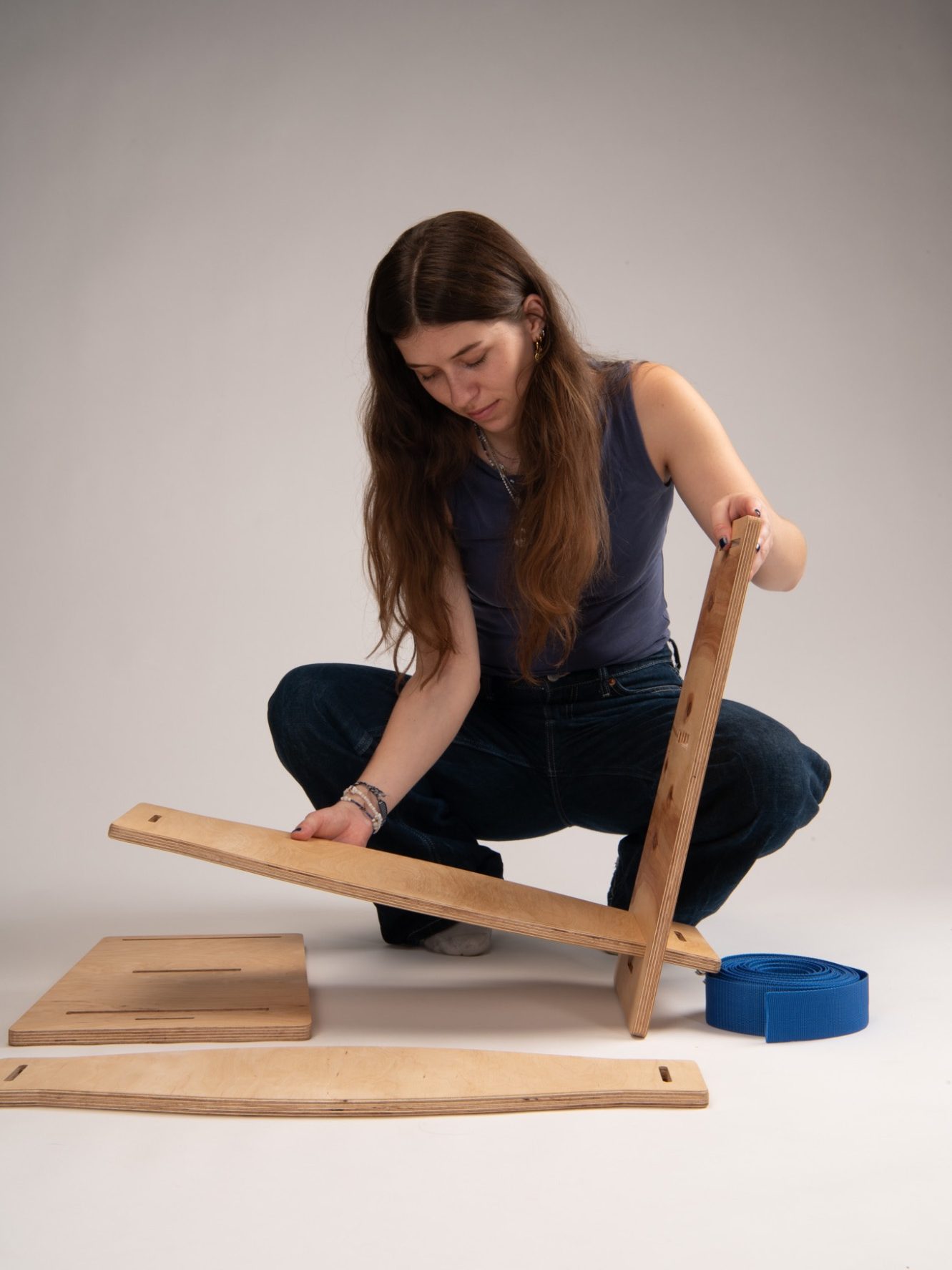
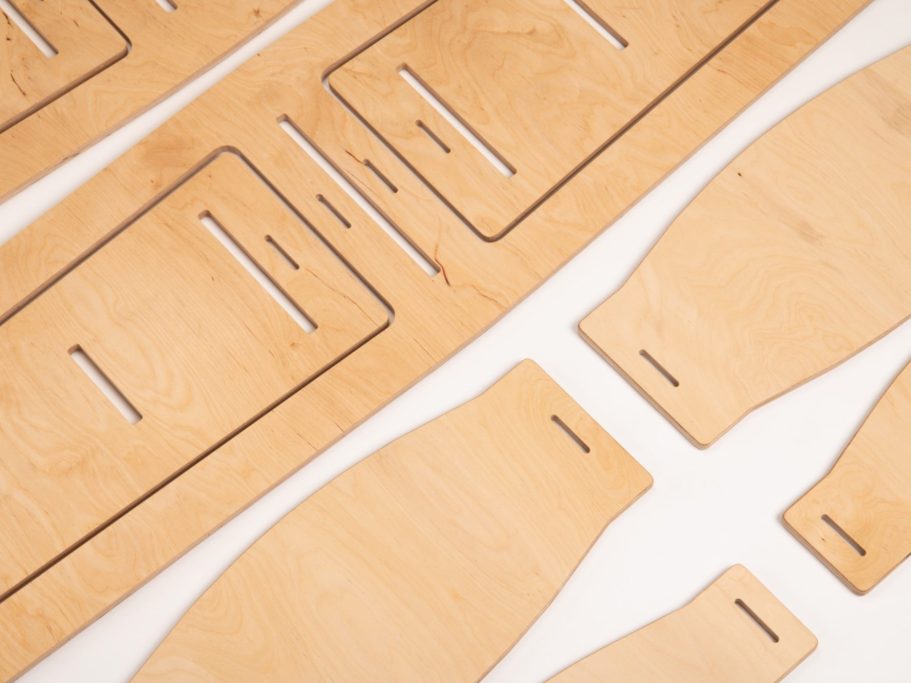
For the wooden components, we chose 15 mm birch plywood. The material is dimensionally stable, easy to CNC mill, and reveals its layered structure along the cut edges. These visible layers reinforce the constructive character of the design.
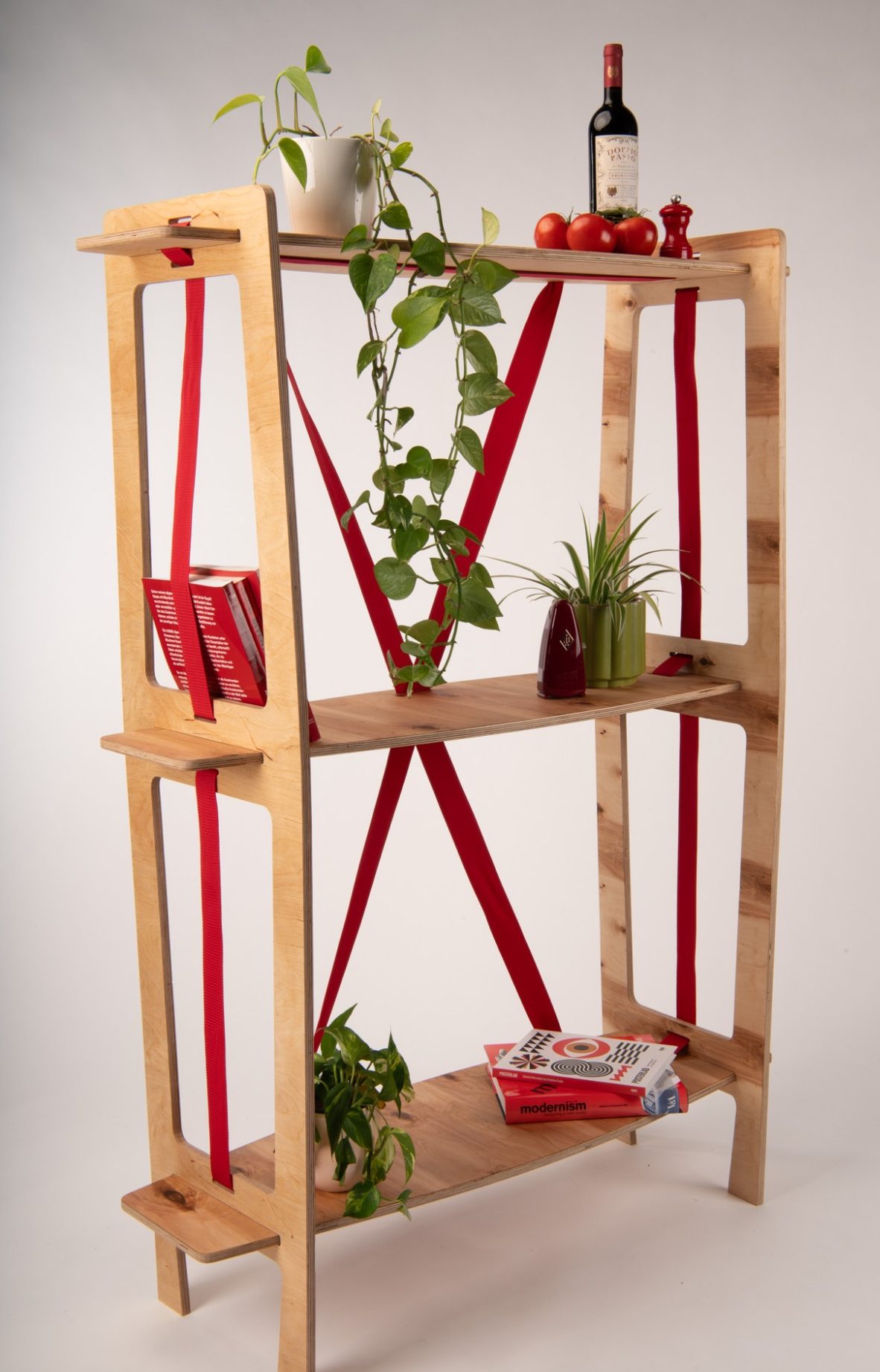
PRODUCTION
A key aspect of the design is its conscious approach to material use. The stool is made from the offcuts of the shelving side panels, making use of material that would otherwise go to waste. The detachable connections facilitate repair, adaptation, and reuse, extending the product’s lifespan while reducing material waste.
The system enables a variety of configurations and can be used as seating, storage, or shelving, depending on the user's needs. Thanks to its knock-down construction, TIVO is particularly well suited to changing living environments and temporary housing situations.
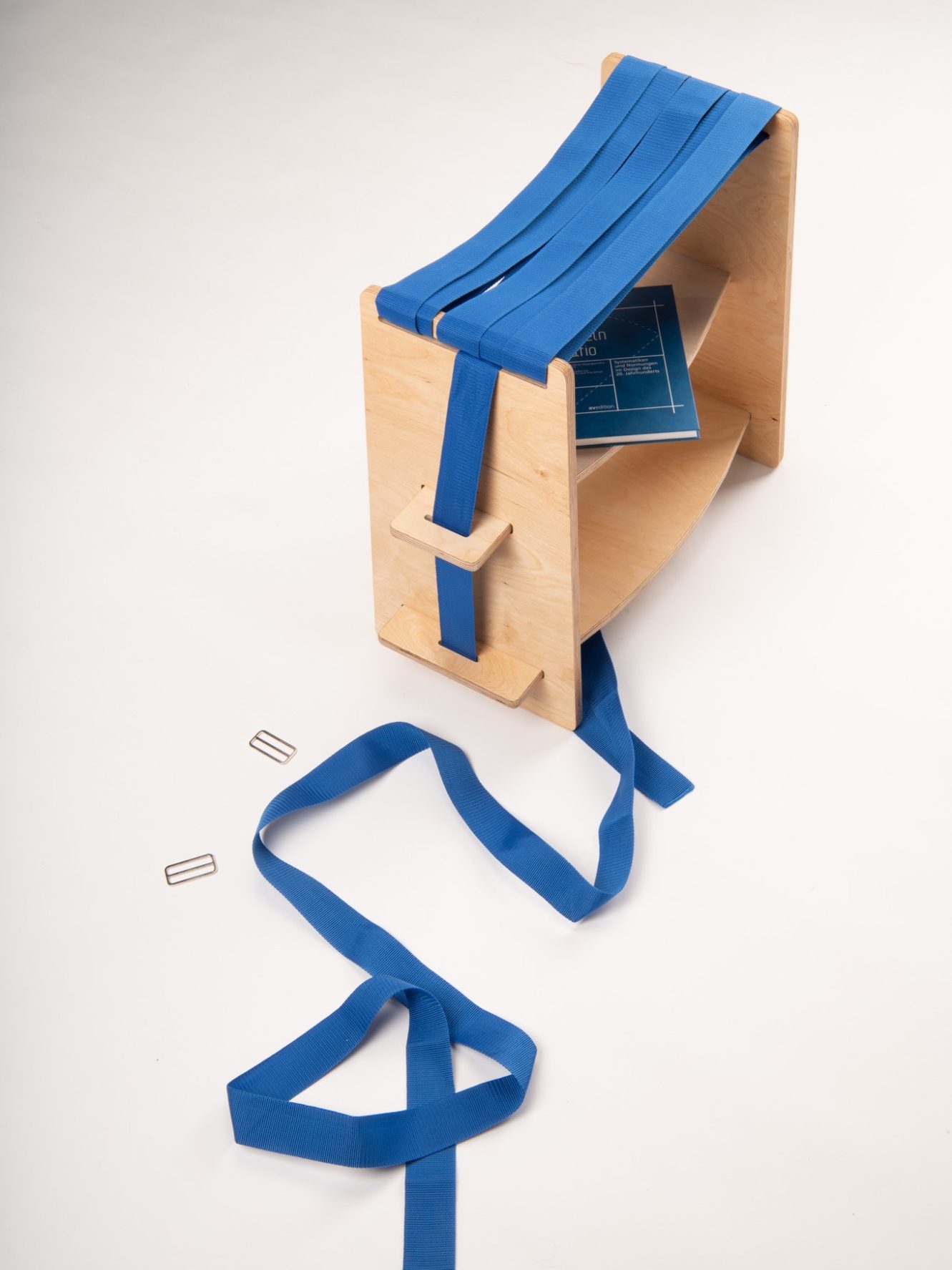
LEARNINGS
Stability comes from the straps. Next would be two bands instead of one in the shelf. One band around the outside and one diagonal, so the tension closes into a loop and slackens less over the distance. The base connection is still a ratchet. It is stable, but heavy and bulky.
We presented TIVO to Deutsche Werkstätten at their summer festival in August 2026.
06
BELAIR
MODULAR BALCONY SYSTEM
03/2025 - 07/2025, Solo Project
INTRO
My own balcony had turned into unused space. A rented balcony comes with one rule: change nothing about the building.
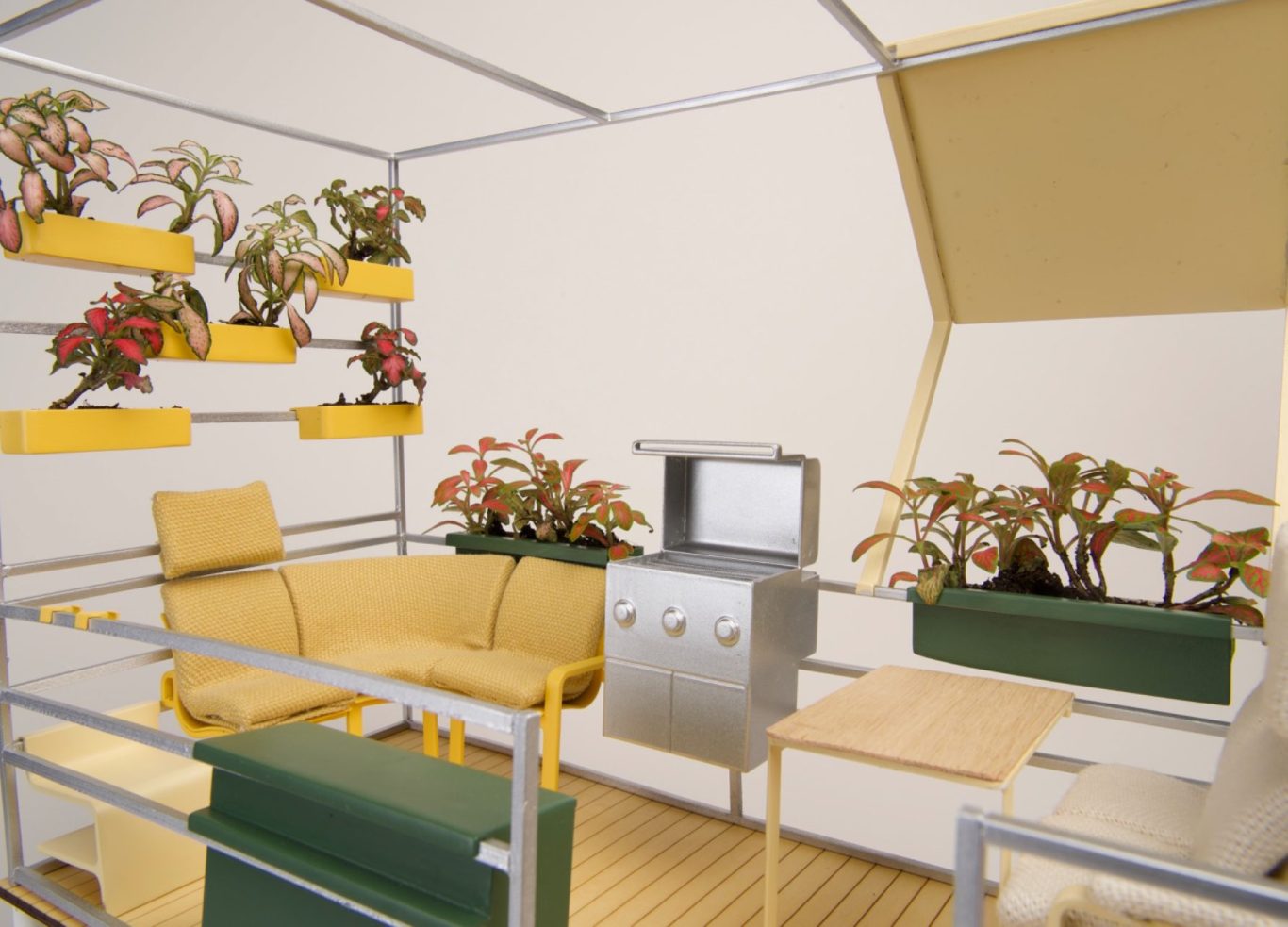
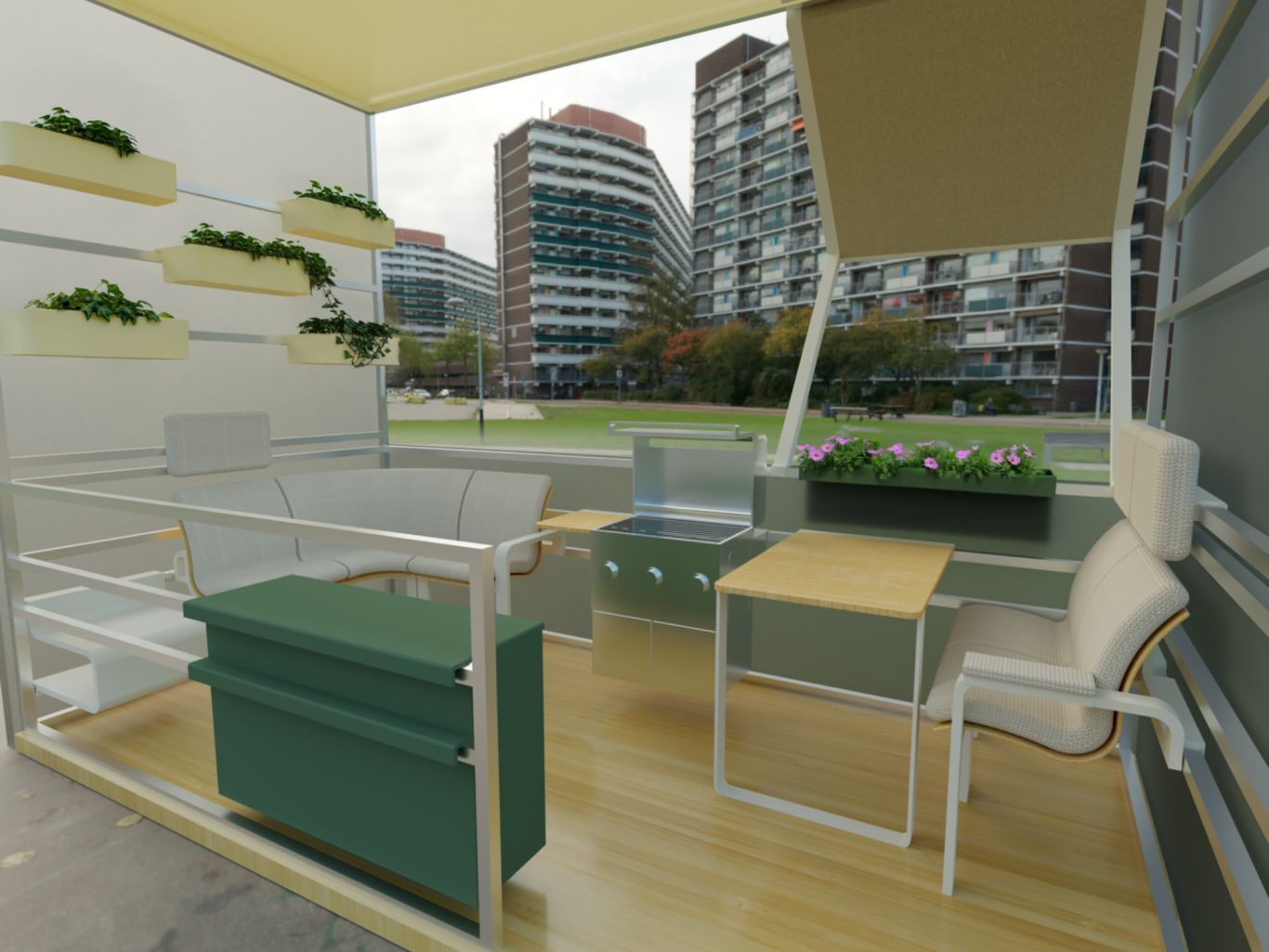
BelAir is an aluminium rail frame that assembles without drilling, with modules (seating, tables, grill, laundry line, planters, a solar parasol) that attach anywhere along it. One frame, adjustable in length, and ten different modules that attach anywhere on it.
Seat and table heights adjust. It is made for people who move often, and who can no longer push furniture around, and so stop using the balcony at all.
MODEL
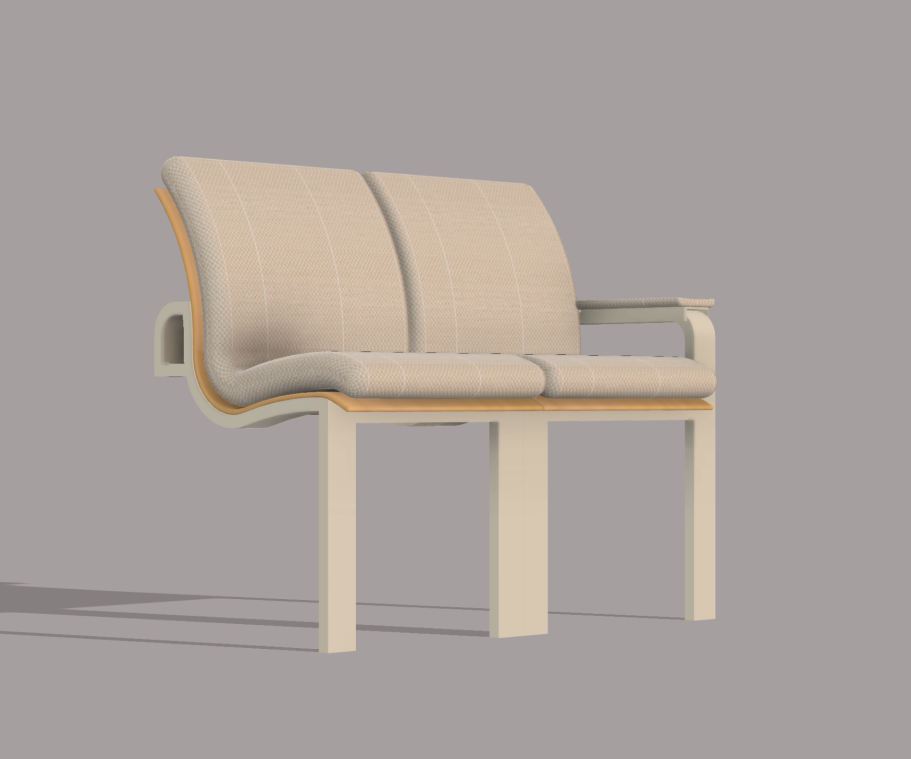
The furniture system includes chairs, two types of benches, a table and standing table, plant modules, sidetables, a sideboard for storage space and a grill module.
The scaffold is adjustable in length, and the furniture is simply connected to it. The modules can be combined individually. Seat and table heights can be adjusted to fit different needs and users.
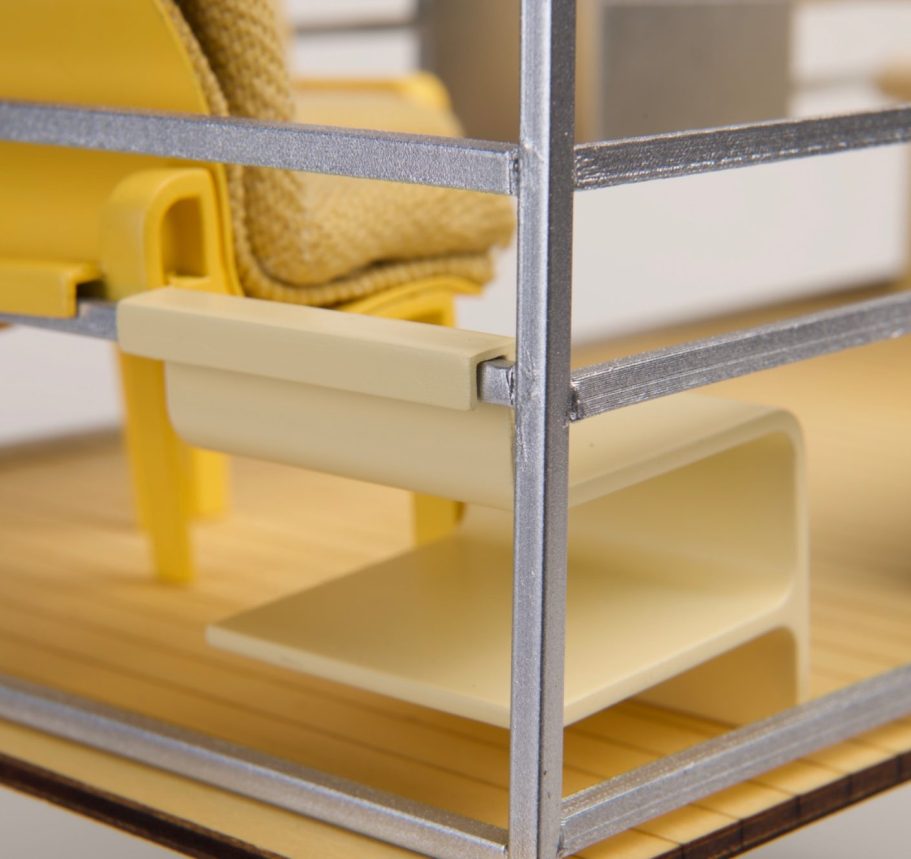
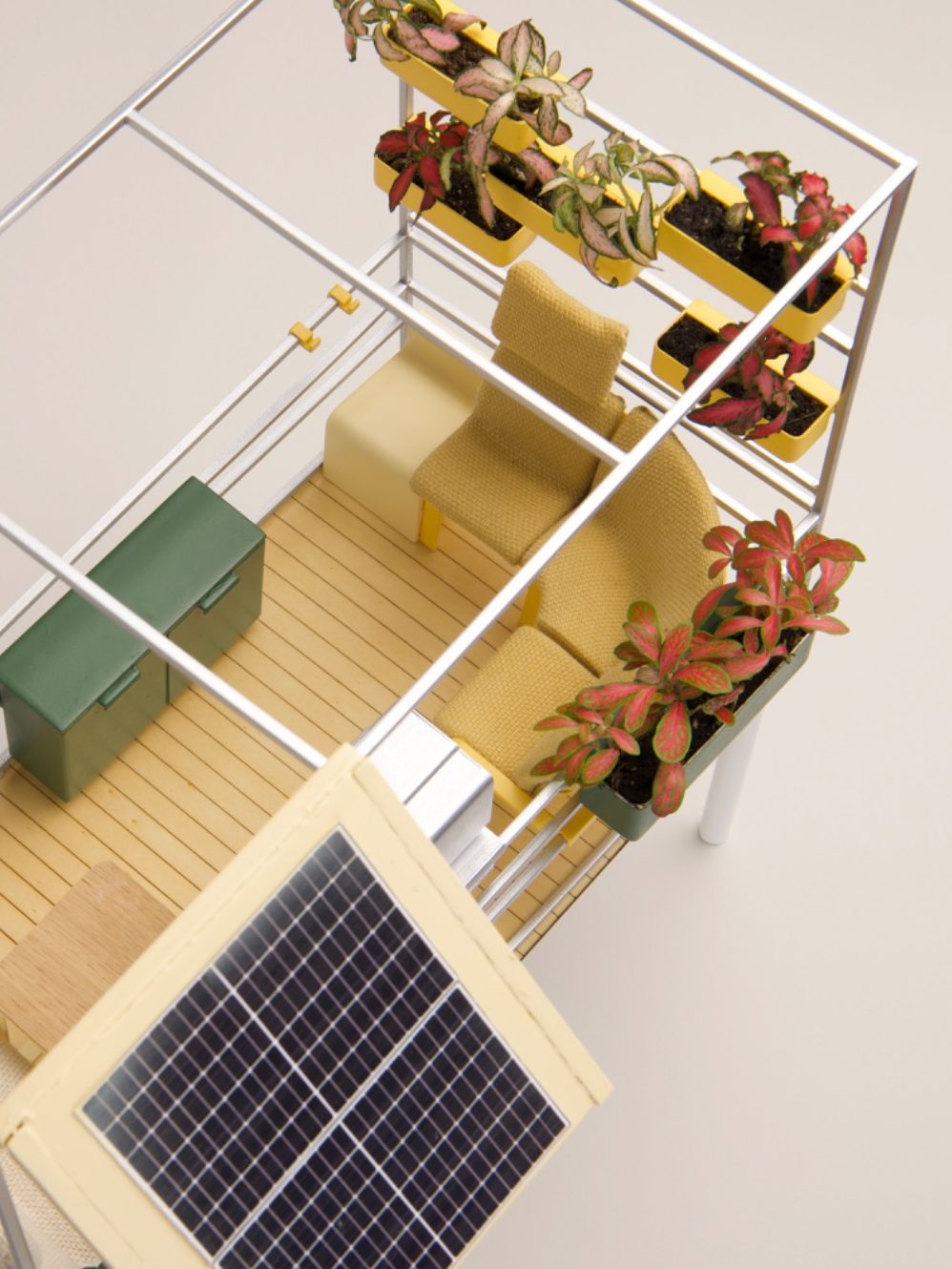
The 3D print was sanded in three stages with fine grit sandpaper. Afterwards it got spray painted twice. The floor was laser-cut and engraved with a parquet pattern.
PROCESS
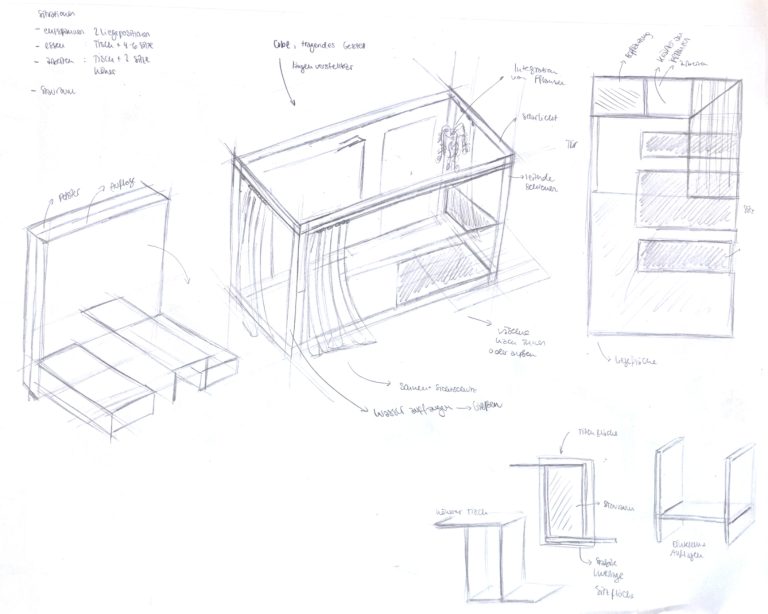
1. IDEATION
A user survey and an evolving design process transformed the concept from a strict, geometric structure into a warmer, more comfortable design.
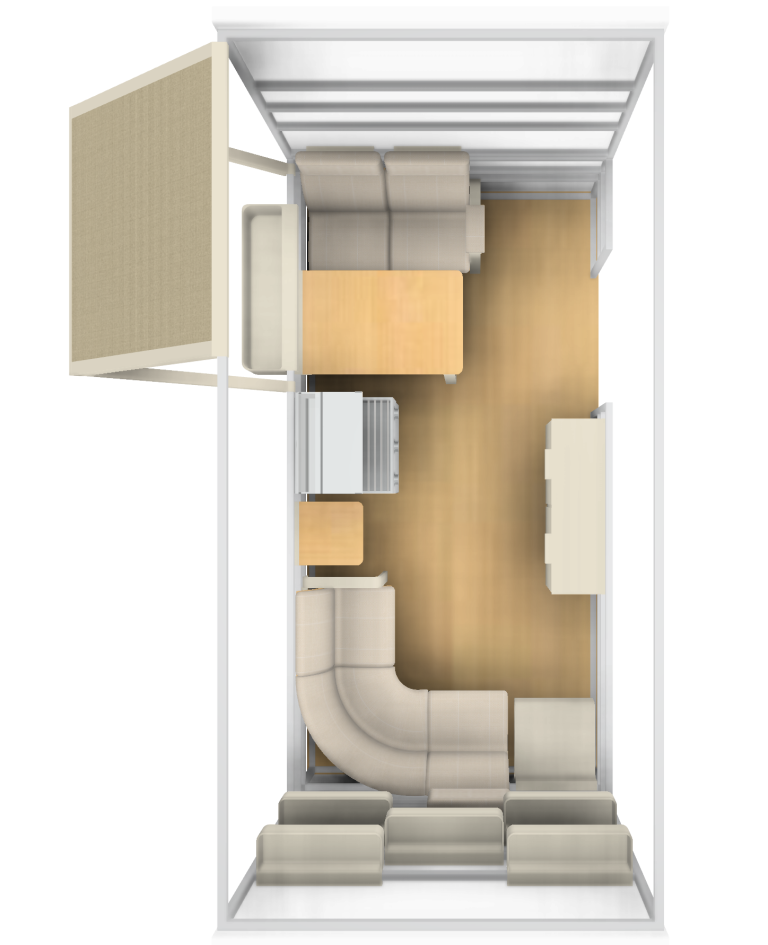
2. CAD
The 3D model was continuously refined to test proportions. It allowed to explore material qualities, and ensure system is functional and inviting in its final form.
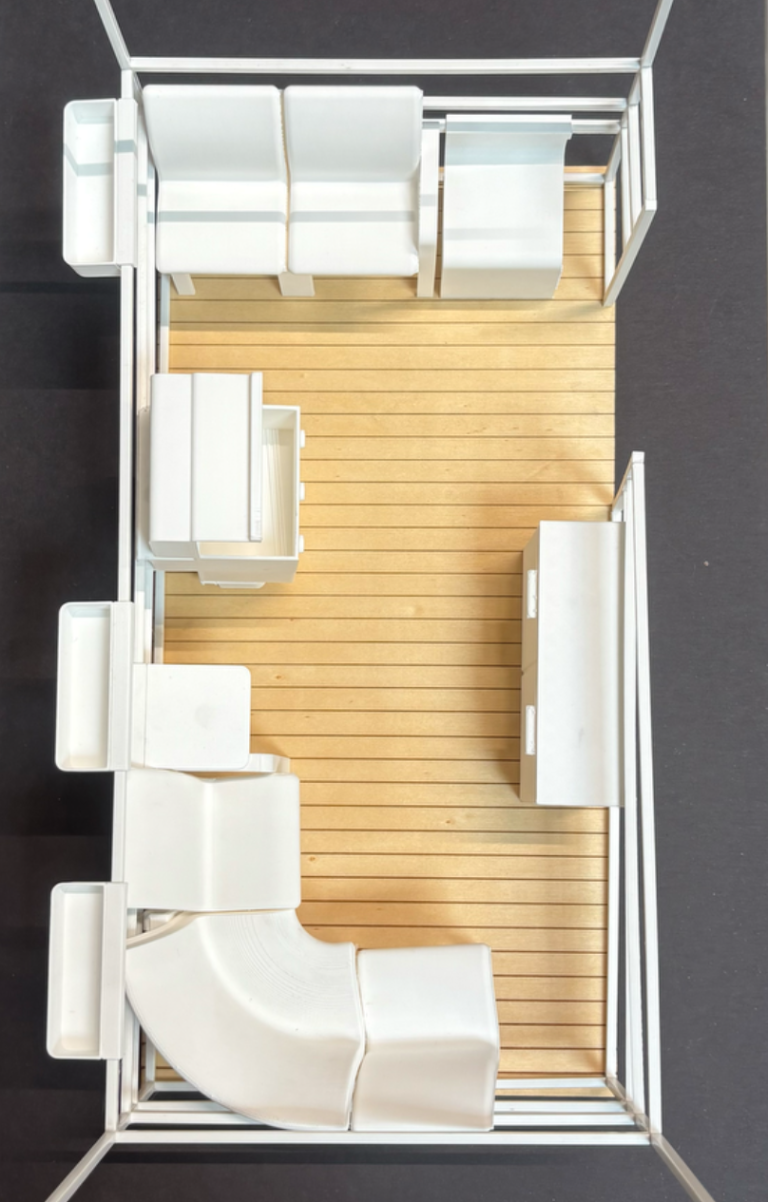
3. MODEL
The Prototype was 3D printed in a 1:10 scale. It shows how much volume each element occupies and demonstrates the sliding mechanism.
MATERIALS
The system is made from durable, weather-resistant materials like recycled aluminum and polywood. All parts are designed to last and can be repaired if needed. The fabric elements are corrosion-resistant, not glued, and can be easily removed and washed.
This makes the system long-lasting, easy to maintain, and environmentally friendly.
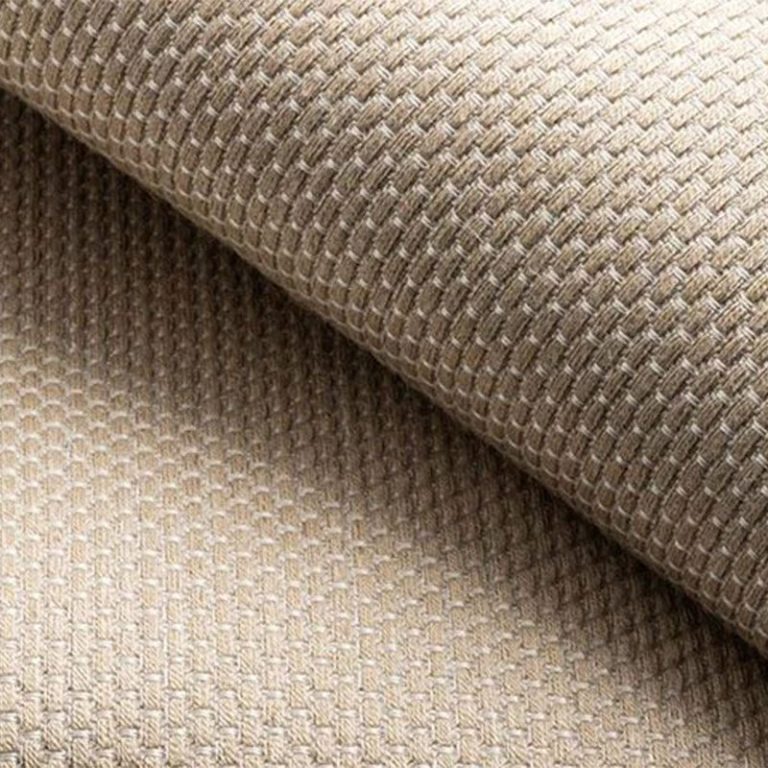
Sunbrella
Sunbrella fabrics are made from sun-dyed acrylic fibers. They can easily withstand sun, rain and dirt without fading or ageing quickly. Their durability means less frequent replacement.
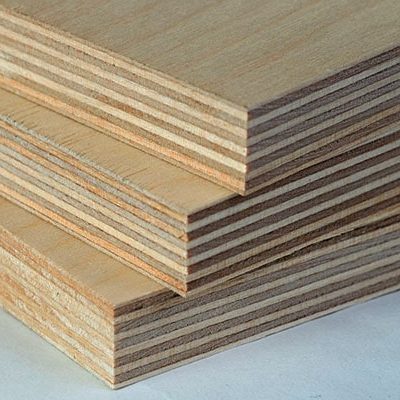
Polywood
Polywood is made from recycled plastic. It resists moisture, insects, and mildew, and will not crack or fade like natural wood. It requires no maintenance and is easy to clean.
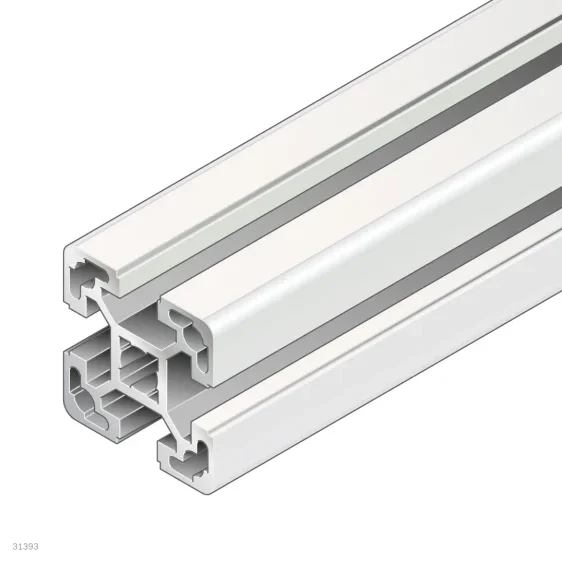
Aluminium
Recycled Aluminium ensures a light and very stable construction. It is corrosion-resistant and will not rust. It is easy to assemble with standard connectors.
LEARNINGS
I assumed a rail system would simplify the design. It did the opposite. A strict 90-degree grid organises components well and produces furniture nobody wants to sit on.
I softened everything the frame did not dictate: rounded edges, fuller volumes, warmer surfaces. A survey on which modules people actually need shaped the set.
07
ONCE
MEDICAL DOCUMENTATION
10/2024 - 02/2025, Innovation Project, YETI
Team Project: Jonathan Luzius (Business Administration), Jeremy Wosniczak (Business Informatics), Fahim S. Anoy(Nanoelectronics), and
Annabell Völkel (Product Design), my role: Design Thinking, Prototyping, Branding
INTRO
ONCE was my first of three semesters in YETI, a Dresden entrepreneurship scholarship of eighteen months including three interdisciplinary teams for a full semester each. What I took from it is one habit: ask the actual user first, then follow up on the answer instead of accepting it.
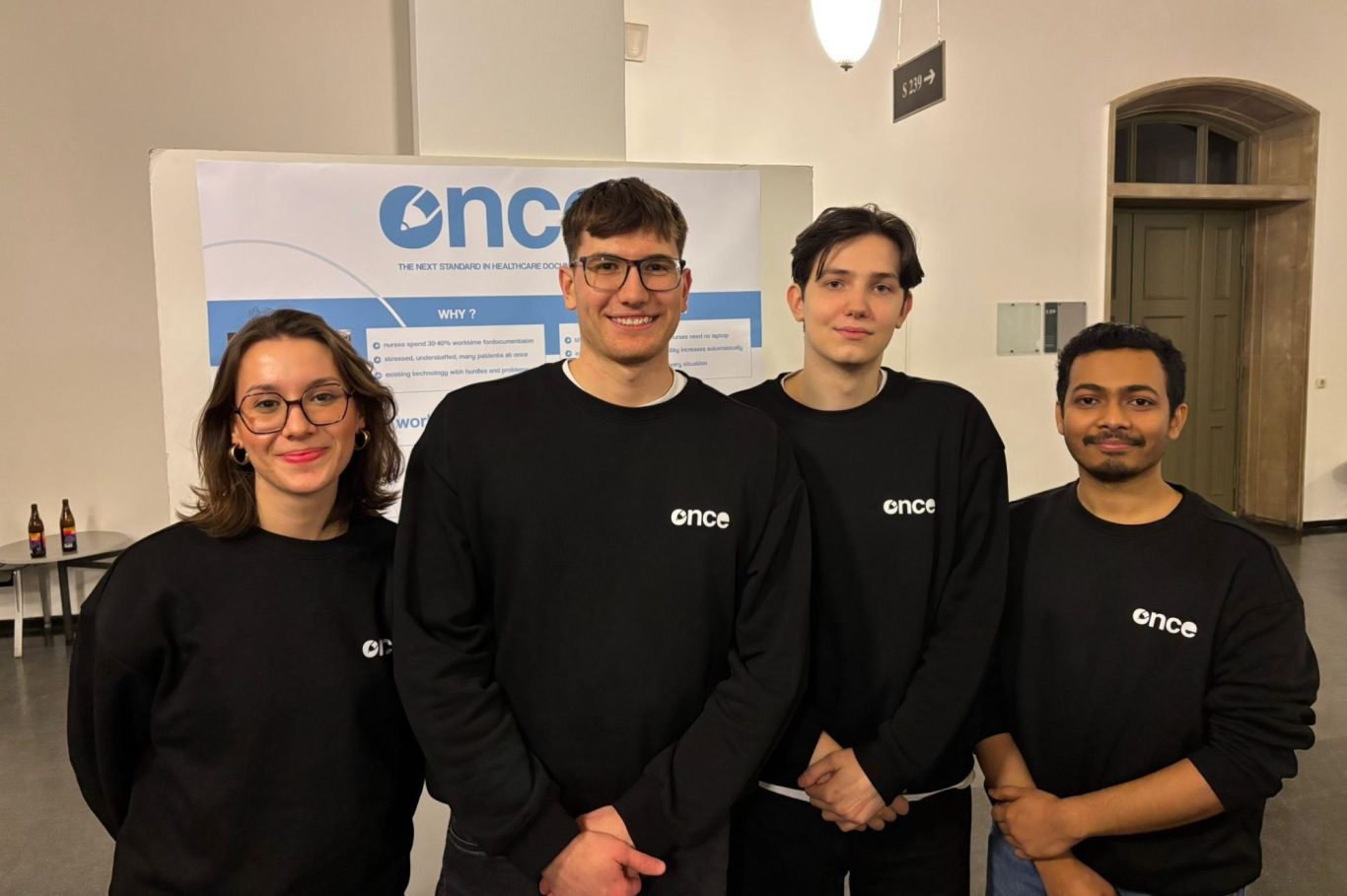
Annabell V.,Jonathan Luzius, Jeremy Wosniczak, Fahim Anoy
We started by talking to nurses. In our interviews, nurses estimated that they spend up to half a shift writing the same information down twice. ONCE digitises handwritten notes at the point of care and files them automatically.
MY ROLE
Our team was combining technical expertise and creative strategy to develop a forward-thinking solution. I ran the user research: 20 interviews with local hospitals before a single sketch. From those I mapped the opportunity areas, then built the brand and the working prototype. The direction never came in one moment. Every interview sharpened the next.
08
ELEVAIT
Access rights for construction
03/2025 - 09/2025, Industry Project with elevait GmbH, Dresden,
YETI Team: Luca Finger (Civil Engineering), Justin Biegel (Business), Georg Krause (Psychology), Annabell Völkel (Product Design), Floris Anders (Industrial Engineering)
my role: Research, Concept, Interface
INTRO
In my second semester, YETI paired us with elevait, who brought the problem. elevait digitises construction documentation, but who may open which drawing is still decided in spreadsheets.
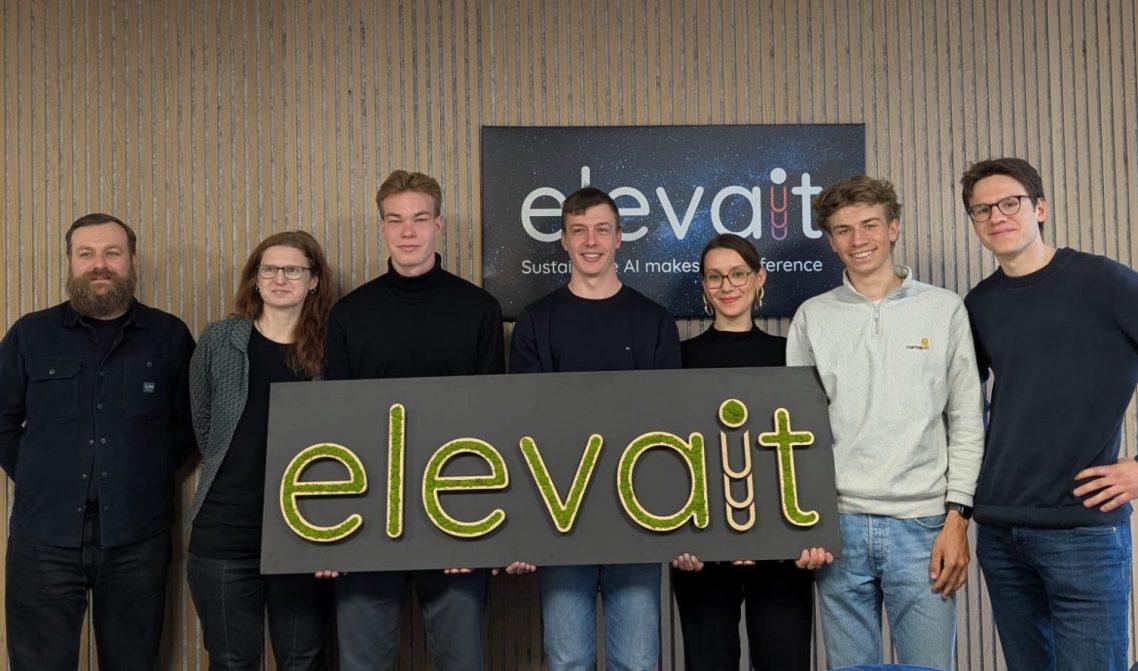
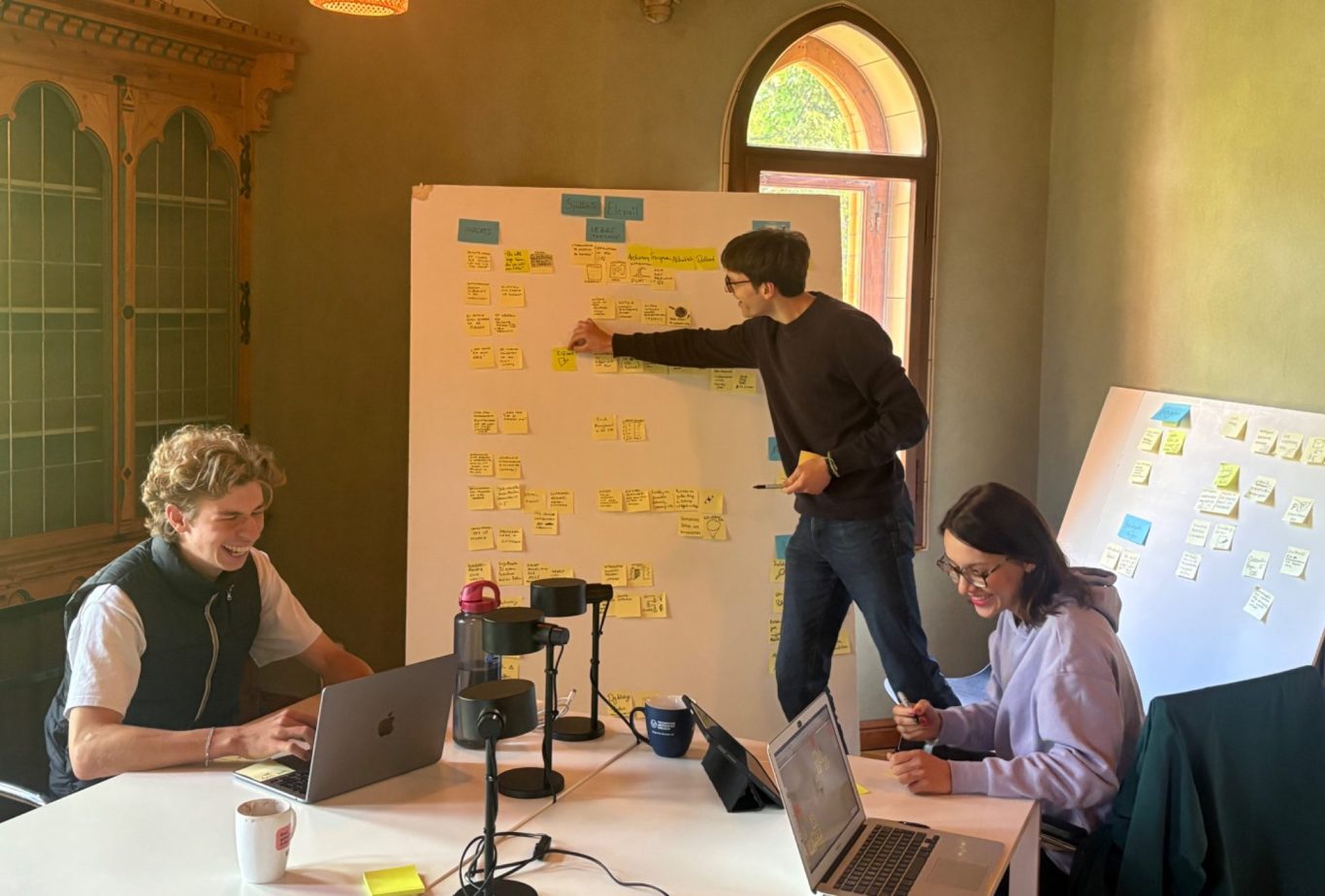
We interviewed 30 people across the industry (Deutsche Bahn, the City of Dresden, architects, engineers) and found project managers with access to files they should never have opened. The interviews got me far enough to design something that really helps the people who use it.
SOLUTION
Our five disciplines worked remarkably well together. We built a role-based permission interface. You choose the role, the system grants what that role needs to see and nothing else. The work is confidential and is not shown here.
08
MODERN
FAIRYTALES
CRITICAL STORYTELLING

“LITTLE RED RIDING HOOD”
The way to her grandma through the woods looks now
different.
INTRO
This project should tell a story in seven images. I told seven fairy tales as a cultural heritage that shape childhood memories, convey moral lessons, and inspire imagination.
They are restaged around modern societal issues through a child’s perspective. Each frame is seen without context, so it has to land at a glance. Four are shown here.
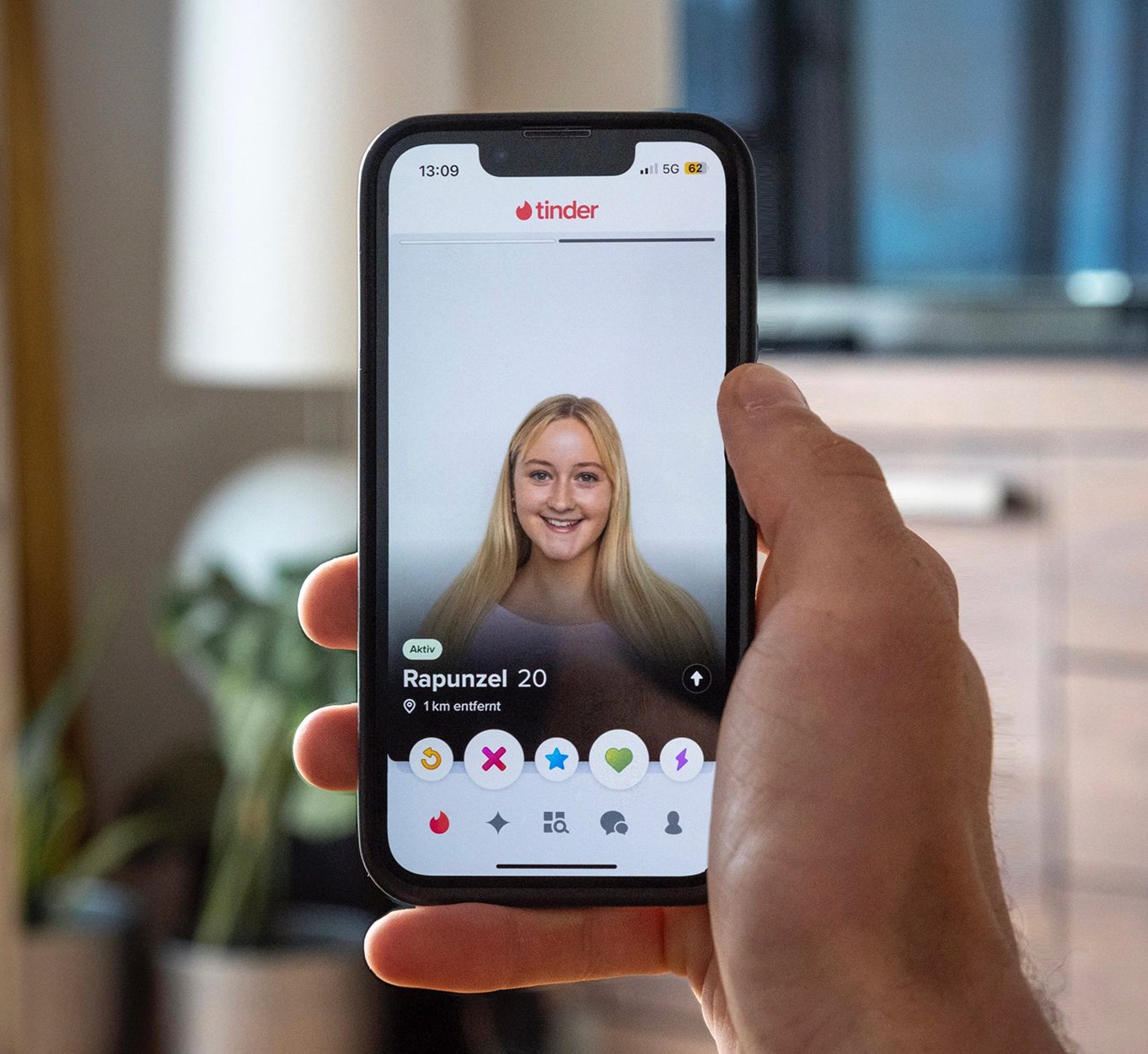
" TANGELED"
is about a girl who is held captive in a tower by a sorceress. The only way in is to climb up the tower by her long hair. A prince finds her and the two fall in love. Today, Rapunzel no longer has to wait for a prince.
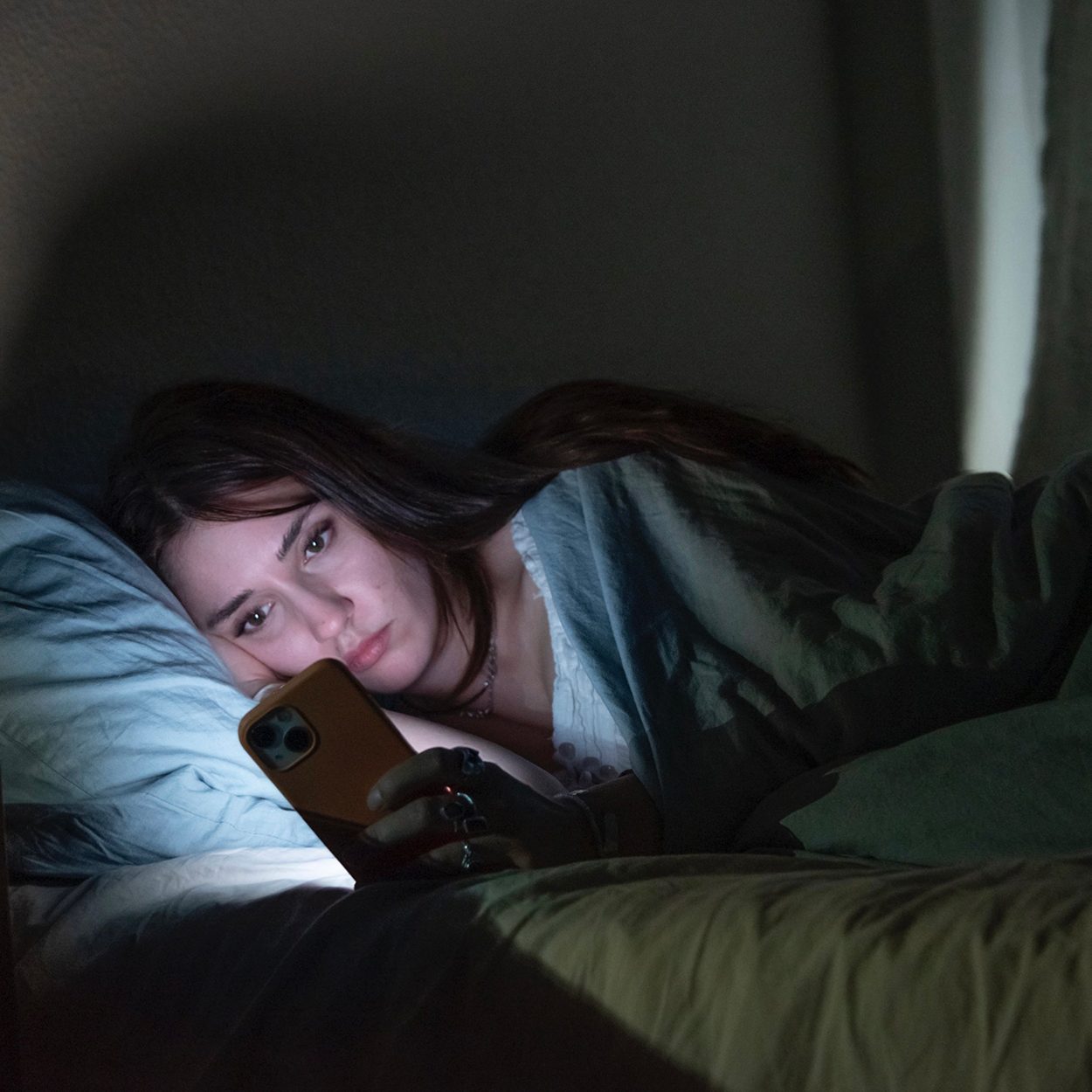
“SLEEPING BEAUTY ”
is about a princess cursed to sleep for 100 years until a prince’s kiss awakens her. Today, no witch is needed to stay in bed all day.
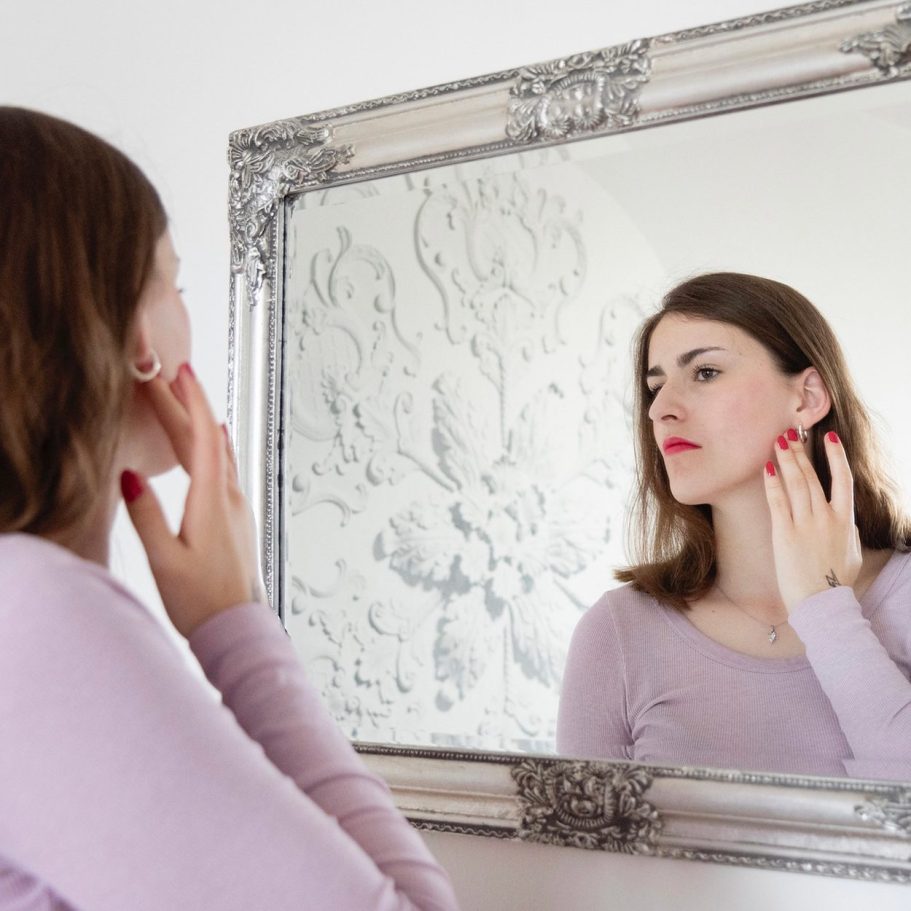
“SNOW WHITE”
is about a princess whose jealous step-mother tries to kill her because she takes away the title of most beautiful person. Today, Snow White is no longer even sure whether she is beautiful enough.
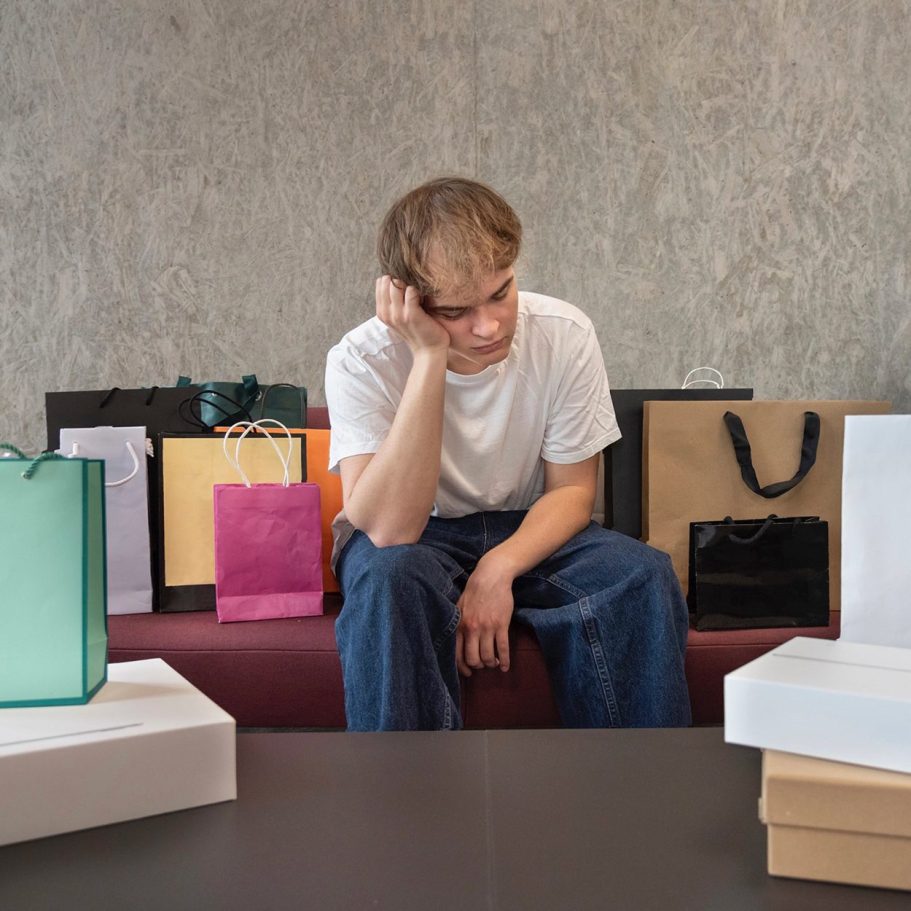
" HANS IN LUCK"
is about a young man who receives a gold nugget and repeatedly trades his possessions until he has nothing left. He is completely happy because he has freed himself from his burdens. Today, we want contentment through material wealth.
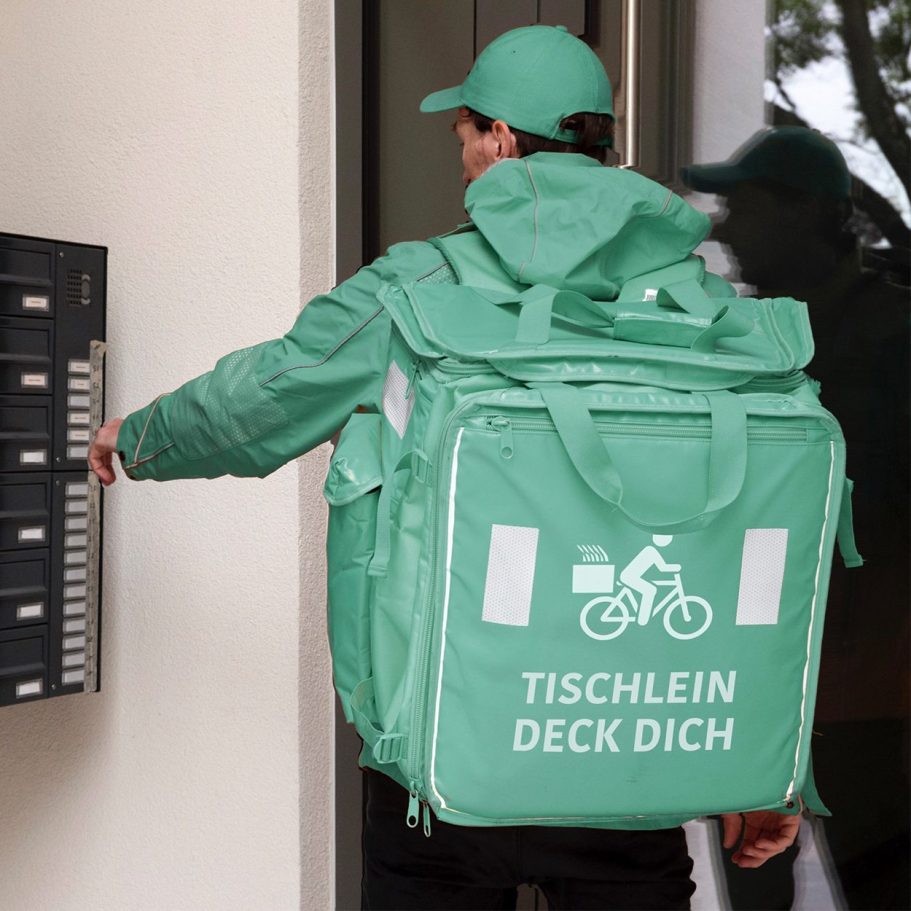
“THE WISHING TABLE ”
It tells the story of a table that sets itself with food. Nowadays you don’t have to make the table set itself either.
09
KITSCH
MEDIA CRITIC
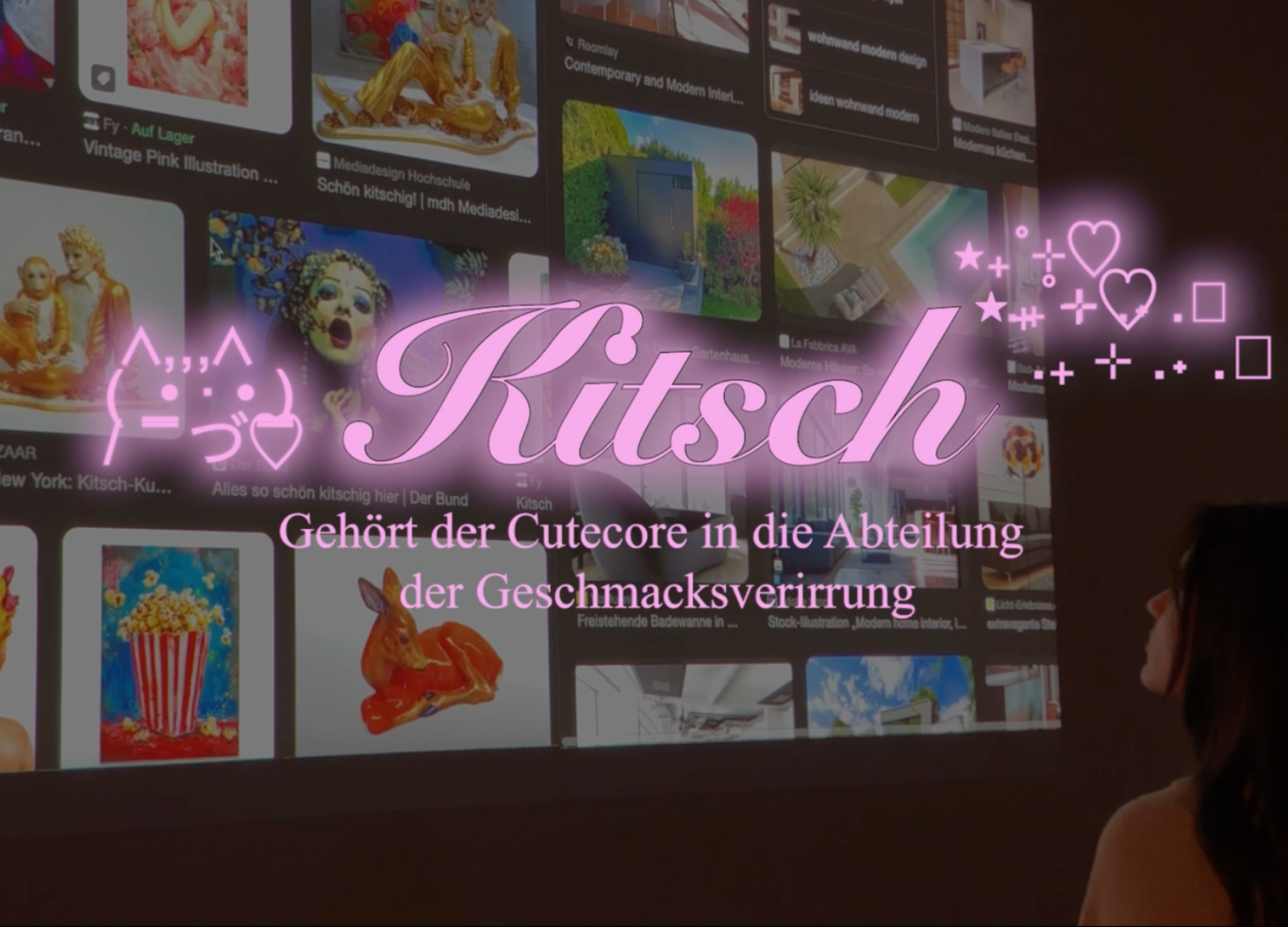
VIDEO ESSAY
The Aesthetics of Exaggeration in Kawaii Culture
This video essay explores the ambivalent role of “kawaii” as it has grown from a cute, exaggerated style into a broader cultural phenomenon. It looks at how digital culture shapes its influence on fashion, architecture, and product design, and how these online aesthetics enter the physical world.
By combining visual examples with theoretical perspectives, the essay reflects on what kawaii reveals about global, digital culture. It shows how it challenges our ideas of taste and kitsch today.
EXPERIENCES
If you would like to learn more about my experience, education, and skills, you can find a complete overview here.